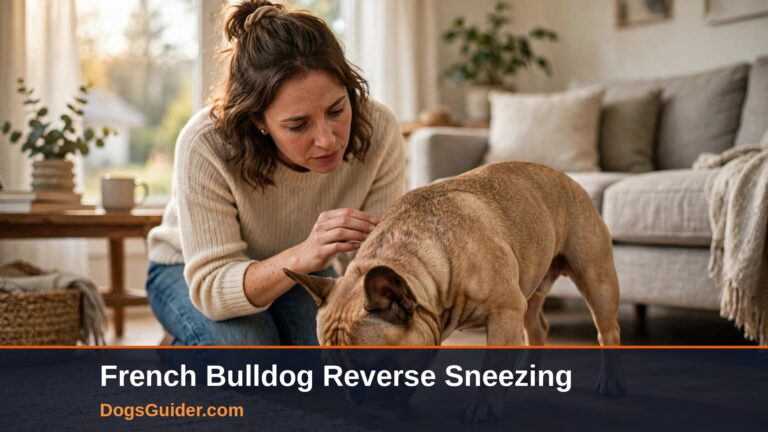
Are French Bulldogs Hypoallergenic? No, and the Short Coat Is Why People Get Fooled

Introduction
The honest answer is more useful than a flat “no,” though, because the details explain what actually triggers a reaction, why even experts describe Frenchie shedding differently, and what realistically helps if you love the breed but live with allergies.
Are French Bulldogs Hypoallergenic? The Direct Answer

No. French Bulldogs aren’t considered hypoallergenic, and they aren’t included on the American Kennel Club’s list of hypoallergenic breeds.
They produce dander, saliva, and shed hair, and all of these can carry allergens into your home. Just as importantly, no dog breed is 100% hypoallergenic, a point made even by pet-food brand breed guides, which note that hairless breeds can still trigger allergies.
What Actually Triggers Dog Allergies
This is the key idea most articles skip. People usually blame fur, but the real triggers are proteins found in a dog’s dander (dead skin flakes), saliva, and urine, not the hair itself.
Hair matters only because it carries those proteins around. That’s exactly why “short coat equals fewer allergies” is a flawed shortcut: a short, stiff coat can still spread dander through your home.
Do French Bulldogs Shed? Why Sources Disagree
If you’ve read other guides, you may have noticed they contradict each other. Some call Frenchies heavy shedders, some call them low-shedding, and others land in between. Here is the range of what’s reported:
| Description Used | What It Means for You |
|---|---|
| “Low-shedding” or “minimal shedding” | Common in breed profiles that focus on the short coat |
| “Moderate shedder” (AKC rates shedding 3 out of 5) | The most balanced middle-ground view |
| “Heavy shedder” | Used by some guides, particularly for allergy-focused advice |
The practical takeaway: expect moderate shedding year-round, with short, stiff hairs that tend to work into fabric and furniture. Most Frenchies have a single coat, which sheds slightly less than a double coat, but you will still find hair around your home.
Why Frenchies Can Be Tricky for Allergy Sufferers
- Dander from sensitive skin. French Bulldogs commonly have delicate skin that is prone to irritation, especially around their skin folds, and irritated skin can mean more flaking
- Drooling. Saliva contains allergenic proteins, and the AKC rates Frenchie drooling as moderate (3 out of 5), so it adds to the load for some people
- Indoor lifestyle. Frenchies live mostly indoors and stay close to their people, so allergens settle in carpets, bedding, and furniture
- Skin and food allergies in the dogs themselves. Allergic dogs scratch and flake more, which can increase the amount of dander in the air
Does a Frenchie’s Skin Health Change the Allergy Picture?
It can. Dogs with irritated or inflamed skin tend to scratch and flake more, which can add more dander to the air.
French Bulldogs are known for sensitive skin, especially in their folds, so keeping your dog’s skin healthy is part of keeping allergens down.
If you’re asking whether Are French Bulldogs Hypoallergenic because of someone’s allergies at home, a vet visit to address any skin problems in the dog is a sensible step before you assume the worst.
Are Fluffy or Long-Haired French Bulldogs Hypoallergenic?

No, and this is a claim worth treating with suspicion. The fluffy coat in French Bulldogs comes from a naturally occurring recessive gene, not from a different breed, and it doesn’t make Are French Bulldogs Hypoallergenic.
A fluffy Frenchie sheds at a moderate level, comparable to and sometimes slightly more than a short-haired one. If a seller markets a “fluffy” or “rare color” Frenchie as allergy-friendly, that’s a sales line, not a fact.
Can You Live With a French Bulldog If You Have Allergies?
Many people with mild allergies manage to, though results vary a lot from person to person, and nothing here can predict how you will react.
If allergies are severe, or someone in your home has asthma, talk to your doctor or an allergist before committing. Some practical steps that people use:
- Spend time with the specific dog first. Reactions can differ even between individual dogs of the same breed, so visit the puppy or adult dog more than once before deciding
- Create pet-free zones, especially the bedroom, so you have a place with fewer allergens
- Use a HEPA air purifier in the rooms where your dog spends the most time
- Wash bedding and dog beds weekly, and vacuum often with a HEPA-filter vacuum
- Brush your dog regularly (ideally outside), and wipe skin folds so they stay healthy
- Wash your hands after petting or handling your dog, and avoid touching your face
- Keep your dog’s skin healthy with your vet’s guidance, since healthier skin generally means less flaking
What If You Want a Lower-Allergen Dog Instead?
Breeds often suggested for allergy sufferers include Poodles, Maltese, and Bichon Frises, because they tend to shed less. Even so, reactions vary from person to person, and no breed is guaranteed safe.
If you’re weighing options, our guide to Are French Bulldogs Hypoallergenic covers the full list and what the label really means.
Are French Bulldog Mixes Hypoallergenic?
Not automatically. A mix that includes a low-shedding parent, such as a Poodle, may shed less than a pure Frenchie, but there’s no guarantee, and the allergens still come from dander, saliva, and urine.
Treat any claim that a mix is “Are French Bulldogs Hypoallergenic” with the same skepticism as for purebreds.
Is a French Bulldog Right for You?
A Frenchie can work if your allergies are mild, you’re ready to commit to the cleaning and grooming routine above, and you’ve tested your reaction around the actual dog.
If your allergies are severe, the combination of moderate shedding, drooling, and sensitive skin makes this a challenging breed, and a different dog may be a kinder choice for both you and the dog.
Final Thoughts
So, are French Bulldogs hypoallergenic? No, and the short coat doesn’t change that, because allergies come from dander, saliva, and urine rather than hair length.
If you’re drawn to the breed anyway, test your reaction around the actual dog, set up allergen-reducing habits at home, and speak to a doctor if symptoms are significant. An honest answer before you bring a puppy home is far kinder than finding out afterward.
This article is for general information and is not medical or veterinary advice. If you have asthma or severe allergies, consult your doctor or an allergist before choosing a dog.
FAQs
1. Are French Bulldogs hypoallergenic?
No. French Bulldogs aren’t considered hypoallergenic and aren’t on the AKC’s hypoallergenic list. They produce dander and saliva and shed hair, all of which can trigger allergies.
2. Do French Bulldogs shed a lot?
Sources vary, but the AKC rates Frenchie shedding as moderate (3 out of 5). Most have a single short coat that sheds slightly less than a double coat, but you should still expect loose hair year-round.
3. Can people with allergies own a French Bulldog?
Some people with mild allergies manage with cleaning routines, air purifiers, and pet-free zones, but results vary. Spend time with the specific dog first and speak to a doctor if your allergies are significant.
4. Are fluffy French Bulldogs hypoallergenic?
No. The fluffy coat comes from a natural recessive gene, and fluffy Frenchies shed at a moderate level. They produce dander just like any other dog, so don’t trust “hypoallergenic” marketing.
5. What actually causes dog allergies?
Proteins in dander, saliva, and urine, not the hair itself. Hair simply carries those proteins around your home, which is why a short coat doesn’t make a dog allergy-proof.
6. Are there any truly hypoallergenic dog breeds?
No dog is 100% hypoallergenic. Some breeds, such as Poodles and Bichon Frises, tend to shed less and are often better tolerated, but individual reactions vary.

Sarah Mitchell has been raising French Bulldogs for over 9 years in Austin, Texas. After adopting her first Frenchie, Biscuit, she became passionate about helping new owners navigate the unique needs of the breed from breathing care to diet and heat safety. Sarah has worked closely with local veterinarians and attended the AKC National Championship three times as a breed enthusiast. Her guides focus on practical, real-world advice for American Frenchie owners.