
How to Potty Train a French Bulldog Puppy: A Schedule That Works

The fastest way to learn how to potty train a french bulldog puppy is to build the day around meals, because feeding times predict toilet times, as our guide on how often to feed a French Bulldog puppy explains.
French Bulldogs are smart, people focused, and famously strong willed. They learn routines well, but only when the routine is simple and consistent.
Potty training is not really about teaching a puppy to hold it. Young puppies physically cannot hold it for long stretches yet.
It is about being in the right place at the right times, then rewarding the puppy so generously that outside becomes the obvious choice.
This guide gives you the schedule, the crate basics, the accident protocol, and honest help for stubborn phases and apartment living.
Quick Answer: Take your puppy out first thing, after meals, naps, and play, and before bed. Praise and treat within seconds of your puppy finishing outside, in the same spot each time. Clean accidents with an enzymatic cleaner and never punish. Most Frenchies are reliable with consistency over several weeks.
The Daily Potty Schedule
A predictable schedule is the whole engine of potty training. Puppies need the toilet at predictable moments, and your job is to be ready.
First thing in the morning. Carry your puppy straight outside on waking. Do not stop for coffee first; young bladders will not wait.
After every meal. Puppies usually need the toilet within about five to thirty minutes of eating. Head out soon after the bowl goes down.
After naps and play. Sleep and excitement both fill the schedule with accidents if you miss these two windows. Out after every nap, every play session.
Every one to two hours. Between the anchor events, take young puppies out regularly anyway. Frequent boring trips beat occasional hopeful ones.
Last thing at night. One final trip before bed settles the puppy for the longest stretch of the day.
Keep a simple log for the first two weeks. Times of meals, successes, and accidents reveal your puppy’s individual pattern surprisingly fast.
Setting Up the Outdoor Routine
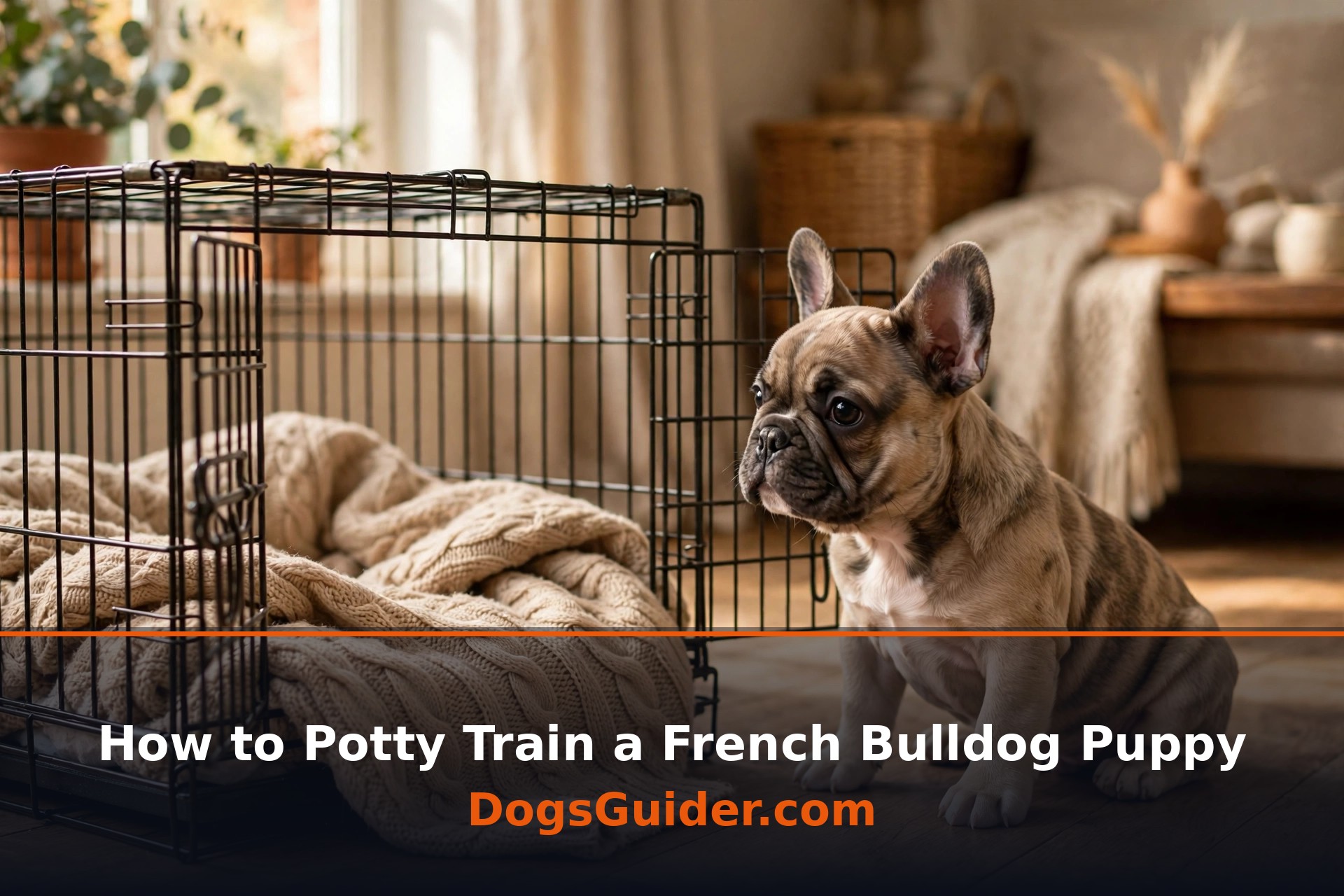
Choose one toilet spot and use it every single time. The familiar scent tells your puppy exactly what this place is for.
Take your puppy there on a leash, even in your own garden. Stand fairly still and be a little boring until the puppy goes.
Use one short cue phrase, such as go toilet, in a calm voice. Repeat it quietly while the puppy is actually going.
The moment the puppy finishes, praise warmly and give a small, high value treat. Timing is everything; reward outside, not back indoors.
After the toilet trip, a short play or walk is a bonus reward. Puppies who learn that toileting ends outdoor fun may start holding back.
Crate Basics That Support Training
A crate helps because most puppies instinctively avoid soiling their sleeping area. Used kindly, it becomes a safe den, not a cage.
Choose a crate just big enough for your puppy to stand, turn, and lie stretched out. Oversized crates invite one end becoming a toilet.
Use a divider in a larger crate and expand the space as your puppy grows. Cozy and clean is the goal.
Introduce the crate gradually with treats, meals, and short closed door moments. Build duration slowly and never use the crate as punishment.
Young puppies cannot stay crated for long periods. Overnight, expect at least one toilet trip in the early weeks of training.
Never leave a puppy crated so long that soiling the bed becomes unavoidable. That breaks the natural instinct you are relying on.
If your puppy cries at night, take a calm, dark, boring toilet trip, then straight back to bed. Keep night trips strictly business.
Handling Accidents the Right Way
Accidents are information, not naughtiness. Every puppy has them, and how you respond decides whether training speeds up or stalls.
If you catch your puppy mid accident, interrupt gently with a soft sound. Then carry or lead them outside to finish there.
If the puppy finishes outside, praise and treat as usual. Partial success is still success worth rewarding generously.
If you find an accident afterwards, simply clean it up. A puppy cannot connect your frustration now with a puddle made earlier.
Never rub a puppy’s nose in a mess, shout, or punish after the fact. Punishment teaches fear and hiding, not toilet habits.
Punished puppies often start toileting behind furniture instead. They have learned that going near you is unsafe, which makes training harder.
Clean every accident spot with an enzymatic cleaner made for pet messes. Ordinary cleaners leave scent traces that invite a repeat performance.
If accidents suddenly increase, look for the cause. Schedule gaps, a growth spurt, excitement, or a health change can all be behind it.
Sudden changes in urination, straining, or blood in urine are vet matters, not training matters. Book a check rather than pushing on.
The Famous Frenchie Stubbornness

Owners describe French Bulldogs as stubborn, but what looks like stubbornness is usually something more specific and more fixable.
Frenchies dislike bad weather. Rain, cold wind, and wet grass can make a puppy stall, circle, and beg to go back inside.
They also bore quickly. A puppy taken to the same dull corner may simply wait you out, then toilet on the warm rug indoors.
Solve weather reluctance with a sheltered toilet spot if you can. A covered area or large umbrella makes rainy trips far more successful.
Solve boredom by staying patient and still outside, then making toileting the gateway to play. The fun starts after the puppy goes.
Above all, outlast the stall calmly. Bringing a dry puppy back inside unrewarded teaches that waiting works better than toileting outside.
Most stubborn phases crumble within days once every person in the home follows the same routine, cues, spot, and rewards.
Mixed messages are the real progress killer. One family member skipping trips or using different rules can undo a week of consistency.
Apartment Potty Training Tips
Apartment life adds travel time between the puppy and the grass. Planning around that delay is the difference between success and daily puddles.
Our overview of the French Bulldog as an apartment dog covers the wider setup, from noise to exercise in smaller homes.
Start earlier. Leave before the puppy is desperate. With lifts and stairs involved, build the journey time into your schedule.
Use a balcony grass patch if allowed. A real grass tray on a balcony gives puppies a fast, consistent option between full outdoor trips.
Treat pads as a bridge, not the destination. Indoor pads can help very young puppies, but plan to fade them toward the door gradually.
Carry cleaning supplies in the hallway kit. Accidents in shared spaces happen; a fast, cheerful cleanup keeps neighbors on your side.
Expect apartment training to take a little longer than house training. That is logistics, not failure, and the same routine still works.
Odor Control While Training
A home that smells like a toilet to a puppy becomes a toilet. Odor control is quietly one of the most practical training tools.
Blot accidents promptly, clean with enzymatic cleaner, and let the area dry fully before the puppy has access again.
Wash bedding and crate blankets regularly during training. Lingering scent in fabrics can encourage repeat accidents in favorite sleeping spots.
Our guide on why a French Bulldog smells covers the other usual odor sources, from skin folds to ears, once accidents are ruled out.
How Long Does It Take?
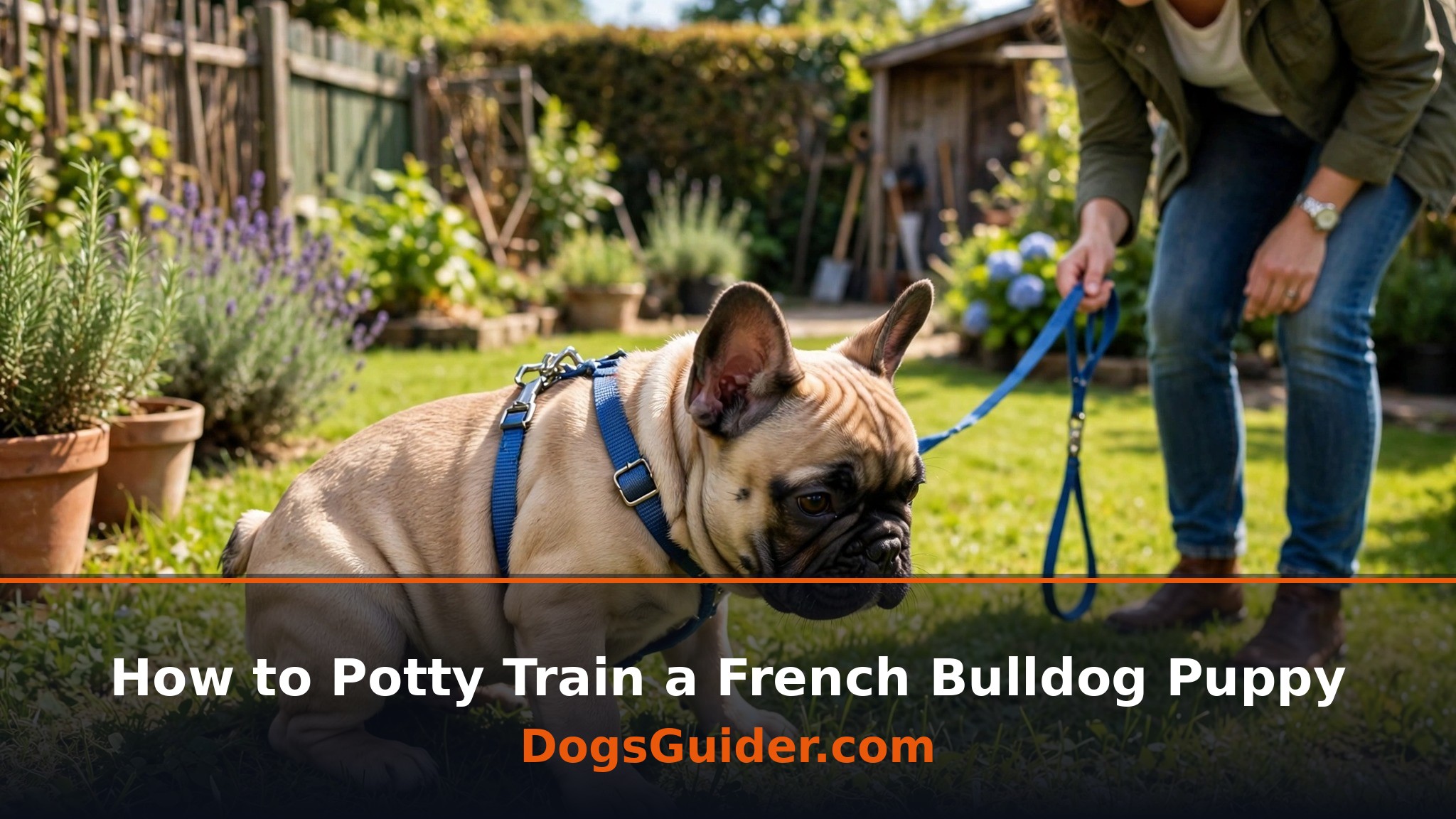
Most French Bulldog puppies develop a solid routine within several weeks of consistent training. Full reliability usually takes longer, often several months.
Progress is rarely a straight line. A clean week can be followed by a messy few days during a growth spurt or routine change.
Judge progress over two week windows, not single days. Fewer accidents each fortnight means the system is working, even on bad days.
If progress stalls completely for weeks, review the schedule first. More frequent trips and better supervision fix most plateaus without any new method.
The Bottom Line
Potty training a French Bulldog puppy is a scheduling game: out first thing, after meals, naps, and play, and before bed. Use one spot, one cue, and immediate outdoor rewards every time.
A snug, kind crate supports the routine, and accidents get cleaned quietly with enzymatic cleaner, never punished. Frenchie stubbornness is usually weather, boredom, or mixed messages, and consistency fixes all three.
Apartment puppies need earlier starts, not different rules.
References
- American Kennel Club, house training a puppy guidance for owners, https://www.akc.org/
- PetMD, puppy potty training and development guidance, https://www.petmd.com/
- RSPCA, house training and reward based puppy training advice, https://www.rspca.org.uk/
- VCA Animal Hospitals, client education on puppy house training, https://vcahospitals.com/
FAQs
1. How often should a French Bulldog puppy go outside?
Young puppies need trips every one to two hours, plus first thing, after meals, naps, and play, and before bed. As bladder control grows over the months, the gaps between trips stretch naturally.
2. What if my puppy will not go outside but goes indoors?
Stay out a little longer in the toilet spot, keep trips calm and boring, and reward instantly when the puppy finally goes. Also review timing; most indoor accidents follow a missed schedule window.
3. Is it okay to use puppy pads?
Pads can help as a short term bridge, especially in apartments or with very young puppies. Move the pad gradually toward the door, then outside, so the puppy’s target becomes outdoor toileting.
4. How do I stop night time accidents?
Feed the last meal earlier in the evening, take a final trip right before bed, and expect one calm night trip in the early weeks. Keep night trips dark, quiet, and unrewarding beyond praise.
5. My Frenchie hates going out in the rain. What helps?
Use the most sheltered toilet spot available, keep trips short and patient, and reward warmly the moment the puppy goes. A large umbrella or covered area makes a real difference for many Frenchies.
6. When is a puppy fully potty trained?
Most puppies are mostly reliable by around six months with consistent training, though occasional accidents can still happen. A few accident free months, not days, is the sign of a finished job.
7. Can punishment speed up potty training?
No. Punishment, including scolding after the fact, teaches puppies to fear you and hide their toileting. Reward based training is faster, kinder, and the only approach recommended by veterinary behavior experts.

Sarah Mitchell has been raising French Bulldogs for over 9 years in Austin, Texas. After adopting her first Frenchie, Biscuit, she became passionate about helping new owners navigate the unique needs of the breed from breathing care to diet and heat safety. Sarah has worked closely with local veterinarians and attended the AKC National Championship three times as a breed enthusiast. Her guides focus on practical, real-world advice for American Frenchie owners.



One Comment