French Bulldog Limping: Causes, Care & When to Worry
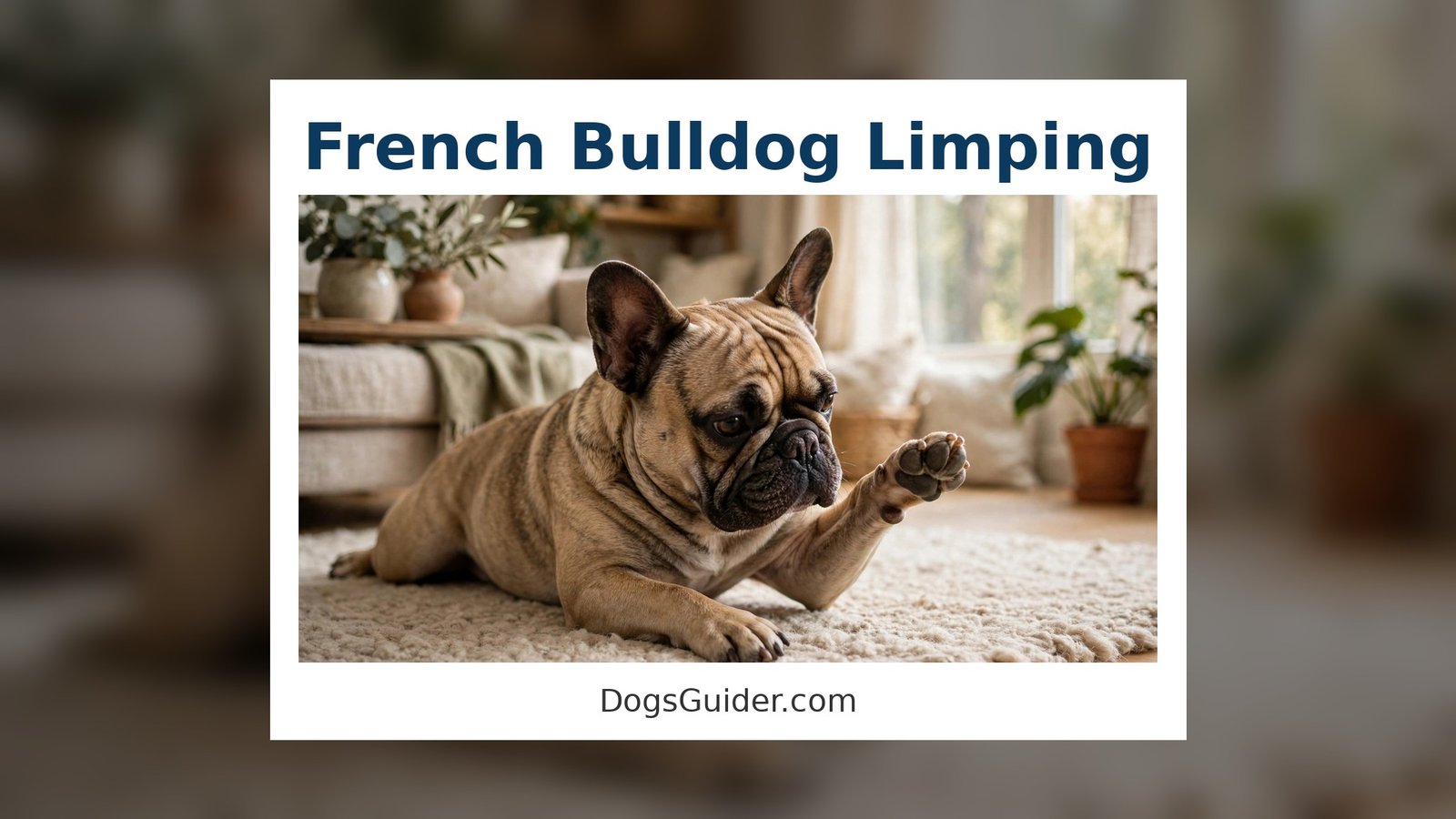
Introduction
If you have noticed french bulldog limping in your pet, you are right to pay attention. A limp is a sign that something hurts, even when your Frenchie still wags and plays. Our guide to French bulldog hip dysplasia explains one common joint cause.
Most limps start with a simple soft tissue injury, such as a sprain, a sore paw, or a small cut. These mild cases often improve with rest and a calm routine at home.
Some limps point to a deeper problem, such as joint disease, a torn ligament, or a back issue. Watching the pattern matters more than guessing the cause.
This guide explains the common causes, the checks you can do at home, and the warning signs that need a vet. It is educational only, not a substitute for veterinary advice.
Quick Answer: French bulldog limping most often comes from a sprain, a paw injury, or a sore claw. Mild cases usually improve within 48 hours of rest. A limp that lasts longer needs a vet visit.
What Does Limping Mean in a French Bulldog?
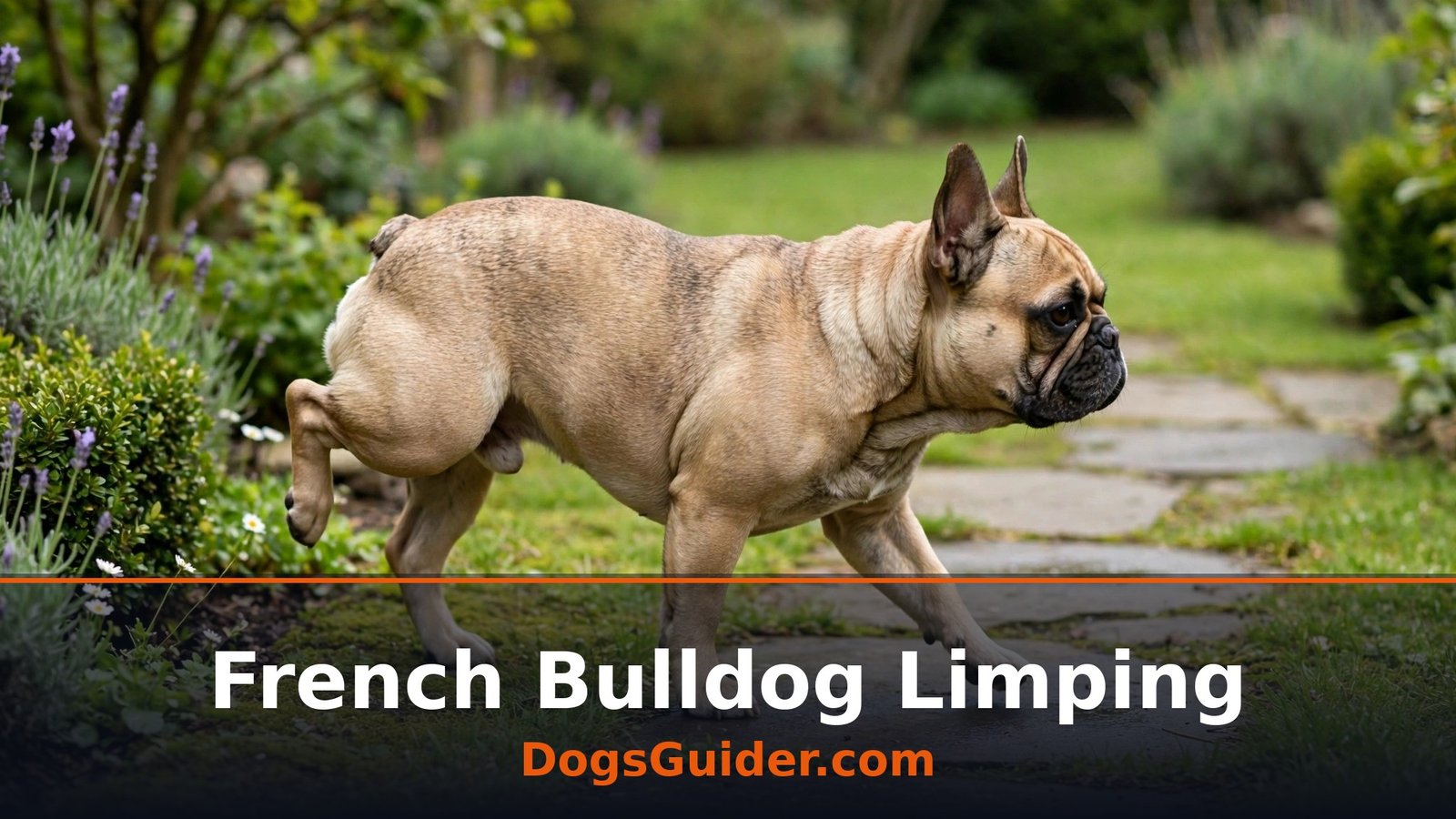
A limp means your dog is shifting weight away from a sore leg. It can be slight, like a shorter step, or clear, like a held-up leg.
Limping is a sign, not a diagnosis. The same uneven walk can come from a paw cut, a sore knee, a bad hip, or a back problem.
Common Causes of French Bulldog Limping
French Bulldogs are prone to joint and spine problems, and their stocky build adds strain with every step.
Sprains and Strains
A sprain stretches or tears a ligament, while a strain affects a muscle or tendon. Both often follow a jump from the sofa, a slip, or rough play. The limp starts suddenly and eases with rest.
Paw Injuries
Check the paw first, because it is the most common and most fixable cause. Cuts, thorns, splinters, cracked pads, and stings can all make a dog limp. Hot pavement and road salt can also damage the pads.
Broken or Torn Claw
A torn claw is small but very painful. The claw may catch on carpet or a rug and split near the quick, the sensitive core inside the nail. Your dog may lick the paw and yelp when touched.
ACL (Cruciate Ligament) Injury
In dogs this ligament is called the cranial cruciate ligament, and owners call it the ACL. It stabilises the knee, and a tear causes sudden back leg lameness. Many dogs hold the leg up and will not put weight on it.
Patellar Luxation
Patellar luxation means the kneecap slips out of its groove, toward the inside of the leg. Many French Bulldogs skip a step or hop on three legs, then walk normally when it pops back. Repeated slipping wears the joint.
Hip Dysplasia
Hip dysplasia means the ball and socket of the hip do not fit well, so the joint is loose and wears unevenly. It is common in French Bulldogs and often causes a back leg limp after rest or exercise.
Elbow Dysplasia
Elbow dysplasia is a faulty fit in the elbow joint that develops while a puppy grows. It affects a front leg and causes a limp that is worse after play or rest.
Back and Spine Problems
French Bulldogs are prone to back problems, including slipped discs and oddly formed vertebrae. A spine issue can look like a leg limp, with a hunched back or yelping when lifted.
Lyme Disease and Tick-Borne Illness
A tick bite can pass on Lyme disease, which causes shifting lameness, fever, and tiredness. The limp may move from one leg to another. If your dog limps with a fever after time outdoors, ask your vet about a tick test.
| Cause | Typical signs |
|---|---|
| Sprain or strain | Sudden limp after play |
| Paw injury | Licking paw, cut on pad |
| Broken claw | Paw held up, pain when touched |
| ACL injury | Back leg held up, no weight |
| Patellar luxation | Skipping, hopping on three legs |
| Hip dysplasia | Limp after rest or exercise |
| Elbow dysplasia | Front leg limp, worse after play |
| Back problem | Hunched back, yelping |
| Lyme disease | Shifting limp, fever |
Front Leg vs Back Leg Limping
Which leg your dog favours is a useful clue. Front leg limps often point to the paw, shoulder, or elbow, while back leg limps more often point to the knee or hip.
A front leg limp often comes with head bobbing, because the dog lifts its head when the sore leg bears weight. A back leg limp may show as a short step, a skip, or a bunny hop.
What to Check at Home
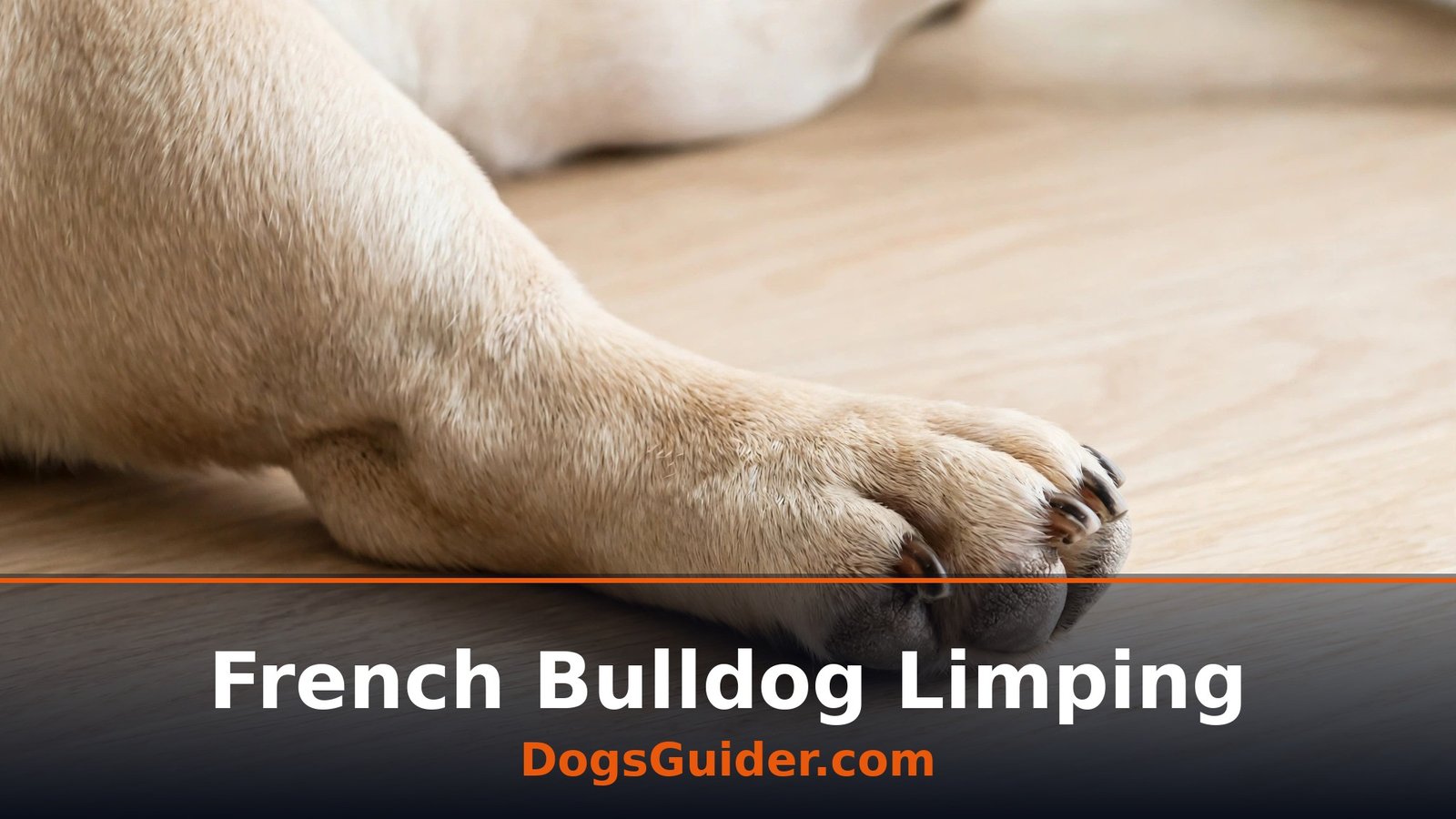
Do these checks calmly, and stop if your dog growls, snaps, or pulls away. If you find nothing, the limp itself is still worth a vet call.
- Look at the paw pads and between the toes for cuts, thorns, swelling, or something stuck. Check the claws for splits or breaks.
- Feel the leg gently from the paw upward. Note any heat, swelling, or a spot that makes your dog flinch.
- Watch your dog walk on a flat surface. Note which leg is favoured and whether the limp is worse after rest.
- Think back over the last day. Note any jumps, falls, rough play, long walks, or tick exposure.
- Write down when the limp started and whether it is getting better or worse. Take this note to the vet.
First Aid and Rest
Rest is the first treatment for a mild limp. Keep your dog calm for 24 to 48 hours, with short leash walks only for toilet breaks. No stairs or rough play.
A cold pack wrapped in a towel can ease swelling. Hold it on the sore spot for 10 to 15 minutes, a few times a day. Never put ice straight on the skin.
Never give human pain medicine such as ibuprofen or paracetamol. These drugs are toxic to dogs. Only a vet can prescribe safe pain relief.
When to See the Vet Urgently
Some limps cannot wait. Call your vet the same day, or go to an emergency clinic, if you see any of the signs below.
- Your dog will not put any weight on the leg at all.
- The leg looks bent, deformed, or dangling.
- There is heavy bleeding or a deep open wound.
- Your dog cries, trembles, pants hard, or cannot settle.
- The limp followed a fall, a car accident, or major trauma.
- The limp lasts more than 48 hours with no improvement.
When in doubt, call your vet. A short phone call costs nothing, and the vet can say whether to come in now or watch for another day.
| Situation | What to do |
|---|---|
| Mild limp, dog still bears weight | Rest 24 to 48 hours |
| Limp improving within 48 hours | Keep resting |
| No weight on the leg | Call the vet the same day |
| Swelling, wound, or deformity | Urgent vet visit |
| Limp with fever or lethargy | Vet visit the same day |
| Limp lasting more than 48 hours | Book a vet exam |
How Vets Diagnose a Limp
Your vet will watch your dog walk, feel each joint, and check for pain and swelling. Notes and video from home help a lot here.
X-rays show fractures, joint shape, and arthritis. They are the usual next step for a lasting limp or a leg that cannot bear weight. Blood and tick tests help when fever points to infection.
Treatment and Recovery
Treatment follows the cause. A sprain needs rest and time, a paw cut needs cleaning and protection, and a torn cruciate ligament often needs surgery. Your vet matches the plan to the diagnosis.
Recovery takes patience. Follow the rest plan even when your dog looks better, because a leg that heals too fast can be injured again. Short, controlled walks build strength back slowly.
Joint problems may need long term care. Weight control, joint supplements, and vet-prescribed medicine can keep a dog comfortable for years.
Prevention
Keep your Frenchie lean, because extra weight loads every joint with each step. Our guide to how much a French Bulldog should weigh helps you check whether your dog is at a healthy weight.
Match exercise to your dog, with short walks and play spread through the day. See our guide on how much exercise a French Bulldog needs for a simple daily plan. Avoid repeated jumping from high furniture.
Protect the paws and use tick prevention all year. Check pads after walks and trim claws regularly. A quick tick check after walks takes seconds.
The Bottom Line
Most French Bulldog limps are mild and improve with rest. Check the paw first and watch the pattern. A limp lasting more than 48 hours needs a vet visit.
References
- AKC, Why Is My Dog Limping?, https://www.akc.org/expert-advice/health/why-is-my-dog-limping/
- PetMD, Why Is My Dog Limping?, https://www.petmd.com/dog/symptoms/why-is-my-dog-limping
- VCA, First Aid for Limping Dogs, https://vcahospitals.com/know-your-pet/first-aid-for-limping-dogs
- AKC, Hip Dysplasia in Dogs, https://www.akc.org/expert-advice/health/hip-dysplasia-in-dogs/
- Merck Vet Manual, Hip Dysplasia in Dogs, https://www.merckvetmanual.com/musculoskeletal-system/arthropathies-and-related-disorders-in-small-animals/hip-dysplasia-in-dogs
- Cornell University, Canine Hip Dysplasia (CHD), https://www.vet.cornell.edu/departments-centers-and-institutes/riney-canine-health-center/canine-health-information/canine-hip-dysplasia-chd
Frequently Asked Questions
1. Why is my French Bulldog limping all of a sudden?
A sudden limp means an injury, such as a sprain, a paw cut, or a torn claw. It can be a cruciate injury after a jump or twist. Rest your dog, check the paw, and call the vet if it lasts over 48 hours.
2. How long should I wait before seeing the vet?
For a mild limp with no red flags, rest your dog for 24 to 48 hours. Book a vet visit if the limp is the same or worse after two days. Go the same day if your dog will not bear weight.
3. Can a French Bulldog limp from hip dysplasia?
Yes. Hip dysplasia is a common cause of back leg limping in French Bulldogs, often worse after rest or exercise. Some dogs also bunny hop when they run or refuse stairs. Diagnosis needs a vet exam and X-rays.
4. Why does my French Bulldog limp and then stop?
An on and off limp often points to patellar luxation, where the kneecap slips out and pops back in. Mild sprains can also seem better, then return after play. If the pattern repeats, book a vet check.
5. Should I give my French Bulldog pain medicine for a limp?
No. Never give human pain medicine such as ibuprofen, aspirin, or paracetamol, because these drugs are toxic to dogs. Only your vet can prescribe safe pain relief. Rest and a cold pack are the safe home steps.
6. Can a tick bite make a French Bulldog limp?
Yes. Tick-borne illnesses such as Lyme disease can cause a limp that shifts from one leg to another, with fever and tiredness. Use tick prevention all year and ask your vet for a tick test if your dog limps after time outdoors.
7. How can I prevent my French Bulldog from limping?
Keep your dog lean, give short daily walks instead of hard bursts of exercise, and avoid repeated jumping from high furniture. Check the paws after walks, trim claws regularly, and use tick prevention all year round.

Sarah Mitchell has been raising French Bulldogs for over 9 years in Austin, Texas. After adopting her first Frenchie, Biscuit, she became passionate about helping new owners navigate the unique needs of the breed from breathing care to diet and heat safety. Sarah has worked closely with local veterinarians and attended the AKC National Championship three times as a breed enthusiast. Her guides focus on practical, real-world advice for American Frenchie owners.