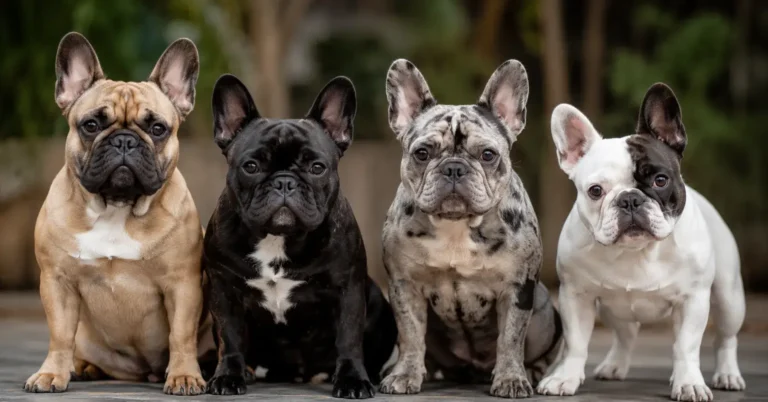
French Bulldog Colors Guide 2026: AKC Standard & Chart
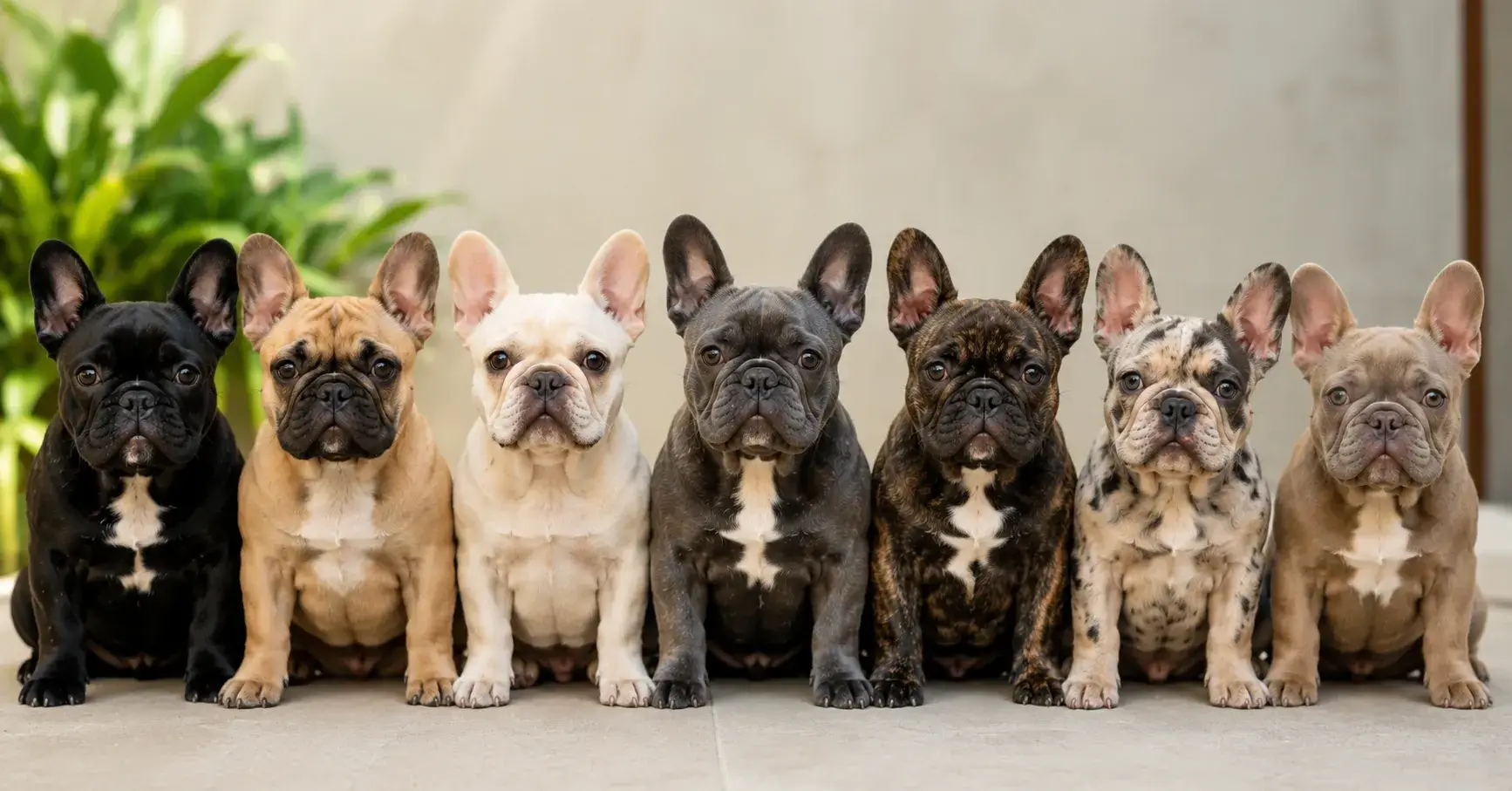
French Bulldogs come in four AKC-approved colors: fawn, cream, white, and brindle. Breeders also register combinations like brindle and white or fawn and white, known as pied. Colors outside this list, such as blue, lilac, chocolate, or merle, don’t meet the official breed standard.
Ever seen a “rare” colored Frenchie online and wondered why it costs so much more? Many of those trendy shades aren’t even AKC-recognized. In this guide, you’ll find every real French Bulldog color, complete with photos, a genetics chart, and honest pricing.
What Are the AKC Standard French Bulldog Colors?
There are only four colors the AKC actually accepts for French Bulldogs: fawn, cream, white, and brindle. Everything you see beyond that, patterns, combos, whatever, is really just a variation of these four.
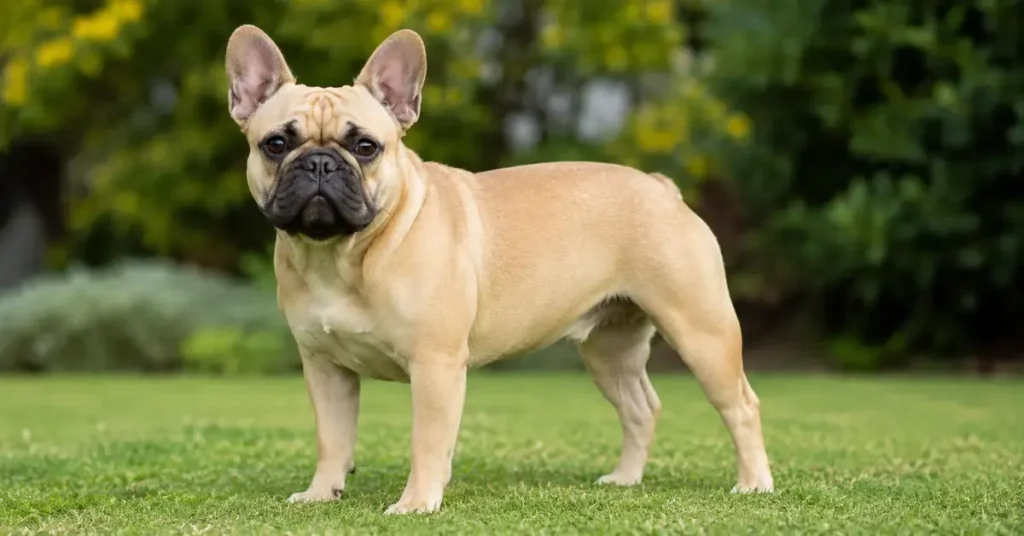
Fawn
This is the classic Frenchie color, the one most people picture first. Fawn can look almost blonde on some dogs and deep reddish-tan on others, and you’ll usually spot a black mask around the muzzle too. Ask ten breeders what “true fawn” looks like and you might get ten slightly different answers, since so much depends on the individual dog’s pigment.
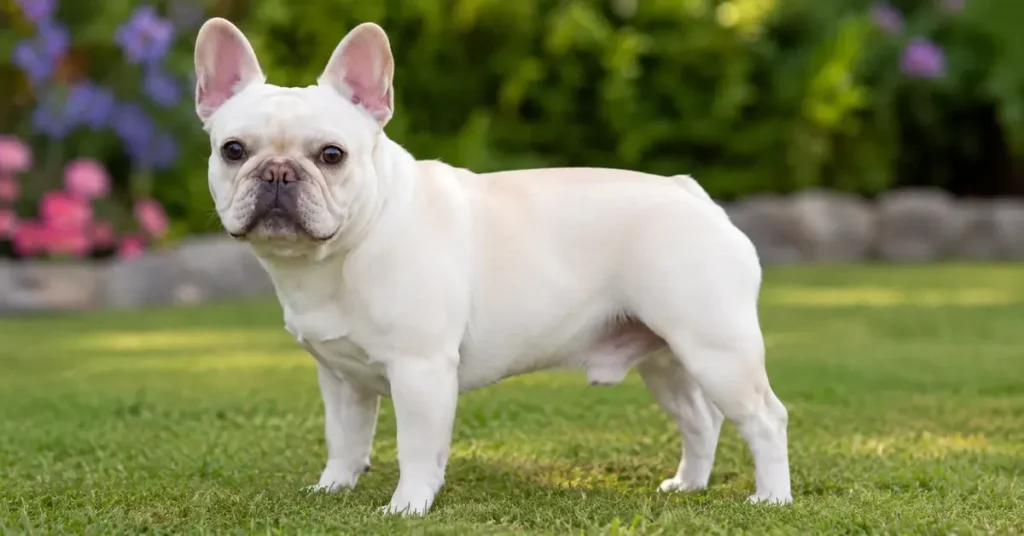
Cream
Don’t confuse this with a pale fawn, it trips people up all the time. Cream dogs are solid, off-white, with none of that warm fawn undertone mixed in. And unlike some fawn puppies that darken as they grow, a true cream Frenchie pretty much stays that same soft shade for life.
White
White Frenchies are rarer than you’d think, and their coats can sometimes carry a few light patches that still count as white under the standard. One thing worth knowing: dogs with a lot of white or pink skin showing can sunburn easily, so owners usually need to think about sun protection more than they would with a darker-coated dog.
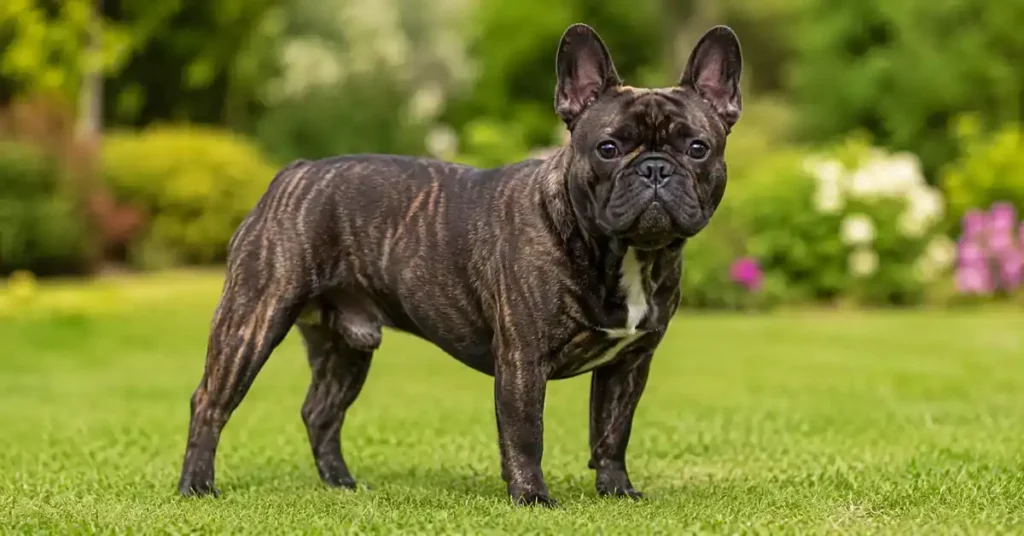
Brindle
Technically brindle isn’t a color at all, it’s a pattern. Black hairs weave through a fawn base, sort of like tiger stripes, and depending on how heavy that striping gets, some brindle dogs look almost solid black from a distance. Worth mentioning: a truly solid black French Bulldog doesn’t exist in this breed, so what looks black is almost always just an extremely dark brindle.
French Bulldog Color Combinations & Patterns
The four base colors are just the starting point. Mix them together and you get patterns, and each one has its own name, its own look, sometimes even its own price tag.
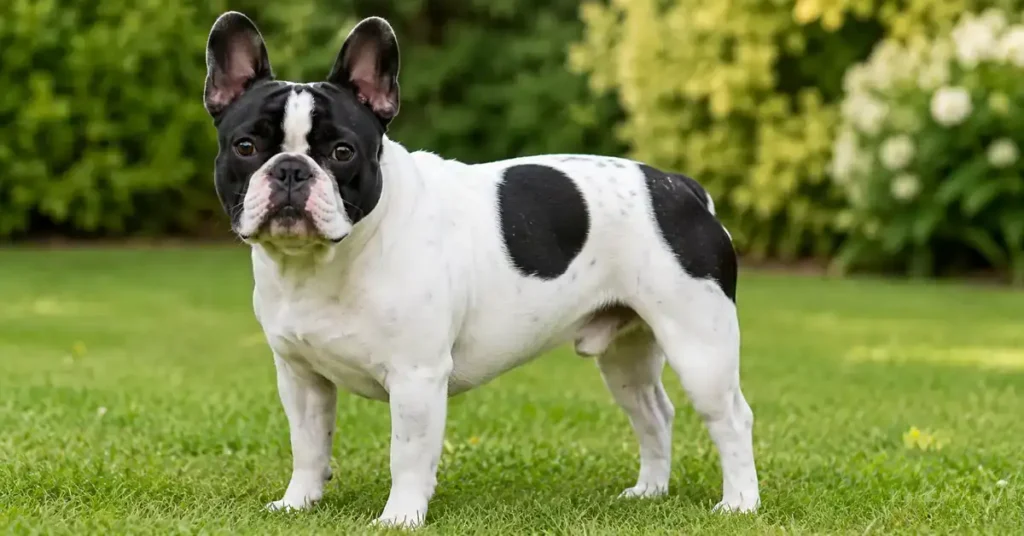
Brindle and White (Pied)
Most people just say “pied” for this one, even though pied technically describes the pattern, not a color on its own. Picture a mostly white dog with brindle patches scattered around, maybe near an ear, maybe covering half the back. Every pied Frenchie is different too. You could see two littermates and they won’t match at all.
Fawn and White (Pied)
Basically the same setup as brindle pied, just swap the stripes for solid fawn patches. These dogs usually come across softer looking, less busy, and honestly a lot of people go for this combo purely because it photographs well for Instagram.
Black Masks and Shadings
This shows up mostly on fawn dogs, that darker shading around the muzzle that some call a “mask.” It’s not its own color category, more of a marking that varies dog to dog. Some Frenchies barely have one, others have it creeping up toward the eyes. Breeders love to talk up a “deep mask” like it means something special, but really it’s just pigment, nothing that changes the dog’s health or temperament.
French Bulldog Colors With Pictures
French Bulldogs come in several beautiful coat colors and patterns. Explore the image gallery below to see clear pictures of fawn, brindle, pied, and cream-and-white French Bulldogs.
Fawn French Bulldog Pictures
See the image below to view the warm tan coat and classic appearance of a fawn French Bulldog.
Brindle French Bulldog Pictures
The image below shows the dark coat and distinctive tiger-like stripes of a brindle French Bulldog.
Pied French Bulldog Pictures
See the image below for the white coat and contrasting dark patches of a pied French Bulldog.
Cream & White French Bulldog Pictures
The image below shows the soft cream-and-white coat of this French Bulldog color variation.
French Bulldog Color Chart (Genetics Breakdown)
Coat color in Frenchies comes down to a handful of genes working together, dilution genes, base color genes, and whatever combination a puppy inherits from both parents. Here’s how the main colors stack up side by side
| Color | Genetic Basis | AKC Status | Rarity | Price Range |
| Fawn | Base color, no dilution | Standard | Common | $2,500 – $4,500 |
| Cream | Recessive dilute of fawn | Standard | Common | $2,500 – $4,500 |
| White | Piebald gene, minimal pigment | Standard | Uncommon | $3,000 – $5,000 |
| Brindle | Dominant striping over fawn base | Standard | Very Common | $2,500 – $4,000 |
| Pied (Brindle/Fawn & White) | Piebald gene + base color | Standard | Common | $2,500 – $4,500 |
| Blue | Dilution gene (d/d) | Not Recognized | Rare | $4,000 – $8,000 |
| Lilac/Isabella | Double dilute (blue + chocolate) | Not Recognized | Very Rare | $6,000 – $12,000 |
| Chocolate | Recessive brown gene (b/b) | Not Recognized | Rare | $4,000 – $7,000 |
| Merle | Merle gene (M) | Disqualified | Rare | $6,000 – $15,000 |
Prices swing this much because demand doesn’t always follow health or breed standards, some of the most expensive colors here are the ones ethical breeders actually try to avoid producing.
Rare & Non-Standard French Bulldog Colors (Quick Overview)
Not every Frenchie color you’ll see online is on the official list, and a few of the prettiest ones carry health risks nobody mentions in the Instagram caption. Here’s the short version of each; the full details are one click away.
Blue
That “blue” coat is really just black that got diluted down to a greyish-steel colour, with a bit of blue showing under bright light. It’s not AKC-recognized, and dogs carrying that dilution gene can end up with skin and coat issues down the line, so it’s a fair question to ask your breeder before you decide this is the one.
Lilac/Isabella
Lilac (also called Isabella) occurs when blue and chocolate genetics combine, resulting in a pale lavender-grey coat and light-coloured eyes. It’s genuinely rare, which is why the price tag on these pups gets ridiculous fast, but that rarity is tied to double-dilute breeding, and that’s where the concern lies.
Chocolate
Chocolate Frenchies carry a solid brown coat instead of black, often with amber or hazel eyes. Both parents need to pass along the gene for a pup to come out this color, so it’s less common than fawn or brindle but not nearly as rare as blue or lilac.
Merle
Merle shows up as a mottled, patchwork coat, with dark patches scattered over a lighter base. It’s a striking look, but breeding merle to merle is a real gamble, since it raises the odds of deaf or blind puppies. If you’re set on merle, this is the color where digging into the breeder’s practices actually matters.
How Much Do Different French Bulldog Colors Cost?
Colour has a bigger impact on price than most people expect going in. Here’s a rough breakdown of what you’re looking at:
| Colour | Typical Price Range |
| Fawn / Brindle (standard) | $2,500 – $4,000 |
| Blue | $4,000 – $6,000 |
| Chocolate | $4,000 – $6,000 |
| Lilac / Isabella | $8,000 – $15,000+ |
| Merle | $8,000 – $15,000+ |
That jump in price for lilac and merle isn’t because those pups are healthier or better bred; it’s simply because there are fewer of them around. Truth is, some of these rarer colours come with more health baggage, not less, so a bigger price tag doesn’t mean you’re getting a superior dog. You’re paying for how uncommon the colour is, nothing more.
One thing to watch for: if a breeder wants top dollar for a rare colour but won’t show you health clearances, that’s your red flag. Not the price itself, but the lack of proof behind it.
Which French Bulldog Color Is Right for You?
If I’m being straight with you, this decision usually comes down to three things: how much you want to spend, how much risk you’re okay taking on, and whether you can actually find a breeder you trust for that specific colour. Fawn, brindle, and pied are your safest bets all around, they’re easier to insure, easier to find good breeders for, and you’re not gambling on rare genetics just to get the look you want.
Now, if you’ve already got your heart set on a blue, lilac, or merle pup, I’m not going to talk you out of it. Just don’t let the colour decide for you. Ask to see health test results for both parents. Ask about DNA panels. A breeder who’s proud of their dogs won’t flinch at those questions; the ones who dodge them are the ones to walk away from, no matter how stunning the puppy photos look.
Bottom line, the coat colour is the last thing that should matter here. What actually matters is whether that puppy came from healthy parents and a breeder who did things right. Get that part correct, and the colour is just a bonus.
Frequently Asked Questions
What is the most common French Bulldog color?
Fawn and brindle are by far the most common; you’ll see them on the majority of Frenchies out there, and they’re also the most affordable.
What is the rarest French Bulldog color?
Merle takes the top spot for rarest, with Lilac and Isabella right behind it. All three carry a hefty price tag simply because so few breeders produce them.
Can a French Bulldog puppy’s color change as it grows?
Yes, and it happens more than people expect. Fawn coats can lighten or deepen, and dark coats sometimes fade a bit with age and sun exposure.
Do French Bulldog colors affect personality?
No. Temperament comes down to genetics, socialisation, and how the puppy was raised. Coat colour has nothing to do with it.
What colour French Bulldog is best for hot climates?
Lighter colours like fawn or cream tend to handle heat a bit better since darker coats absorb more heat, but honestly, every Frenchie struggles in the heat no matter the colour. That flat face is the real problem.
Are blue French Bulldogs healthy?
They can be, if bred responsibly, but the dilute gene is linked to Color Dilution Alopecia, so it’s worth asking the breeder about it.
Why are lilac French Bulldogs so expensive?
It takes two rare recessive genes to produce that color, so there just aren’t many lilac Frenchies out there, and demand pushes the price way up.
Is merle color accepted by the AKC?
No. The AKC doesn’t recognise merle, and most breed clubs actively discourage breeding for it due to the health risks associated with double-merle pairings.
What color French Bulldog is best for families with kids?
Any colour works fine, it’s the individual dog’s temperament and how well-socialised it is that matters, not the coat.
Conclusion
French Bulldog colors come in many beautiful shades, from AKC standard colors to rare varieties. While color is an important feature, a healthy, well-bred French Bulldog is always the best choice. We hope this French Bulldog Colors Guide 2026 helps you understand each color and choose the perfect Frenchie with confidence.

Sarah Mitchell has been raising French Bulldogs for over 9 years in Austin, Texas. After adopting her first Frenchie, Biscuit, she became passionate about helping new owners navigate the unique needs of the breed from breathing care to diet and heat safety. Sarah has worked closely with local veterinarians and attended the AKC National Championship three times as a breed enthusiast. Her guides focus on practical, real-world advice for American Frenchie owners.