
Introduction
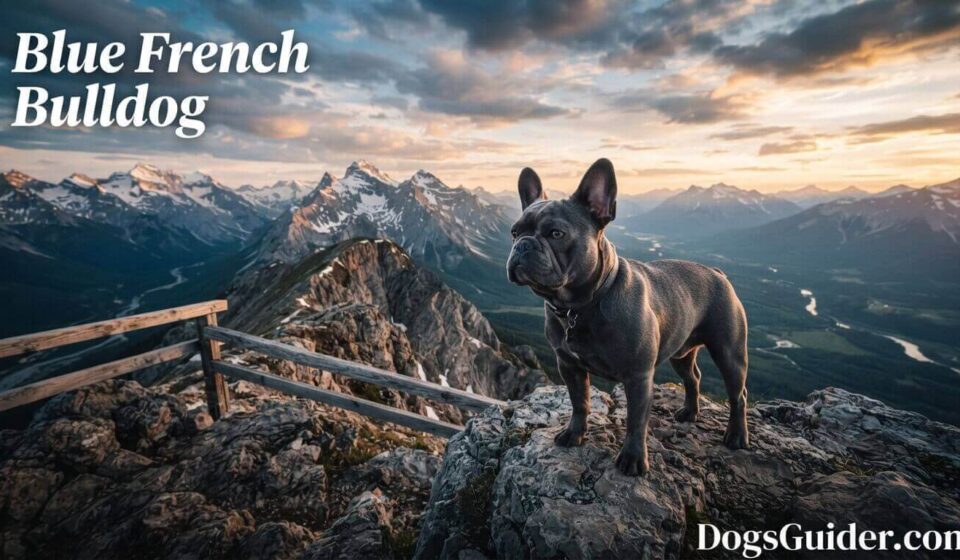
The Blue French Bulldog’s slate-gray coat is one of the most requested looks in the breed right now and also one of the most misunderstood.
Before you fall for the photos, it’s worth understanding exactly what causes that steel-blue color, the one health condition it’s genuinely linked to, and how blue combines with other traits like merle, fawn, and brindle to create even rarer variations.
What Makes a French Bulldog “Blue”?
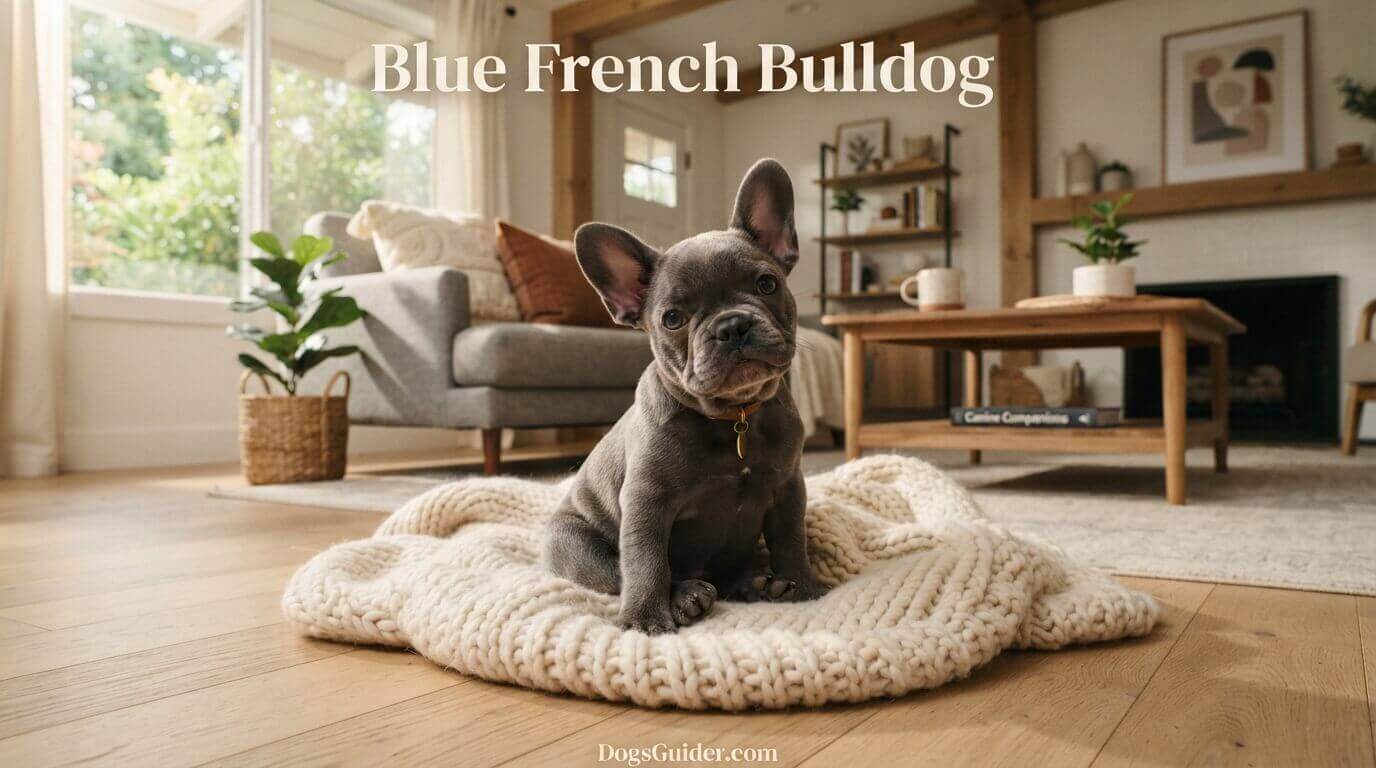
A blue French Bulldog is not a separate pattern like merle, but a lightened version of standard black pigment. It’s caused by a recessive mutation at what geneticists call the D-locus (dilution locus).
A puppy needs to inherit two copies of the recessive “d” allele (genotype d/d) from its parents to display the blue coat. One copy alone makes a dog a carrier without showing the color itself.
This dilution process turns what would normally be black pigment into a smoky, silvery-gray shade. The same gene is responsible for the lilac and Isabella colors as well, depending on which other color genes it’s paired with.
The Health Risk Every Buyer Should Know: Color Dilution Alopecia
This is the part that separates a responsible breeder from one just chasing a trend. The same dilution gene that produces the blue coat can also cause a documented skin condition called Color Dilution Alopecia (CDA).
Veterinary sources report that the diluted pigment clumps abnormally inside the hair shaft, making it structurally weaker and prone to breakage.
Signs typically appear between six months and two years of age and include:
- Patchy hair thinning or loss, usually limited to the blue-pigmented areas
- Dry, flaky, or itchy skin
- Recurring skin infections in affected patches
Estimates vary, but some studies suggest CDA affects a meaningful share of dilute-colored dogs, not every blue Frenchie, but enough that it shouldn’t be dismissed as rare.
CDA isn’t curable, but it’s manageable with the right shampoos, skin care routine, and veterinary guidance. Reputable breeders won’t hide this from you; if a seller insists blue Frenchies have “zero health risk,” that’s a red flag, not reassurance.
Blue Merle French Bulldog
When the dilution gene combines with the merle pattern, you get a Blue Merle French Bulldog: a marbled, silvery-blue coat with darker slate patches scattered throughout. This is currently one of the highest-demand color combinations in the breed.
Because this dog carries both the dilution gene and the merle gene, the same precautions apply to both: ask whether both parents were merle (to rule out double-merle risk) and understand that CDA remains a possibility due to the underlying dilute coloring.
Blue Fawn French Bulldog
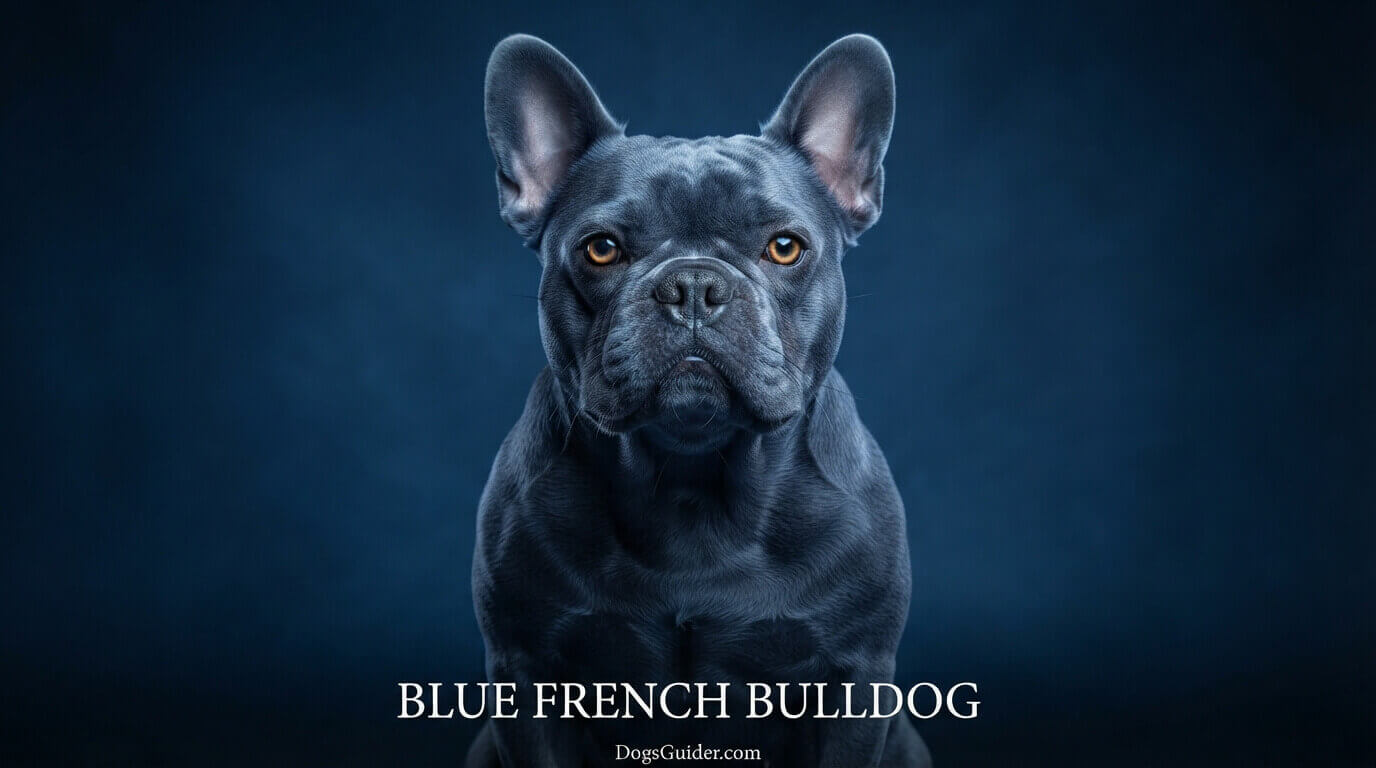
A Blue Fawn Frenchie has a warm, diluted tan-to-cream base coat with a blue-tinted nose, lips, and eye rims instead of the standard black points.
The dilution affects the pigmented “points” rather than the main coat color, giving a softer, muted look compared to a standard fawn.
Blue fawn dogs carry the same dilution genetics as solid blue Frenchies, meaning the CDA risk discussed above applies here as well.
Blue Brindle French Bulldog
Blue French Bulldog Brindle combines the dilution gene with the brindle striping pattern, producing a coat with muted blue-gray stripes over a lighter base rather than the bold black-on-fawn stripes of a standard brindle. It’s a subtler, more washed-out version of the classic brindle look.
Like the other blue variations on this list, blue brindle dogs are still dilution-gene carriers and should be screened with the same CDA awareness in mind.
How Much Does a Blue French Bulldog Cost?
- Solid Blue: $4,000 – $6,000
- Blue Fawn / Blue Brindle: $4,500 – $7,000
- Blue Merle: $6,000 – $10,000+
- Exceptional bloodlines or documented health-tested lines: $8,000 – $15,000+
A price far below this range on a “blue” Frenchie usually means health screening for CDA and general breed health testing was skipped entirely.
Questions to Ask a Blue Frenchie Breeder
- “Has this line had any history of Color Dilution Alopecia?” A transparent breeder will answer honestly, not deflect.
- “What skin and coat health testing has been done on the parents?”
- “If this is a blue merle, were both parents merle?” Rules out double-merle risk in combination colors.
- “Can I see photos of adult dogs from previous litters?” CDA often shows up after 6 months, so puppy photos alone won’t reveal it.
Bottom Line
A Blue French Bulldog can be a healthy, loving companion; the color itself isn’t inherently dangerous. What matters is buying from a breeder who tests for and discusses CDA openly, rather than one selling the color as risk-free.
Ask direct questions, request documentation, and let the answers guide your decision as much as the coat does.
FAQs
1. What causes the blue color in French Bulldogs?
A recessive dilution gene at the D-locus. A puppy needs two copies of the recessive allele (d/d) from its parents to display the diluted, slate-blue coat.
2. Do all Blue French Bulldogs get Color Dilution Alopecia?
No. Not every blue Frenchie develops CDA, but the condition is directly linked to the dilution gene and affects a meaningful percentage of dilute-colored dogs, so the risk is real and worth discussing with any breeder.
3. Is a Blue Merle French Bulldog healthier or riskier than a solid Blue?
Riskier, generally. Blue Merle combines both the dilution gene (CDA risk) and the merle gene (double-merle deafness/blindness risk if both parents are merle), so extra screening questions apply.
4. What’s the difference between Blue and Blue Fawn?
Blue Fawn has a tan/cream base coat with diluted blue points (nose, lips, eye rims), while solid Blue has the dilution affecting the entire coat, producing an overall gray-blue color.
5. How much does a Blue French Bulldog cost?
Typically $4,000–$6,000 for a solid blue puppy, with blue merle and exceptional bloodlines reaching $10,000 or more.
6. Can Color Dilution Alopecia be cured?
No, but it’s manageable. There’s no cure, but veterinary-guided skin care, specific shampoos, and sometimes medication can control symptoms and reduce flare-ups.

Sarah Mitchell has been raising French Bulldogs for over 9 years in Austin, Texas. After adopting her first Frenchie, Biscuit, she became passionate about helping new owners navigate the unique needs of the breed from breathing care to diet and heat safety. Sarah has worked closely with local veterinarians and attended the AKC National Championship three times as a breed enthusiast. Her guides focus on practical, real-world advice for American Frenchie owners.


[…] a Pied French Bulldog needs two copies of the recessive S-locus allele to visibly display the pied […]