
When Do French Bulldogs Stop Growing? Full Timeline

Introduction
If you are wondering when do french bulldogs stop growing, you are not alone, because Frenchie puppies seem to change size every week. Our guide on how often to feed a French Bulldog puppy explains how steady meals support healthy growth.
French Bulldogs grow quickly at first, then slow down in stages. Height usually finishes first, weight follows close behind, and body shape keeps maturing for longer.
This guide gives a clear timeline for height, weight, and filling out. It also explains what affects growth, what normal variation looks like, and when a vet visit makes sense.
Quick Answer: French Bulldogs usually reach most of their height by 9 to 12 months, settle close to adult weight by 12 to 14 months, and keep filling out until 18 to 24 months.
How French Bulldog Growth Works

French Bulldogs are a small, compact breed, but they are not fully grown as fast as their size suggests. Bones lengthen first, then muscles, chest, and overall condition catch up over later months.
Growth is fastest in the first six months. Puppies gain weight steadily, grow taller almost week by week, and change shape as their bodies lengthen.
When Height Stops Growing
Height is usually the first part of growth to finish. Most French Bulldogs reach close to their adult height by 9 to 12 months of age.
Growth plates in the long bones close as a puppy matures. Once those plates close, the legs stop lengthening, so height stays stable from that point on.
Some puppies reach their adult height a little earlier, around eight or nine months. Others, especially larger males, may keep adding a small amount of height until close to twelve months.
When Weight Settles
Weight takes a little longer than height to settle. Most French Bulldogs reach close to their adult weight by 12 to 14 months of age.
Weight can still shift after height stops. A young dog may gain muscle, lose puppy leanness, and develop a broader chest without getting taller at all.
That is why weight alone can mislead owners. A stable height with a slowly rising weight often means normal filling out, not continued bone growth.
Adult weight varies more than height, because build, muscle, diet, and activity all affect the final number. Two healthy Frenchies of the same height can weigh different amounts and both be in good condition.
French Bulldog Growth Timeline
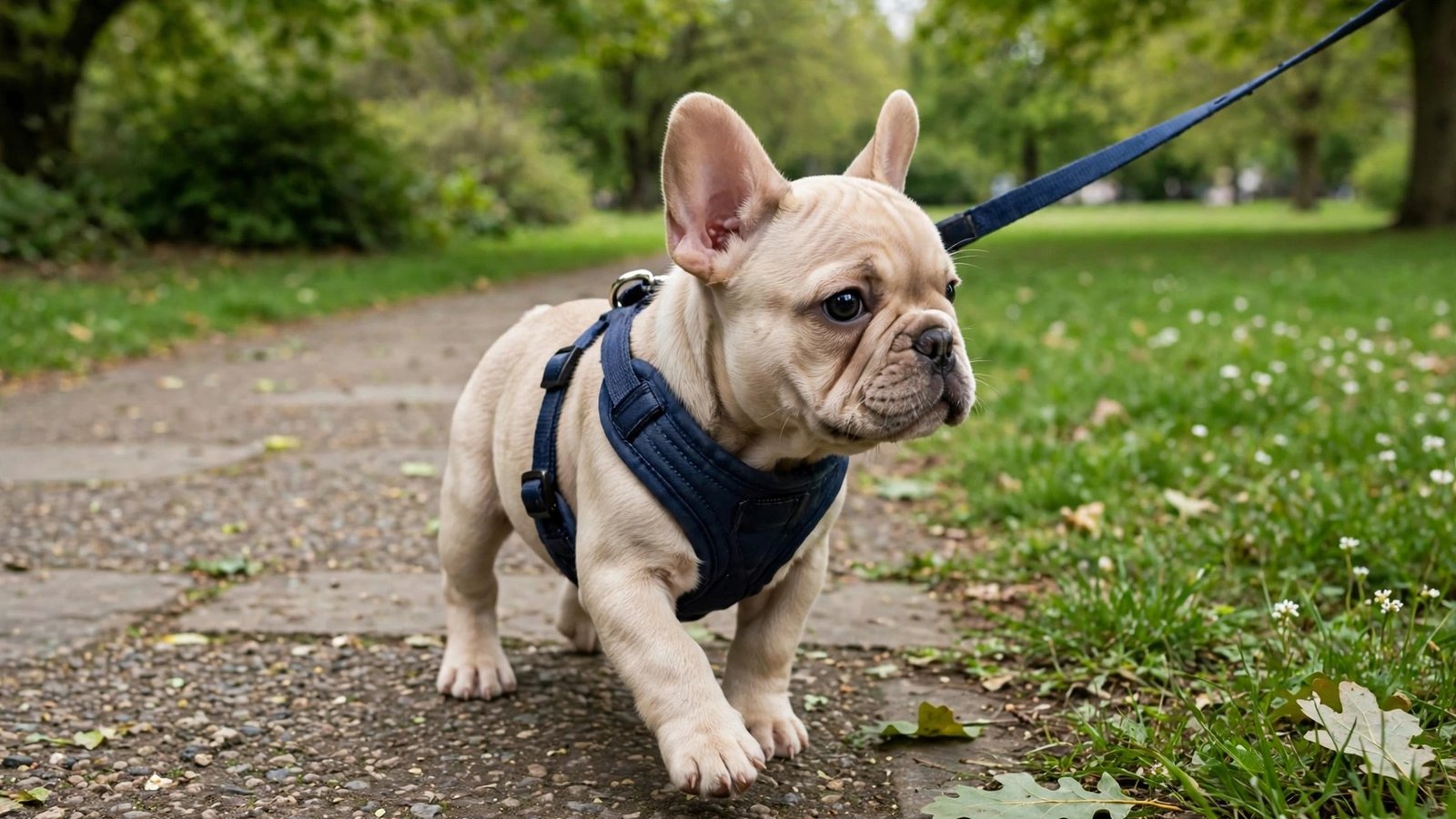
| Age | Height | Weight and body shape |
|---|---|---|
| Birth to 2 months | Very small, rapid change | Nursing and early weaning, fast weight gain |
| 2 to 4 months | Growing taller quickly | Lean puppy shape, legs look long |
| 4 to 6 months | Strong height gains | Appetite and energy high, steady growth |
| 6 to 9 months | Growth slowing | Chest broadening, puppy softness fading |
| 9 to 12 months | Near adult height | Weight close to adult range |
| 12 to 24 months | Height settled | Filling out, muscle and mature condition |
Use this table as a guide, not a strict target for every puppy. Healthy Frenchies grow at different rates, and small differences from the table are usually normal.
Male Versus Female Size
Adult French Bulldogs are compact and muscular, with a sturdy build for a small dog. Breed guidance describes adults at about 11 to 13 inches tall at the shoulder.
The breed standard weight limit is up to 28 pounds. Many healthy pets sit below that limit, and females often sit a little lighter than males.
Males are often slightly taller, broader, and heavier than females. The difference is usually modest, and build matters more than a single number on the scale.
A small female can be perfectly healthy at a lower weight. A larger male can be perfectly healthy near the upper end, provided his ribs and waist still show healthy condition.
What Affects Growth
Genetics
Genetics set the broad range for your puppy. Parents give a useful clue, but they do not fix an exact adult size for every puppy in a litter.
Diet and Body Condition
A balanced puppy diet supports steady growth. Puppies need enough energy, protein, and minerals to grow, but overfeeding does not make a dog grow taller or healthier.
Overfeeding mainly adds fat, which can strain growing joints and hide healthy body condition. Underfeeding can slow growth and leave a puppy thin, tired, or behind on development.
Aim for a visible waist from above and ribs you can feel with light pressure. If you cannot feel the ribs at all, or if they stand out sharply, ask your vet about portion size.
Exercise and Rest
Gentle, regular exercise supports strong muscles and healthy joints. Short walks, play sessions, and sniffing time suit most French Bulldog puppies well.
Avoid forced, repetitive exercise on hard surfaces for long periods. Puppies tire faster than adults, and their growing joints benefit from varied, moderate activity rather than endurance work.
Rest matters just as much as movement. Puppies sleep a lot, and sleep supports growth, learning, and recovery after play and training sessions.
Our guide on how much exercise a French Bulldog needs explains sensible daily amounts and how to adjust activity in warm weather.
Neutering Timing
Neutering timing can affect growth in some dogs, because sex hormones play a role in when growth plates close. Dogs neutered very early may grow slightly taller in some cases.
Talk with your vet about the right timing for your individual puppy. Your vet can weigh growth, health, behaviour, and breed risks before you decide.
Signs Growth Is Too Fast Or Too Slow
Fast growth is not always healthy growth. A puppy gaining weight very quickly, especially from excess food or treats, may be gaining fat rather than healthy muscle.
Signs to watch include a rapidly rounding belly, loss of a visible waist, heavy panting after mild play, and difficulty feeling the ribs. These signs deserve a vet check and a diet review.
Slow growth can also need attention. A puppy that stops gaining, loses weight, eats poorly, or seems tired and dull is not simply a late bloomer by default.
Other warning signs include a dull coat, loose stools that do not settle, vomiting, limping, or legs that look uneven. Any of these signs should prompt a prompt vet visit.
Do not try to speed up or slow down growth with supplements, extra calcium, or home remedies. Growth problems need a vet assessment first, because the cause may be diet, parasites, illness, or another health issue.
Feeding And Exercise For Healthy Growth
Feed measured meals rather than leaving food out all day. Measured meals make it easier to track appetite, adjust portions, and notice changes early.
Follow the feeding guidance for your puppy food as a starting point only. Activity, age, body condition, and vet advice matter more than a fixed amount printed on a bag.
Keep treats small and count them as part of the daily total. Training treats add up quickly, and too many treats can unbalance an otherwise suitable diet.
A calm daily routine also helps growth and behaviour. Our guide on how to crate train a French Bulldog puppy explains slow, positive crate steps that support rest without using the crate as punishment.
When To See A Vet
See your vet if growth seems to stall, if weight drops, or if your puppy loses appetite for more than a day. Early checks can catch problems while they are still simple to manage.
Also book a visit for limping, uneven legs, bowed legs, joint swelling, or pain when moving. Growing bones and joints need prompt assessment, not a wait and see approach at home.
Digestive problems that persist, such as repeated vomiting or loose stools, also deserve vet attention. These problems can affect nutrient intake and slow healthy growth.
Bring your weight records and feeding details to the visit. A clear growth trend helps your vet judge whether your puppy is on track or needs a diet or health change.
The Bottom Line
When do french bulldogs stop growing in practical terms? Height usually finishes by 9 to 12 months, weight settles close to adult range by 12 to 14 months, and filling out continues until 18 to 24 months.
Most owners can stop expecting taller growth after the first birthday. The months after that are about mature muscle, chest width, and healthy body condition, not extra height.
Feed measured meals, give gentle daily exercise, protect rest, and track weight and condition over time. Those steady habits support healthy growth far better than trying to push a puppy to a target size.
See your vet promptly for stalled growth, weight loss, limping, uneven legs, or persistent digestive problems. With steady care, most Frenchies reach a healthy adult size right on their own timeline.
References
- American Kennel Club, French Bulldog breed information, https://www.akc.org/
- PetMD, French Bulldog growth and care guidance, https://www.petmd.com/
- VCA Animal Hospitals, puppy growth and nutrition client education, https://vcahospitals.com/
- Merck Veterinary Manual, canine growth and development guidance, https://www.merckvetmanual.com/
FAQs
1. When do french bulldogs stop growing taller?
Most French Bulldogs reach close to adult height by 9 to 12 months. Growth plates close as puppies mature, so height stays stable after that stage.
2. When do french bulldogs reach their full adult weight?
Most French Bulldogs settle close to adult weight by 12 to 14 months. Weight may still shift slightly as muscle and body condition mature.
3. How big do French Bulldogs get as adults?
Adults are usually about 11 to 13 inches tall at the shoulder, with a breed weight limit of up to 28 pounds. Healthy adults vary by sex, build, and genetics.
4. Do male French Bulldogs grow bigger than females?
Males are often slightly taller, broader, and heavier than females. The difference is usually modest, and healthy size still varies a lot between individual dogs.
5. Why does my French Bulldog look lean at 10 months old?
A lean look at 10 months is often normal, because filling out continues after height finishes. Muscle and chest width keep developing until 18 to 24 months.
6. Can neutering change how big my French Bulldog gets?
Neutering timing can affect growth plate closure in some dogs, and very early neutering may lead to slightly taller growth. Ask your vet about timing for your puppy.
7. When should I worry about my French Bulldog growth?
See a vet for stalled growth, weight loss, poor appetite, limping, uneven legs, or persistent vomiting or loose stools. These signs need assessment, not home remedies.

Sarah Mitchell has been raising French Bulldogs for over 9 years in Austin, Texas. After adopting her first Frenchie, Biscuit, she became passionate about helping new owners navigate the unique needs of the breed from breathing care to diet and heat safety. Sarah has worked closely with local veterinarians and attended the AKC National Championship three times as a breed enthusiast. Her guides focus on practical, real-world advice for American Frenchie owners.







2 Comments