French Bulldog Colors to Avoid ? Vet-Backed Guide
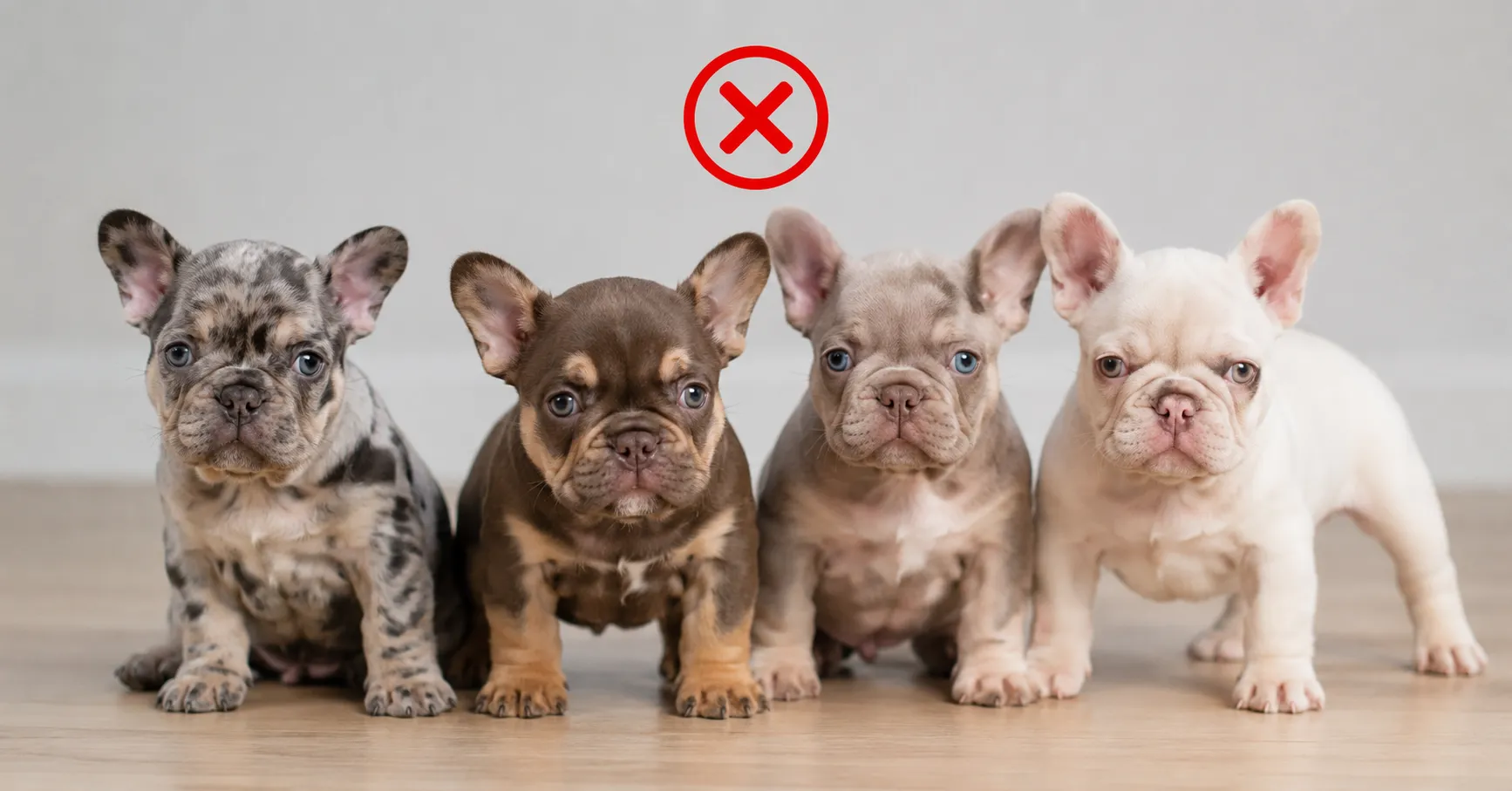
Steer clear of Merle, solid Black, all-Blue, and Black-and-Tan Frenchies. These shades aren’t AKC-recognized and often come from risky breeding practices linked to deafness, blindness, skin allergies, and other health problems. A healthy pup matters way more than a rare coat colour.
Not every French Bulldog color is safe or even legal to breed. Some of the trendiest shades on Instagram are actually linked to serious health problems, and reputable breeders won’t touch them. In this guide, we’re breaking down the French Bulldog colors to avoid, why they exist in the first place, and what to look for instead if you want a healthy, happy pup.
Why Coat Color Can Affect a French Bulldog’s Health
Coat color in Frenchies comes down to genetics, and one gene in particular causes most of the trouble: the dilution gene. This is what gives dogs those pale, faded coats in blue, lilac, and merle. Basically, it weakens the natural black or brown pigment, so instead of a rich, solid color, you get that washed-out look.
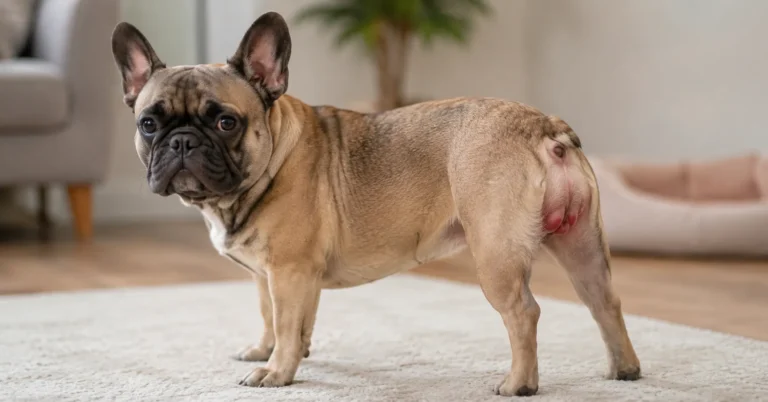
Sounds harmless, but here’s the catch: dogs with this gene are far more prone to a skin condition called Color Dilution Alopecia. It leads to hair thinning, dry patches, and skin infections that tend to recur. Merle dogs face a separate risk, too.
When two merle Frenchies are bred together, their puppies have a much higher chance of being born deaf, blind, or both. So that “rare” coat people chase online often comes with health problems most buyers never see coming until it’s too late.
Merle French Bulldogs: The Biggest Health Concern
Merle might be the most talked-about French Bulldog color online, but it’s also the one that raises the most red flags. Here’s the thing, Merle was never part of the original French Bulldog gene pool. Breeders introduced it by crossing Frenchies with other merle breeds, most likely Chihuahuas, just to create that flashy marbled coat. That shortcut came with consequences, which is exactly why most kennel clubs, including the AKC, won’t touch it.
Hearing Loss and Deafness Risk
The gene behind the merle pattern doesn’t just affect coat color it also interferes with how the ear develops. That’s why Merle Frenchies are born deaf far more often than dogs with standard colors. Breed two merles together, and the odds get even worse, since “double merle” litters frequently produce puppies that can’t hear at all.
Vision Problems and Eye Abnormalities
Eyes take a hit too. Merle puppies are more likely to have small, misshapen eyes, extreme light sensitivity, or partially or fully impaired vision. Some are born with eyes that never fully develop. It all traces back to the same rogue pigment gene that causes the marbled coat, so the pattern people find so eye-catching is often tied directly to the eyes not working properly.
Why Merle Isn’t a Natural French Bulldog Color
Real, purebred French Bulldogs simply don’t carry the merle gene; it was never in their bloodline to begin with. It only exists in the breed today because someone crossed in an outside dog to chase a trend, then kept breeding those offspring to keep the look going. That’s the real reason Merle gets rejected by the AKC and other breed clubs: it didn’t come from French Bulldog genetics; it came from mixing breeds.
Blue and Lilac French Bulldogs: Color Dilution Alopecia
Blue and lilac Frenchies get a ton of love for that soft, smoky coat color, but there’s a downside most people don’t hear about until it’s too late. The same gene that creates that pastel look is also behind a skin condition called Color Dilution Alopecia. If you’re considering a blue or lilac pup, this is one thing you really want to know going in.
What Is Color Dilution Alopecia (CDA)?
CDA shows up almost exclusively in dogs with diluted coat colors, so blue and lilac Frenchies are right in the danger zone. The gene that fades their coat also makes hair follicles weaker than they should be, and over time, that leads to hair falling out in patches, along with skin that’s thinner and more sensitive than normal. It’s not something the owner caused, and it’s not contagious; it’s baked into the dog’s genetics, and it usually starts creeping in during the first couple of years of life.
Skin and Coat Symptoms to Watch For
It usually starts small, a coat that looks a little dry or dull, maybe some thinning around the back and sides. From there, it tends to get worse, with bald spots appearing, skin turning flaky or scaly, and sometimes small bumps that look almost like acne. Because the skin’s natural protection is compromised, infections become a lot more common, too. Catching it early makes a real difference, since a vet can help keep it under control even though it can’t be cured outright.
Are All Blue/Lilac Frenchies Affected?
Not every blue or lilac Frenchie develops CDA, but their odds are way higher than those of a dog with a standard coat color. Some carry the gene their entire lives without ever showing symptoms, while others start losing patches of fur before their first birthday. There’s really no way to predict ahead of time which dogs will end up affected, and that unpredictability is exactly why a lot of vets and honest breeders steer people away from these colors in the first place.
Chocolate & Isabella French Bulldogs: Skin Sensitivity Risks
Chocolate and Isabella Frenchies don’t carry the same red flags as merle or blue, but they’re not exactly risk-free either. Both colors come from rare recessive genes, and getting them to show up usually means breeders are working with a much smaller gene pool, sometimes even breeding close relatives just to lock the color in.
That kind of limited breeding tends to bring skin problems along with it: dry, flaky skin, allergies, and coats that get irritated way more easily than you’d see on a standard fawn or brindle. Isabella takes it a step further since it’s basically a diluted version of chocolate, meaning it’s stacking two rare genes on top of each other instead of just one. Neither color is a dealbreaker by itself, but it’s rarely the color causing the trouble; it’s how far breeders had to push things to get it.
Disqualified French Bulldog Colors (AKC Standard)
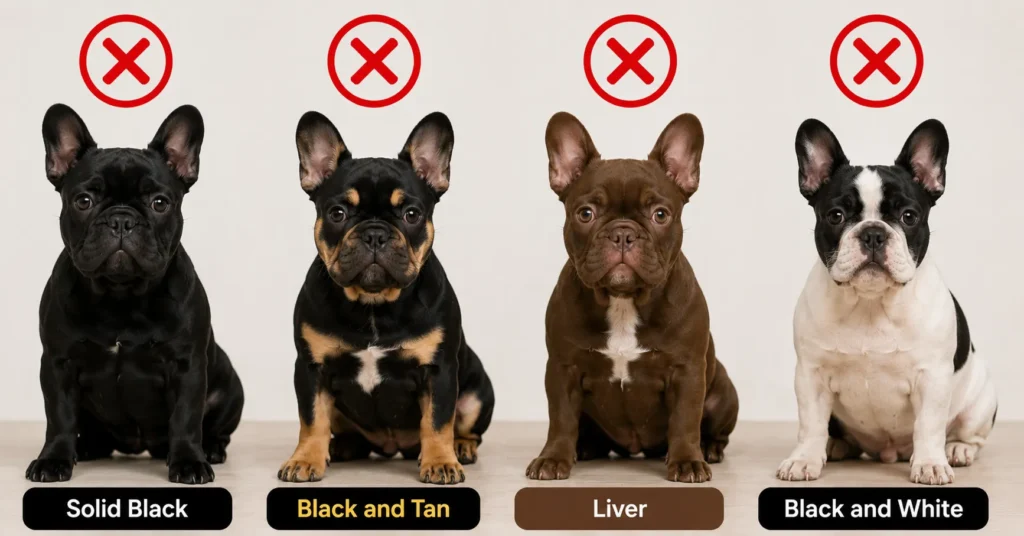
Just because a color shows up on a French Bulldog doesn’t mean the AKC accepts it. A handful of colors are straight-up disqualified from the show ring and from most responsible breeding programs, either because they stray from the official standard or because they raise health flags. For the complete breakdown of every recognized and rare shade, check out our French Bulldog Colors Guide and AKC Standard Chart. Quick rundown below before we break each one down.
| Color | Why Disqualified | Health Note |
| Solid Black | Missing the required brindle pattern, doesn’t fit the standard | No major health risks tied to it, mostly a standard-compliance issue |
| Black and Tan | Looks too close to Doberman-style markings, not a natural Frenchie trait | Usually points to crossbreeding, no serious health concerns on its own |
| Liver | Rare recessive shade that falls outside the official standard | Comes with some skin sensitivity, similar to chocolate and Isabella |
| Black and White | Markings don’t match anything the AKC recognizes | Mostly a technicality, not a real health concern |
Solid Black
A Frenchie with a solid black coat and no trace of brindle doesn’t meet the AKC standard. The breed’s supposed to show at least some brindle pattern, and without it, the dog gets marked as off-standard, even though there’s usually nothing wrong with the dog’s health.
Black and Tan
Those tan patches sitting on top of a black coat, kind of like a Doberman’s markings, aren’t something you’d naturally see in a purebred Frenchie. It’s usually a giveaway that another breed got mixed in somewhere down the line. It won’t hurt the dog’s health, but it does mean the dog isn’t a true representation of the breed.
Liver
Liver is that rare reddish-brown shade that never made it into the accepted standard. It tends to show up the same way other dilute colors do, through limited breeding, and that can bring on skin sensitivity issues similar to what you’d see in chocolate or Isabella Frenchies.
Black and White
This one simply doesn’t match any recognised marking pattern for the breed. It’s more of a paperwork issue than a health one. On its own, it’s not linked to any real health risks; it just doesn’t fit the standard Frenchie look.
Why “Rare” Doesn’t Mean Healthier
A lot of people assume that rare means better, but with French Bulldogs, it’s usually the opposite. These unusual colors didn’t happen naturally; breeders chased them on purpose, often by crossing in other breeds or pairing dogs that were too closely related just to make that color pop up more often.
None of that has anything to do with making the dog healthier or better built; it’s purely about chasing a look people will pay extra for. A breeder who actually knows what they’re doing is focused on healthy parents, proper genetic testing, and good temperament, not whatever shade is blowing up on social media that month.
So next time you see a rare-colored pup priced way higher than a standard fawn or brindle, understand that price tag is about rarity and hype, not quality. In a lot of cases, these colors actually come with more health baggage, not less.
How to Choose a Healthy French Bulldog Regardless of Color
Coat color aside, what really matters is what’s going on with the dog’s health. Before you put down a deposit on any French Bulldog puppy, run through this checklist first:
- Ask to see health testing results. A breeder who does things right will have paperwork for hip and knee screening, heart checks, and testing related to breathing issues, and they’ll hand it over without making excuses.
- Try to meet the parents in person. Seeing mom and dad up close tells you a lot; pay attention to how they breathe, how they move, and their overall energy level.
- Ask how long they’ve been breeding this line. Someone who’s serious about it knows their dogs’ history going back several generations and won’t dodge questions about past health problems.
- Pay attention to how they talk about color. If a breeder spends more time hyping up a rare color than talking about health, walk away. The good ones lead with health, not looks.
- Watch the puppy itself. Even young pups can show warning signs; listen for snoring or wheezing and watch how easily they move around.
- Make sure you get things in writing. A real health guarantee and proper documents matter way more than a breeder just telling you “trust me.”
At the end of the day, a healthy Frenchie in an everyday color beats a rare one with a questionable health background, every single time.
Frequently Asked Questions
Are Merle French Bulldogs unhealthy?
Not always, but the risk is high. Merle is tied to deafness, blindness, and other eye problems, especially when two merle dogs are bred together.
Is blue a bad color for French Bulldogs?
Blue isn’t inherently bad, but the dilute gene behind it often leads to Color Dilution Alopecia and skin infections.
Should I avoid buying a rare-colored French Bulldog?
If health is your priority, standard colors like fawn and brindle are the safer choice. Rare colors cost more but usually don’t mean better quality.
Do disqualified colors mean the dog is unhealthy?
Not always. Some, like black and tan, are just standard issue, while others, like liver, carry a higher risk of skin sensitivity.
How can I verify that a breeder health-tests for color-related issues?
Ask for genetic testing results and health clearances upfront. A good breeder hands this over without hesitation.
What is the healthiest color for a French Bulldog?
Fawn, brindle, cream, and black are considered the healthiest, since they’ve been part of the breed the longest and don’t carry extra dilute genes.
Why do rare-colored French Bulldogs cost more?
It comes down to demand, not health. Blue, lilac, and merle Frenchies sell for thousands more, even though they carry more risk, not less.
Can a French Bulldog be black and still be purebred?
Yes. Solid black is genetically purebred; it’s just not accepted by the AKC standard since it lacks any trace of brindle.
What does “fad color” mean in French Bulldogs?
It refers to a coat color disqualified by the breed standard, usually blue, chocolate, black and tan, or merle, bred mainly for profit.
Conclusion
At the end of the day, color shouldn’t be the deciding factor when you’re picking out a French Bulldog. Sure, merle, blue, lilac, and those other rare or disqualified shades look eye-catching, but they usually come bundled with real problems, skin issues, hearing loss, vision trouble, you name it.
A healthy Frenchie in a standard color like fawn or brindle is almost always going to save you money at the vet and give you more good years together than a trendy-colored pup with a questionable background. Do your homework on the breeder, ask about health testing before you ask about color, and let looks be the very last thing on your list.

Sarah Mitchell has been raising French Bulldogs for over 9 years in Austin, Texas. After adopting her first Frenchie, Biscuit, she became passionate about helping new owners navigate the unique needs of the breed from breathing care to diet and heat safety. Sarah has worked closely with local veterinarians and attended the AKC National Championship three times as a breed enthusiast. Her guides focus on practical, real-world advice for American Frenchie owners.