Why Does My French Bulldog Drool So Much? Causes and Red Flags
Introduction
If you are asking why does my french bulldog drool so much, heat should be your first safety check in this breed. Our guide on how to cool down a French Bulldog covers safe first steps.
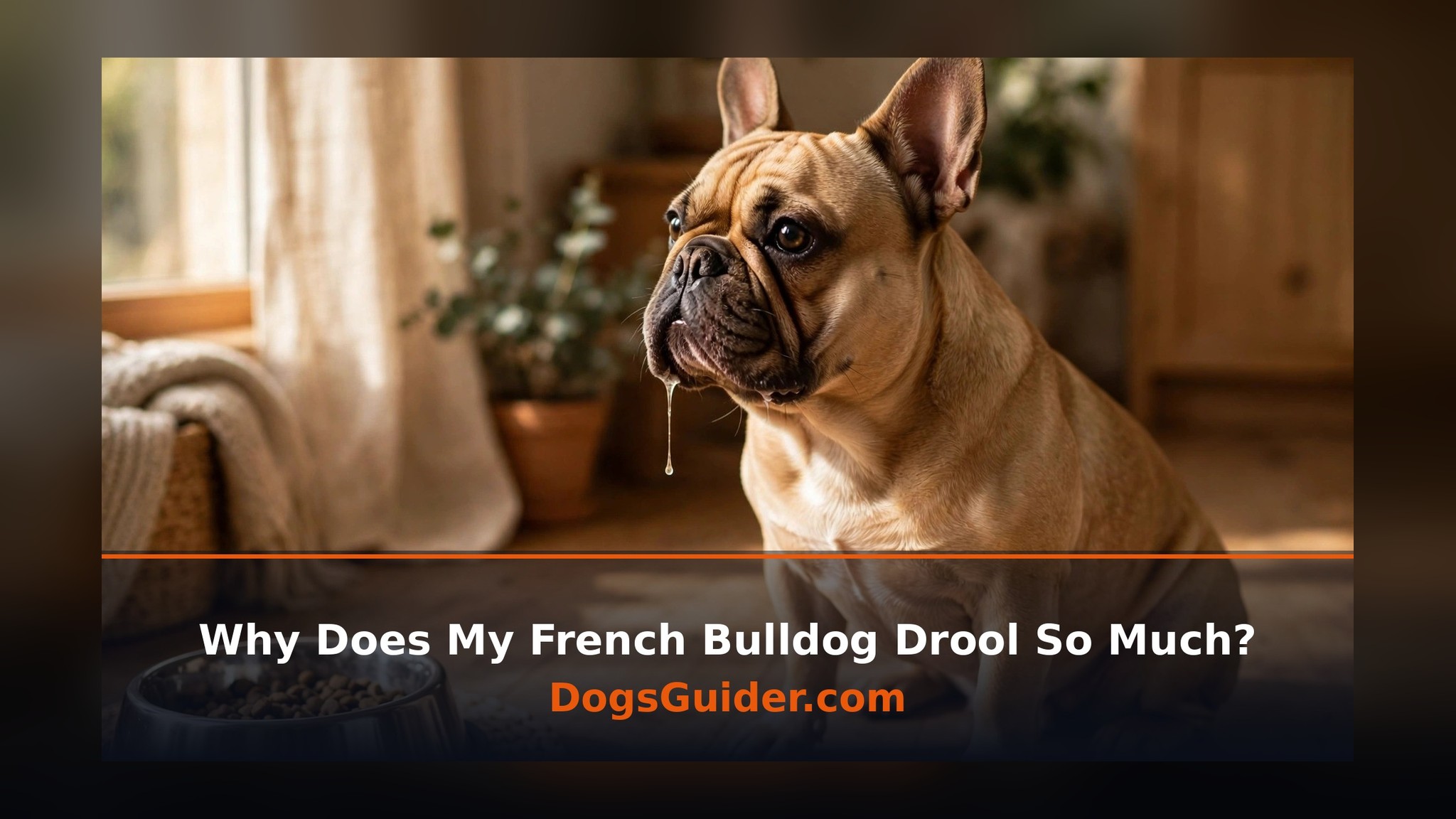
Some drool is simply French Bulldog design. Loose lips and a short face let saliva escape more easily than in tight lipped breeds, especially around food and excitement.
New, sudden, or heavy drooling is different. A change in drooling can point to heat stress, nausea, mouth pain, or something stuck in the mouth that needs prompt help.
This guide explains normal Frenchie drool, the common triggers, and the red flags clearly. It cannot diagnose your dog, but it can help you decide how fast to act.
Quick Answer: French Bulldogs drool more than many breeds because of their loose lips and short muzzle. Excitement, food anticipation, car travel, stress, and heat commonly increase drooling. Heat is the urgent one in this breed. A drooling Frenchie who is panting hard, restless, or weak after heat or exercise needs cooling and veterinary help fast. Sudden heavy drooling, pawing at the mouth, gagging, or drooling with lethargy are red flags. Do not wait and watch those signs at home.
Normal Drool: The Breed Anatomy
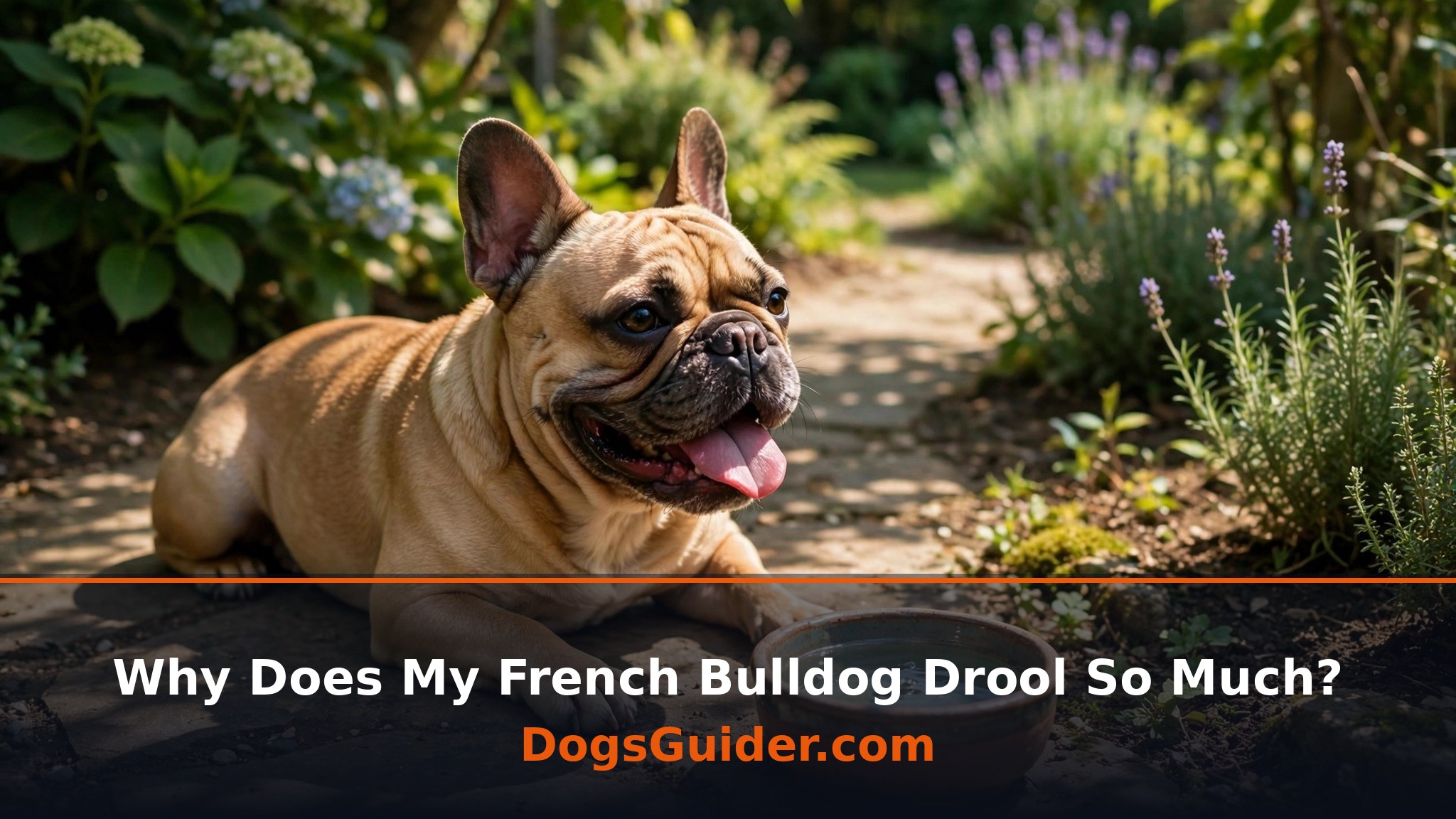
French Bulldogs have loose, heavy lips and a shortened muzzle. That combination holds saliva less neatly than the mouth of a long faced, tight lipped breed.
Many Frenchies drool a little during sleep, after drinking, or whenever food appears. A damp chin at those times is usually just the breed being itself.
Baseline drool becomes familiar quickly. You learn what your own dog normally produces, which makes a genuine change much easier to spot later.
Judge drool by change, not by puddle size alone. Drooling that is new for your dog, much heavier than usual, or paired with other signs deserves attention.
Heat and Excitement: The Everyday Triggers
Excitement is a classic drool trigger. Visitors, play, favourite toys, and the sound of food preparation can all switch on saliva in an eager Frenchie.
Anticipation works the same way. Dogs drool while watching you eat because their body prepares for food, even food they are never going to receive.
Car rides trigger drooling in many dogs, often through a mix of excitement, stress, and motion related nausea. Puppies commonly drool in cars before they mature.
Mild trigger based drooling settles when the trigger ends. If your dog calms down, cools down, and the drooling fades, it was probably situational.
Heat Warning: The One to Take Seriously First
French Bulldogs are brachycephalic, which means their short airways make breathing and cooling inefficient. Panting is their main cooling method, and it works poorly in heat.
Heat and heavy panting increase drooling, and the combination can move toward overheating fast. This breed can deteriorate quickly once heat stress takes hold.
Move a hot, drooling Frenchie into shade or air conditioning immediately. Offer cool drinking water, and follow the safe steps in our guide on how to cool down a French Bulldog.
Never use ice cold water or delay help to see if things improve. Our article on French Bulldog heat stroke and death explains how fast this emergency develops.
Heavy drooling with thick saliva, frantic panting, weakness, vomiting, or collapse after heat is an emergency. Start cooling and contact a vet or emergency clinic straight away.
Nausea and Digestive Upset
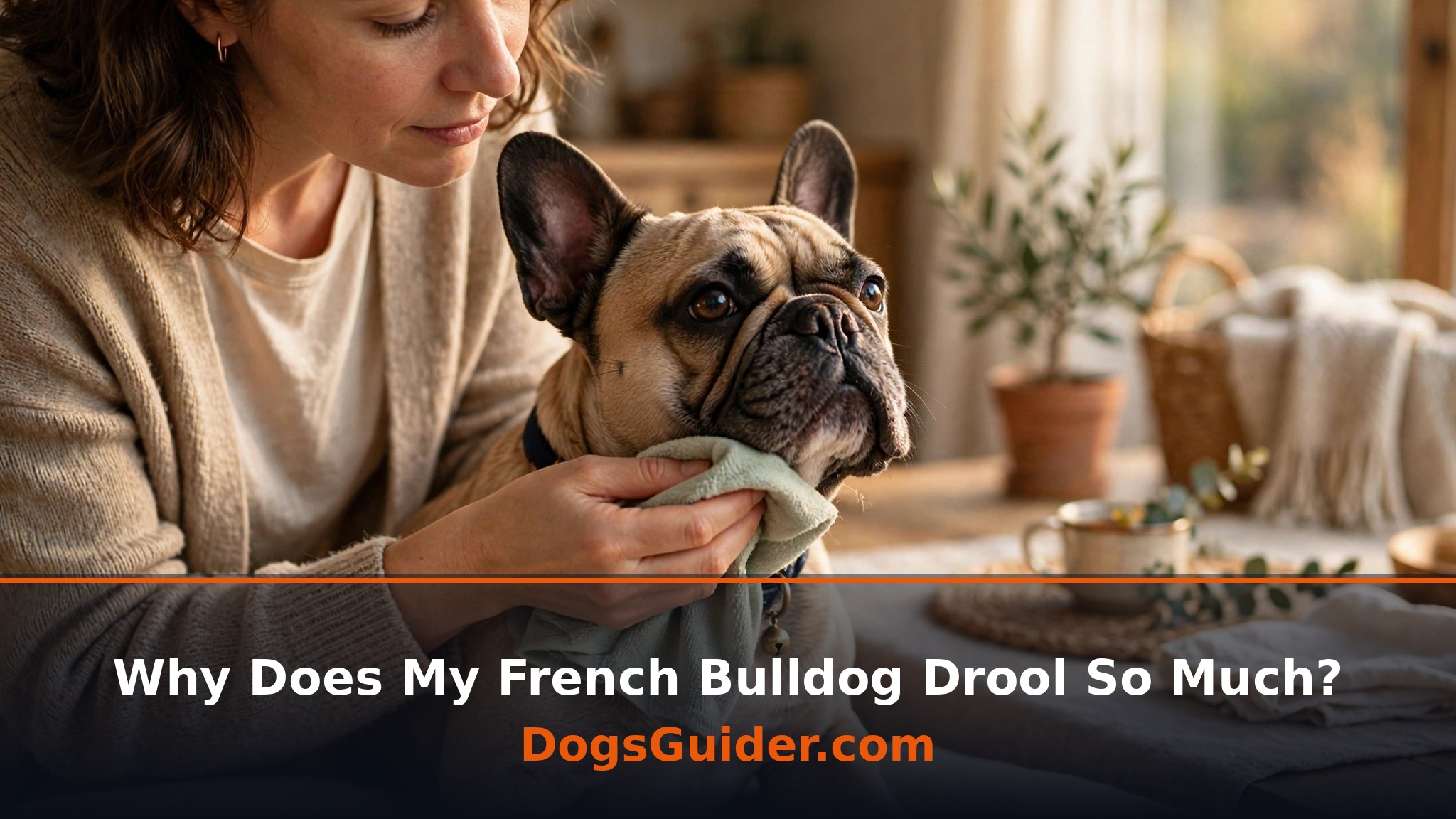
Drooling is a well known sign of nausea in dogs. A nauseous Frenchie may drool, lick their lips repeatedly, swallow often, and eat grass or refuse food.
Travel sickness, stomach upset, and eating something unsuitable can all cause this pattern. The drooling often appears just before vomiting happens.
Stress can add to it. Some dogs drool when anxious, including dogs who panic when left, as described in our guide to French Bulldog separation anxiety.
A dog who may have swallowed something harmful needs prompt veterinary advice, even before other signs appear. Do not wait for severe symptoms to develop first.
Nausea drooling that keeps returning, or comes with repeated vomiting, diarrhea, or appetite loss, needs a vet visit rather than home monitoring.
Dental and Mouth Problems
Mouth pain produces drool. Tooth problems, sore gums, mouth injuries, and objects stuck between the teeth or across the mouth can all increase saliva sharply.
Dental disease also brings odour. Strong mouth smell alongside new drooling is a useful clue, and our guide to why a French Bulldog smells covers mouth odour in context.
Watch how your dog eats. Chewing on one side, dropping food, avoiding hard food, or pawing at the face can all point toward mouth discomfort.
You can look gently if your dog allows it, but never force the mouth open. A painful dog may bite, and hidden mouth problems need professional examination.
Drool Red Flags: Act Promptly
Some drooling patterns should never be watched at home. The list below means contact your vet promptly, or an emergency clinic outside normal hours.
Red flags that need a vet promptly:
- Sudden drooling that is much heavier than your dog’s normal baseline
- Pawing at the mouth, rubbing the face, or obvious mouth discomfort
- Gagging, retching, drooling strands of saliva, or trouble swallowing
- Drooling together with lethargy, weakness, or a dog who seems unlike themselves
- Drooling with vomiting, diarrhea, bloating, or refusal to eat or drink
- Heavy panting, breathing difficulty, noisy breathing, or collapse in any situation
- Drooling after possible access to something harmful, toxic, or sharp
- One sided drooling, facial swelling, or drooling with a strong mouth odour
Sudden drooling plus pawing at the mouth often means something hurts or something is stuck. That combination should be checked the same day wherever possible.
Drooling with lethargy is especially important. A quiet, weak, drooling dog is not a wait until tomorrow dog, whatever the underlying cause turns out to be.
Safe Home Checks
Start with temperature and context. If your dog is hot, has just exercised, or has been in a warm car or room, cool first and assess second.
Offer fresh water and watch whether your dog drinks normally. Struggling to swallow, or drooling while refusing water, raises the urgency of a vet call.
Do a calm visual check. Look at the lips, chin, and visible teeth without forcing anything, and note any swelling, injury, or stuck material you can see safely.
Write down the timeline. When the drooling started, what your dog ate, where they have been, and any other signs will help your vet enormously.
What Not to Do
Do not put your fingers deep into a drooling dog’s mouth to search for objects. A distressed or painful dog can bite hard without meaning to.
Do not give human medication or home remedies for nausea or pain. Products meant for people can be dangerous for dogs and can hide important signs.
Do not delay because the drooling slows down briefly. Mouth problems, nausea, and heat stress can all fluctuate while the underlying cause continues.
Do not exercise a drooling dog to tire them out, and never walk a drooling, panting Frenchie in warm weather to see if it passes.
When It Is Probably Harmless
Drooling is usually harmless when it matches a clear trigger. Food anticipation, excitement, and brief car ride nerves are the most common harmless patterns.
The dog should look bright, breathe comfortably, and return to their normal self soon after the trigger ends. Eating and drinking should stay normal.
Sleep drool and post drink dribbles also sit in the harmless camp for most Frenchies. A damp chin alone, in a happy dog, is rarely a concern.
Keep the baseline rule in mind anyway. Any drooling that is new, unexplained, and still present the next day deserves a call to your vet.
The Bottom Line
French Bulldogs drool because of how they are built, and excitement, food, stress, and car rides turn the tap up further. That drool is normal breed life.
Changes matter more than amounts. Sudden heavy drooling, pawing at the mouth, and drooling with lethargy, vomiting, or breathing trouble all mean a vet promptly.
Heat sits above everything for this breed. Cool an overheated Frenchie immediately and get veterinary help fast, because heatstroke can become life threatening quickly.
References
- American Kennel Club, excessive drooling in dogs guidance, https://www.akc.org/
- PetMD, drooling in dogs causes and when to worry, https://www.petmd.com/
- VCA Animal Hospitals, heatstroke and nausea in dogs client education, https://vcahospitals.com/
- RSPCA, heatstroke in dogs prevention and first aid advice, https://www.rspca.org.uk/
- Merck Veterinary Manual, excessive salivation in dogs owner guidance, https://www.merckvetmanual.com/
FAQs
1. Why does my French Bulldog drool so much when sleeping?
Loose lips let saliva escape during deep sleep, and many Frenchies wake with a damp chin. Sleep drool in an otherwise bright, healthy dog is usually harmless.
2. Why does my French Bulldog drool in the car?
Car drooling usually comes from motion related nausea, excitement, or travel stress. Puppies often improve with age and short, positive trips, but persistent sickness deserves vet advice.
3. Can heat make a French Bulldog drool more?
Yes. Heat increases panting and drooling, and this breed cools poorly. A hot, heavily drooling Frenchie needs immediate cooling and fast veterinary help if signs look strong.
4. Why is my French Bulldog drooling and pawing at their mouth?
That combination often means mouth pain or something stuck in the mouth. Do not search with your fingers. Book a prompt vet examination instead.
5. When should drooling be treated as an emergency?
Treat drooling as an emergency with breathing difficulty, collapse, severe lethargy, repeated vomiting, bloating, or signs of heatstroke. Start cooling if heat is involved and call a vet.
6. Can teething make a French Bulldog puppy drool?
Puppies often drool more while teething and while exploring the world with their mouths. Drooling with lethargy, vomiting, or appetite loss in a puppy still needs veterinary advice.
7. Why does my French Bulldog drool when I eat?
Food anticipation switches on saliva production, and Frenchie lips hold it poorly. It is a normal response, though feeding your dog from your plate encourages more begging drool.

Sarah Mitchell has been raising French Bulldogs for over 9 years in Austin, Texas. After adopting her first Frenchie, Biscuit, she became passionate about helping new owners navigate the unique needs of the breed from breathing care to diet and heat safety. Sarah has worked closely with local veterinarians and attended the AKC National Championship three times as a breed enthusiast. Her guides focus on practical, real-world advice for American Frenchie owners.