
Introduction
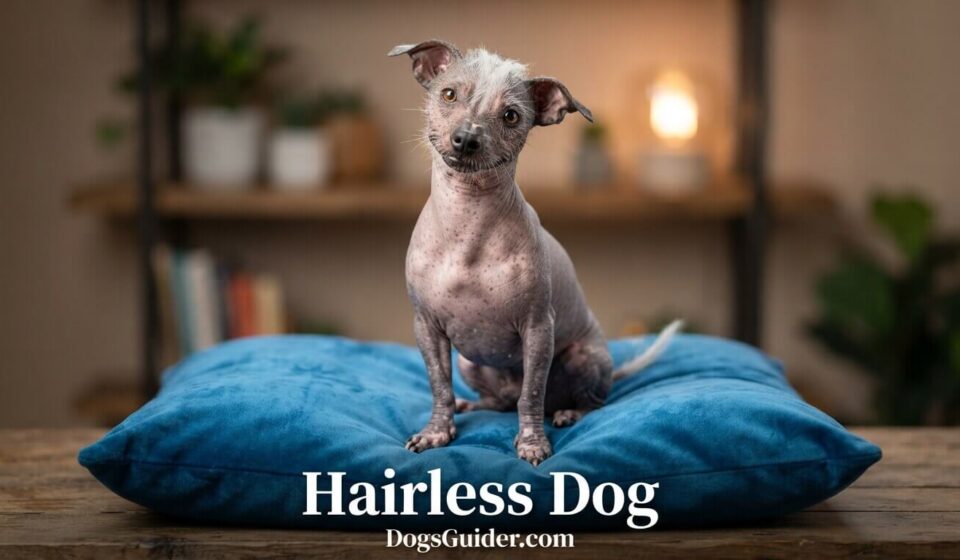
These striking, ancient breeds have been prized for thousands of years, from Aztec companions to modern apartment pets.
This guide covers every recognized hairless dog breed, what makes their skin different from a coated dog’s, and the specific care a hairless dog needs to stay healthy and comfortable.
What Makes a Dog “Hairless”?
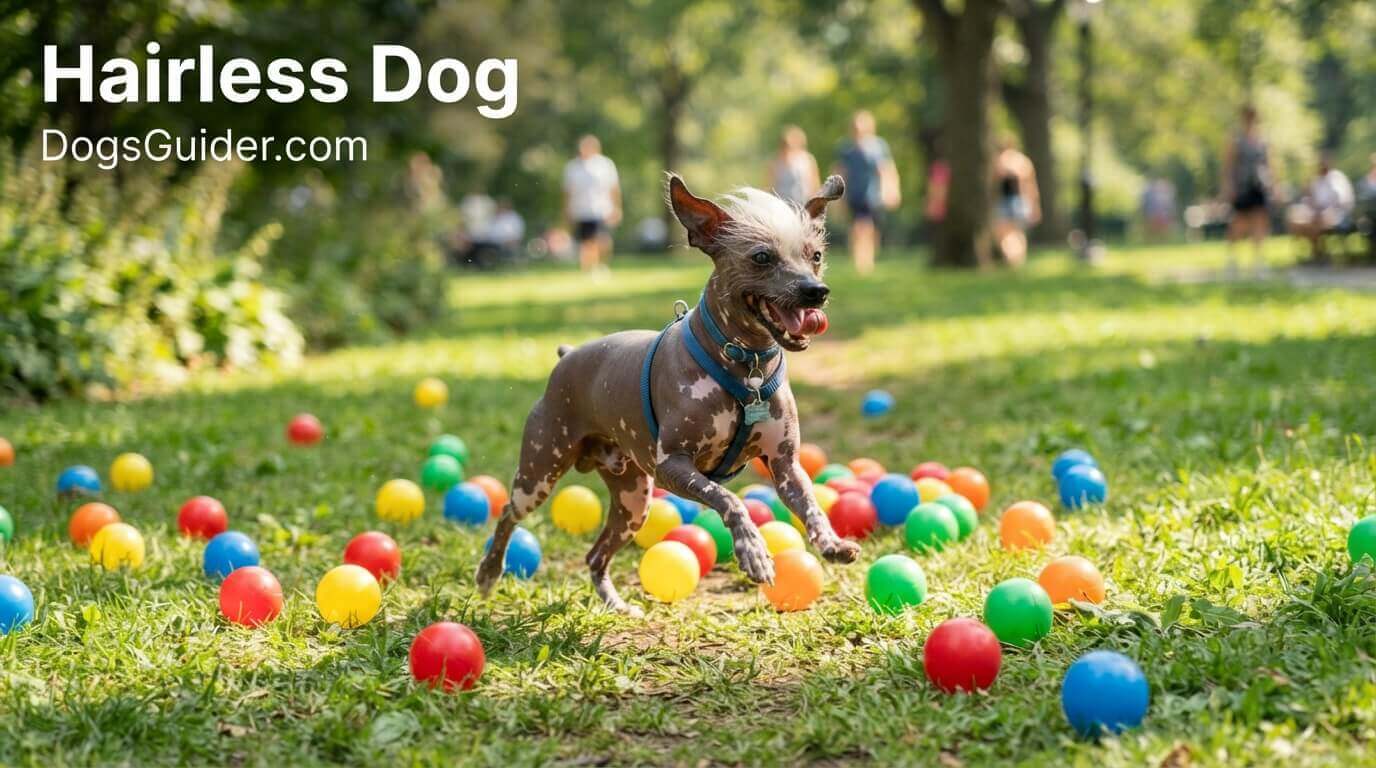
A hairless dog carries a genetic mutation that suppresses hair follicle development across most of the body, though many hairless breeds still have some hair, often a tuft on the head, tail, or feet.
This mutation is dominant but, interestingly, prenatally lethal when a puppy inherits two copies of the gene, which is why nearly every hairless breed also has a coated variety within the same litter possibilities.
The Recognized Hairless Dog Breeds
1. Xoloitzcuintli (Mexican Hairless Dog)
Pronounced “show-low-eats-QUEENT-lee,” the Xolo is a roughly 3,000-year-old breed and the official dog of Mexico.
This hairless dog comes in toy, miniature, and standard sizes and is known for being loyal, alert, and deeply devoted to family, though naturally wary of strangers.
2. Peruvian Inca Orchid
A national symbol of Peru, the Peruvian Inca Orchid is an elegant, sighthound-type hairless dog available in small, medium, and large sizes. Their smooth skin has a silky feel, and they’re known for being affectionate with family while cautious around unfamiliar people.
3. Chinese Crested
One of the most recognizable hairless dog breeds, the Chinese Crested comes in two varieties: “hairless” (with tufts of hair on the head, tail, and feet) and “powderpuff” (with a full soft coat). Both varieties can appear in the same litter, and both are affectionate, loyal companions.
4. American Hairless Terrier
The only hairless dog breed native to the United States, this terrier’s history traces back to the 1970s, when a hairless puppy was born into a litter of Rat Terriers in Louisiana.
Playful, high-energy, and intelligent, the American Hairless Terrier is the only fully AKC-recognized hairless dog breed without tufts of hair anywhere on its body.
5. Hairless Chihuahua
Technically not a separate breed, the hairless Chihuahua results from a genetic mutation within the standard Chihuahua breed. They share the same temperament and size as their coated counterparts, just without the fur.
6. Abyssinian Sand Terrier (African Hairless Dog)
A rare hairless dog breed believed to originate in Ethiopia, this medium-sized breed has smooth skin in shades of gray, bronze, or sand, often with mottled markings. They’re calm, loyal, and thrive in warm climates.
7. Argentine Pila Dog
Rare outside its native Argentina, this hairless dog is affectionate, adaptable, and known for silky-feeling skin. It is not yet an internationally standardized breed but remains a beloved companion in its home country.
8. Hairless Khala
Native to Bolivia, the Hairless Khala is a social, playful hairless dog that thrives with attentive families. Their bare skin is especially prone to sunburn, making moisturizer and shade essential.
Which Hairless Dog Breeds Are AKC-Recognized?
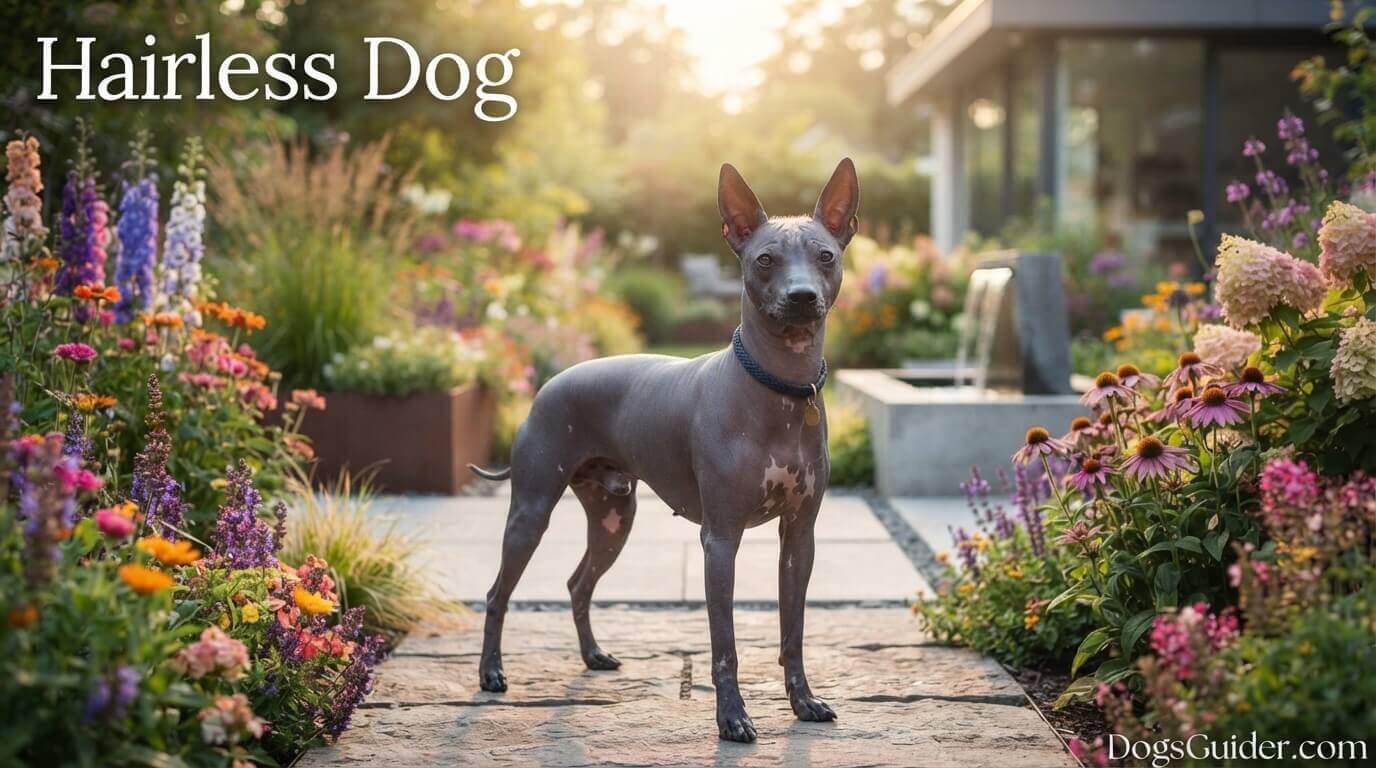
Of all the hairless dog breeds, only four are currently recognized by the American Kennel Club: the American Hairless Terrier, Peruvian Inca Orchid, Xoloitzcuintli, and Chinese Crested.
The rest, including the Argentine Pila Dog, Abyssinian Sand Terrier, and Hairless Khala, remain rare, unstandardized, or primarily found within their country of origin.
Is a Hairless Dog Hypoallergenic?
A hairless dog produces significantly less loose hair and trapped dander than a coated breed, which is why many allergy-prone owners consider them.
However, no dog, hairless or not, is completely allergen-free, since dander, saliva, and skin cells still contribute to allergic reactions.
If allergies are a primary concern, spend time with the specific breed (and ideally the specific dog) before committing.
Hairless Dog Skin Care: What’s Different
Without a coat to provide natural protection, a hairless dog’s skin needs a care routine that a furry breed simply doesn’t require:
Sun Protection
Bare skin sunburns just like human skin. Apply dog-safe sunscreen before outdoor time, especially during peak sun hours, and consider a light UV-protective shirt for extended time outside.
Moisturizing
Hairless dog skin can dry out and crack without regular care. A gentle, dog-specific moisturizer applied a few times a week keeps skin supple and comfortable.
Temperature Regulation
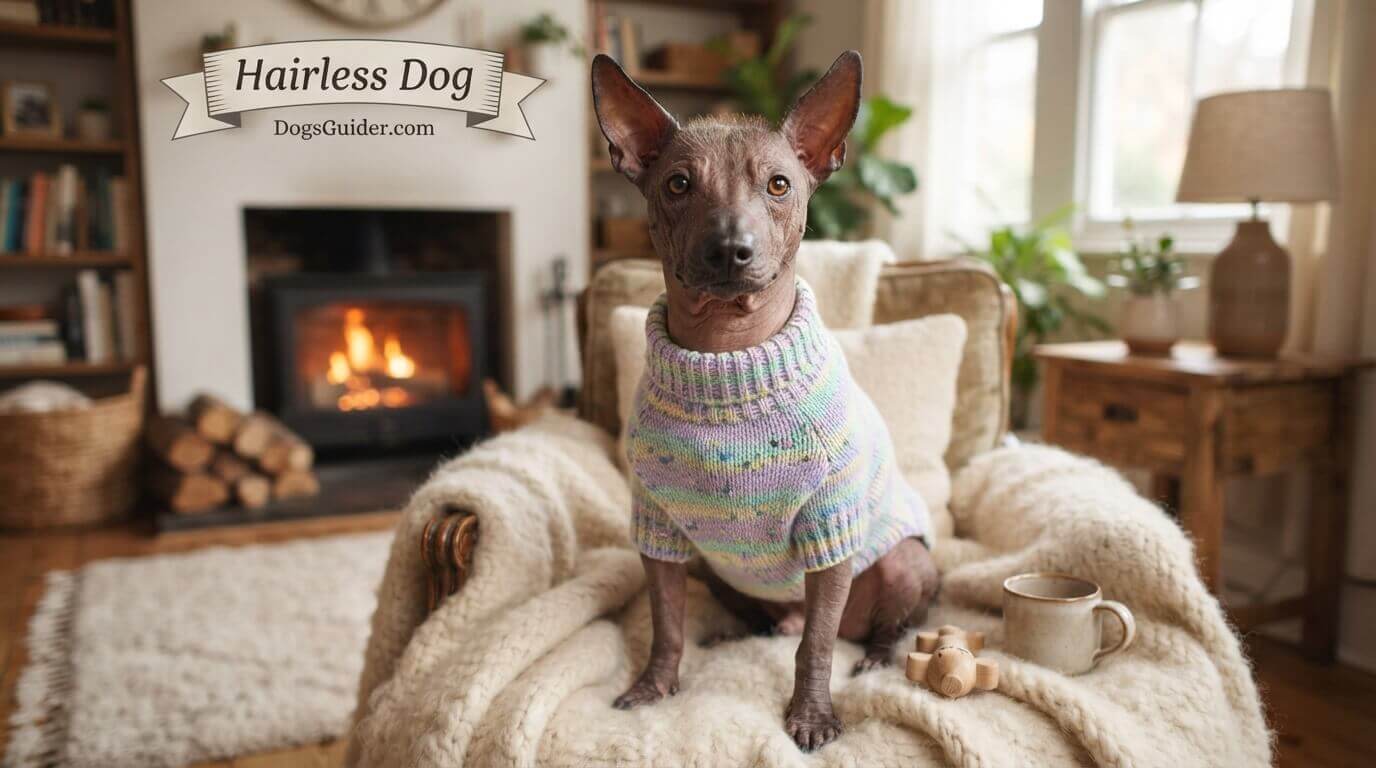
Without a coat for insulation, a hairless dog gets cold more easily in low temperatures and needs a sweater or coat in cool weather, while also needing shade and hydration to avoid overheating in direct sun.
Acne and Blemishes
Some hairless dog breeds, particularly the Xoloitzcuintli, are prone to skin blemishes similar to acne. Regular gentle cleansing helps manage this.
Bathing
Because there’s no coat to trap oil and dirt, most hairless dog breeds only need bathing every 1-2 weeks, using a mild, moisturizing dog shampoo to avoid over-drying the skin.
Is a Hairless Dog Right for You?
- Good fit if: you want minimal shedding, have mild allergies, enjoy a low-brushing routine, and are prepared for sun and temperature care
- Consider carefully if you live in a very cold or very sunny climate without the ability to manage temperature exposure, or you’re not prepared for a daily skin-care routine
Final Thoughts
A hairless dog offers a striking, low-shedding alternative to traditional coated breeds, but that bare skin comes with its own care routine: sun protection, moisturizing, and temperature management all matter more than they would for a furry companion.
Whether you’re drawn to the ancient Xoloitzcuintli, the elegant Peruvian Inca Orchid, or the playful American Hairless Terrier, understanding these skin-care needs upfront will help your hairless dog thrive for years to come.
FAQs
1. What is the most popular hairless dog breed?
The Chinese Crested and Xoloitzcuintli are among the most well-known and popular hairless dog breeds, both recognized by the AKC and widely available through reputable breeders.
2. Do hairless dogs need sunscreen?
Yes. A hairless dog’s bare skin is vulnerable to sunburn just like human skin, so dog-safe sunscreen is recommended during outdoor time, especially in strong sunlight.
3. Are hairless dogs hypoallergenic?
Hairless dogs produce less dander and shed far less than coated breeds, making them a popular choice for allergy sufferers, but no dog is completely allergen-free.
4. Do hairless dogs get cold easily?
Yes. Without a coat for insulation, a hairless dog is more sensitive to cold temperatures and typically needs a sweater or coat during cool weather.
5. How often should you bathe a hairless dog?
Most hairless dog breeds only need bathing every 1-2 weeks with a mild, moisturizing shampoo, since there’s no coat trapping oil and dirt against the skin.
6. Which hairless dog breeds are recognized by the AKC?
The American Kennel Club currently recognizes four hairless dog breeds: the American Hairless Terrier, Peruvian Inca Orchid, Xoloitzcuintli, and Chinese Crested.

Sarah Mitchell has been raising French Bulldogs for over 9 years in Austin, Texas. After adopting her first Frenchie, Biscuit, she became passionate about helping new owners navigate the unique needs of the breed from breathing care to diet and heat safety. Sarah has worked closely with local veterinarians and attended the AKC National Championship three times as a breed enthusiast. Her guides focus on practical, real-world advice for American Frenchie owners.


[…] owners with mild allergies, hypoallergenic best dogs for first-time owners such as Poodles, Bichon Frises, and Havanese shed very little and produce less dander. No dog is […]
[…] alone isn’t enough. The best guard dog breeds combine three traits working together: a natural watchfulness that doesn’t need to be taught, […]
[…] guide rounds up 30 of the cutest dog breeds, organized by size, along with what makes each one so irresistibly […]
[…] warning: Not every “long haired French Bulldog” advertised online is genuine. Some sellers mix Frenchies with Poodles, Pekingese, or other […]