How to Clean French Bulldog Wrinkles: A Gentle Daily Routine
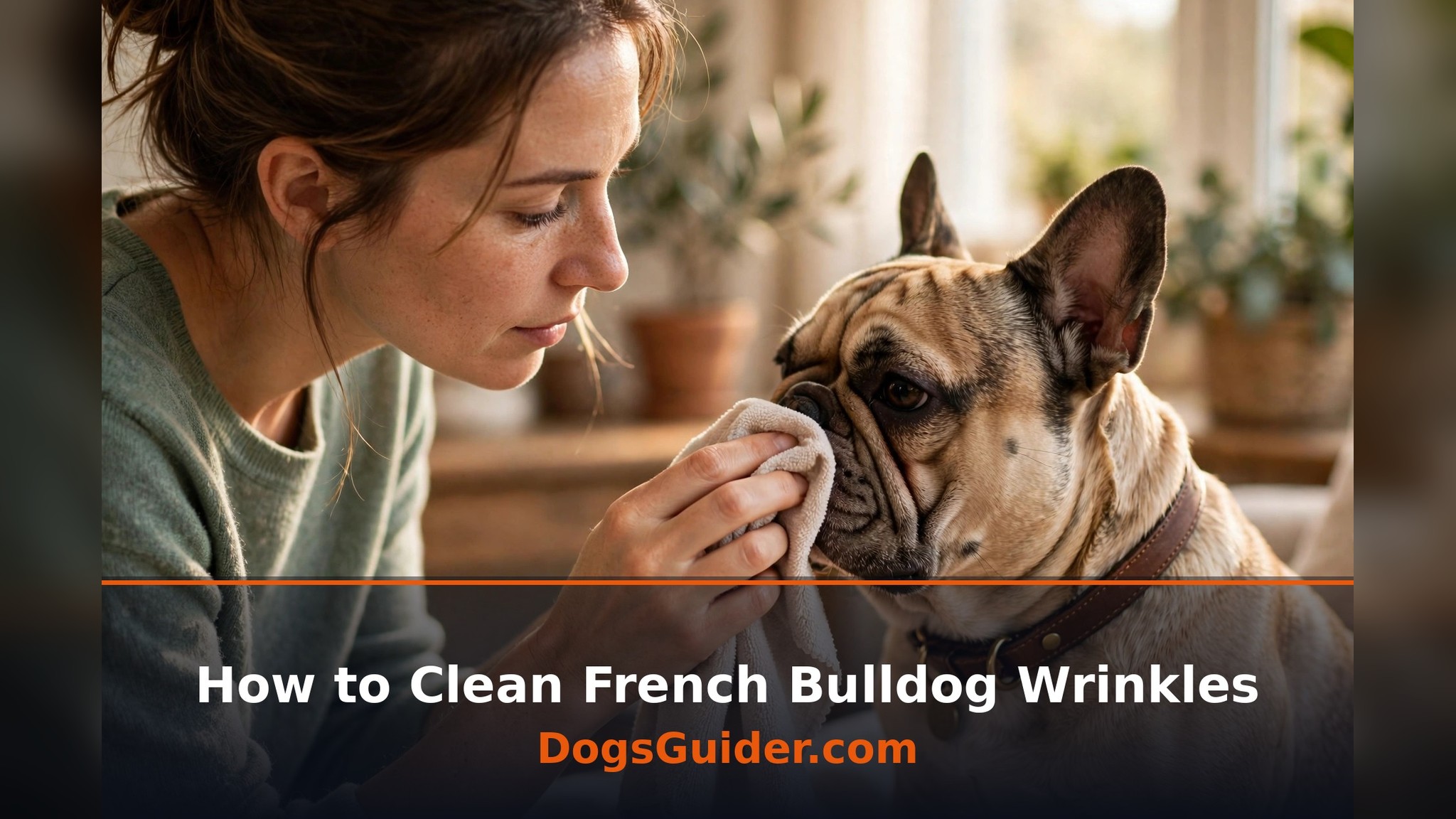
Owners who learn how to clean french bulldog wrinkles properly prevent most fold problems before they start, and the same gentle approach applies to bath day, as our guide on how often to bathe a French Bulldog explains.
Those face folds are adorable, and they are also warm, dark, and slightly damp by design. That combination is exactly where trouble grows.
Food, tears, drool, and everyday dirt settle into the folds. Left sitting there, that moisture and debris irritates the skin underneath.
The good news is that fold care is quick. A gentle wipe and a thorough dry, done most days, takes about two minutes.
This guide covers the exact routine, the products that help, the ones to avoid, and the signs that a fold needs a vet.
Quick Answer: Wipe each fold daily with a soft cloth dampened with warm water or a vet approved, unscented wipe. Then dry every fold completely, because trapped moisture causes most fold problems. See a vet for redness, strong odor, discharge, swelling, sores, or pain in a fold. Never scrub or use scented or alcohol based products.
Why French Bulldog Folds Need Daily Care
Skin folds rub gently against each other all day long. That friction alone can irritate the skin when debris is trapped between the surfaces.
Moisture makes everything worse. A damp fold is the perfect environment for yeast and bacteria to multiply beyond normal levels.
French Bulldogs also have sensitive, allergy prone skin as a breed. Their folds often show the first signs when skin health slips.
Inflamed, infected folds are commonly called fold dermatitis, or intertrigo. Only your vet can diagnose your dog’s skin, but owners spot the early signs.
Daily cleaning removes the moisture and debris before irritation starts. It is prevention, and prevention is far easier than treatment.
A daily check also means you notice changes early. A fold you have looked at every day tells you immediately when something is off.
What You Need (and What to Avoid)
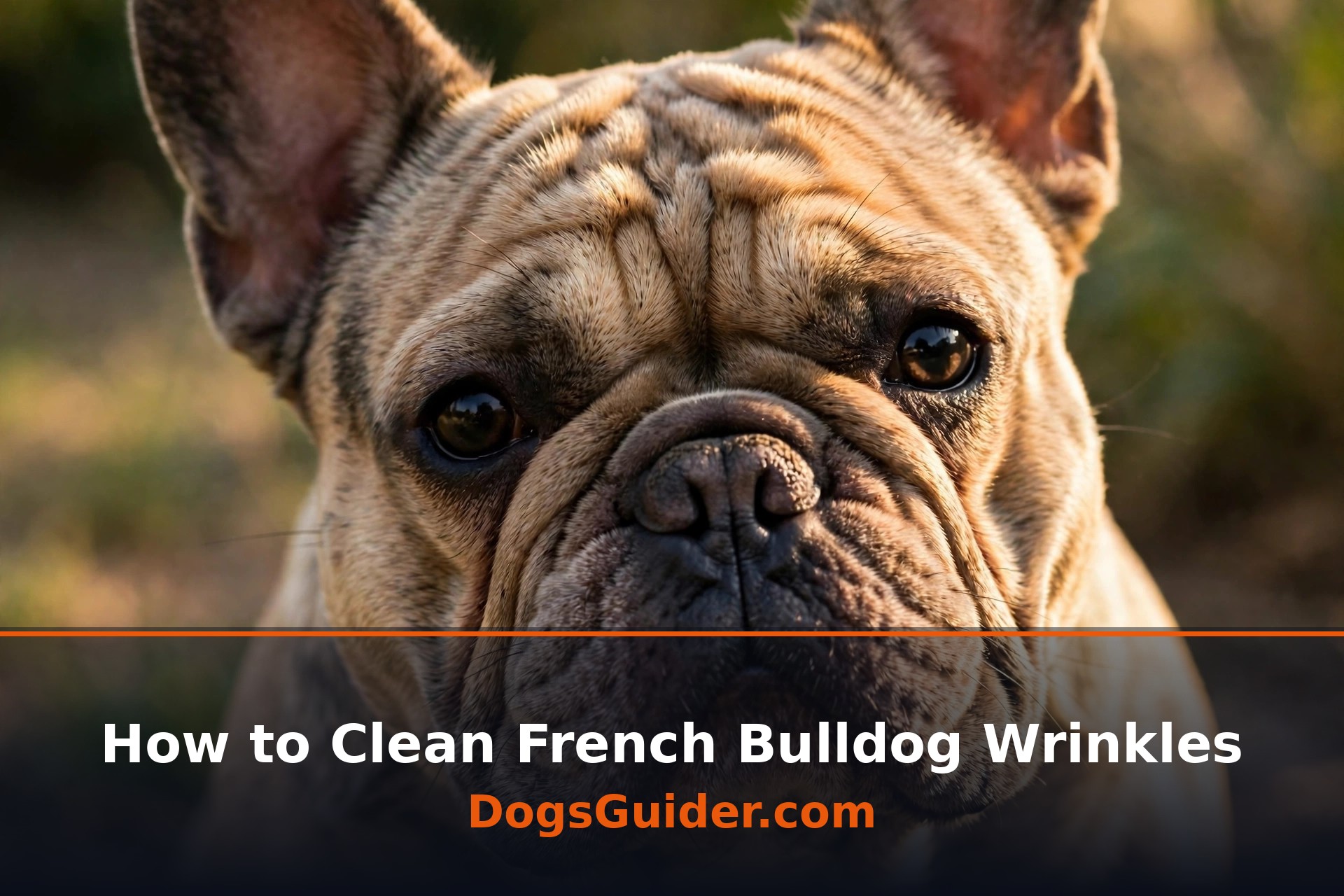
Fold care needs very little equipment. The wrong products, though, cause as many problems as neglect, so the avoid list matters.
Use:
- A soft cloth, cotton pad, or gauze square
- Warm water for everyday cleaning
- Vet approved dog wipes that are unscented and alcohol free
- A second soft, dry cloth for the drying step
Avoid:
- Scented baby wipes: fragrances irritate sensitive fold skin and encourage licking.
- Alcohol or hydrogen peroxide: both sting, dry, and damage already delicate skin.
- Harsh antibacterial soaps: too stripping for daily use on folds.
- Loose powders and home remedy pastes: these can cake inside folds and trap more moisture.
- Any human skin cream: do not apply creams or ointments unless your vet prescribes them for your dog.
When in doubt, plain warm water on a soft cloth is the safest default. It cleans daily debris without adding new irritants.
The Step-by-Step Wrinkle Cleaning Routine
Work somewhere calm, with treats nearby. Most Frenchies learn to tolerate, even enjoy, this routine when it stays short and rewarding.
Step 1: Wash your hands. Clean hands keep you from introducing new dirt and germs into an area of delicate skin.
Step 2: Lift each fold gently. Use one hand to open the fold fully so you can see the skin hidden inside it.
Step 3: Wipe the whole fold. With the damp cloth, wipe along the full depth of the fold, front to back, in gentle strokes.
Use a clean section of cloth for each fold. Dragging the same dirty patch through every fold just moves debris around.
Step 4: Dry completely. Pat every fold dry with the second cloth. This step is not optional; leftover dampness undoes the cleaning.
Step 5: Check the skin as you go. Look for redness, moisture, discharge, or sore spots while the fold is open and visible.
Step 6: Reward and finish. Treat, praise, and you are done. Face folds, the nose rope, and the tail fold all get the same treatment.
Pay a little extra attention after meals and messy drinks. Food and water collect in the lower face folds surprisingly fast.
How Often Should You Clean the Folds?
For most French Bulldogs, a quick fold wipe and dry once a day is the right baseline. Build it into an existing routine.
Dogs with deep folds, heavy tearing, or a history of fold trouble may need cleaning twice daily. Your vet can advise for your dog.
At minimum, check the folds daily even on days you do not clean them. A ten second look catches early redness while it is minor.
After baths, fold care is essential rather than routine. Dry the folds thoroughly after every bath, since damp folds are the fastest route to irritation.
If a fold ever looks sore, skip home cleaning experiments and book the vet. Cleaning maintains healthy folds; sore folds need diagnosis.
Signs of Fold Dermatitis: When to See a Vet
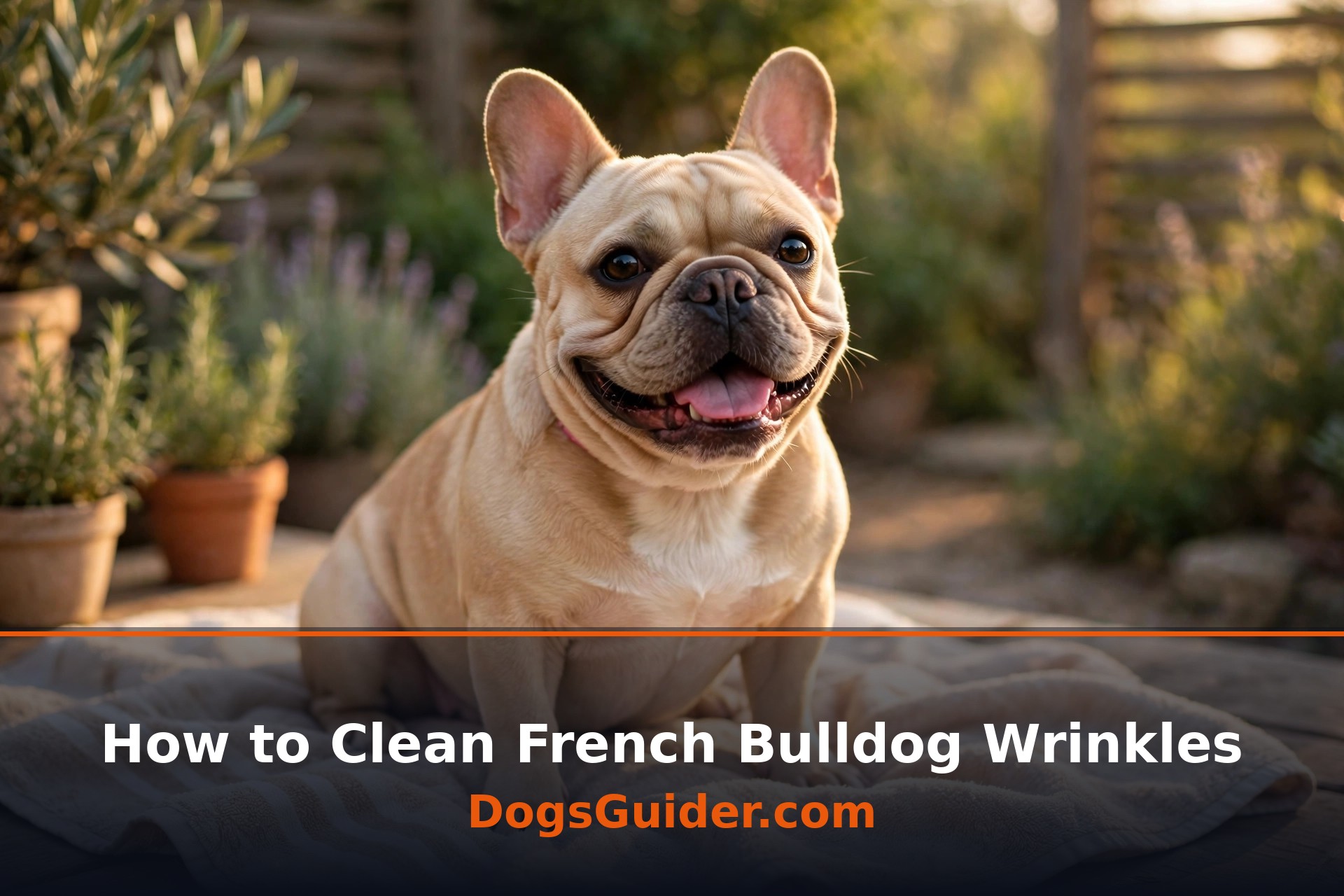
Healthy fold skin looks pale, dry, and calm, and smells like ordinary dog. Learn that normal baseline during your daily checks.
Book a vet visit if you notice any of the following in or around a fold:
- Redness or pink, angry looking skin inside the fold
- A strong, sour, or musty odor that cleaning does not fix
- Moist discharge, crusting, or weeping skin
- Swelling of the fold or surrounding face
- Hair loss along the fold edges
- Sores, spots, or bleeding
- Pain, flinching, or head shyness when the fold is touched
- Constant rubbing or pawing at the face
These signs can point to fold dermatitis or another skin problem. They are reasons for examination, not for stronger home cleaning.
Do not apply leftover creams, steroids, or antibiotics to a sore fold. The wrong product can mask signs and delay proper treatment.
Recurring fold problems deserve a deeper conversation with your vet. Repeated flare ups often have an underlying trigger worth investigating properly.
The Allergy Connection
Many French Bulldogs with repeat fold trouble also have skin allergies. Allergies inflame the skin everywhere, and folds suffer first and worst.
If folds flare alongside itchy paws, ear trouble, or seasonal patterns, mention the whole picture at your vet appointment. Patterns guide diagnosis.
Diet is one piece of that wider picture for some dogs. Our guide to the best dog food for skin allergies explains how food trials work.
Never start an elimination diet or allergy treatment based on fold signs alone. Your vet needs to rule out infection and other causes first.
Telling Fold Odor From Other Smells
A mild doggy smell from the face is common in this breed. A fold problem smell is stronger, sourer, and lingers after cleaning.
If the face smells fine but the dog still smells, look elsewhere. Ears, teeth, and the tail pocket are the other usual suspects.
Our breakdown of why a French Bulldog smells walks through each source and how to tell them apart.
Knowing which smell you are chasing saves money and worry. It also gets your vet useful information at the appointment.
Common Wrinkle Care Mistakes
Cleaning but not drying. The single most common mistake. A wiped fold left damp is worse than an untouched dry fold.
Scrubbing sore skin. Pressure and friction inflame folds further. If a fold is red or sore, gentle handling and a vet visit win.
Using scented products. Fragrance is for human noses, not dog skin. Scented wipes are a leading cause of fold irritation in this breed.
Cleaning only when it smells. Odor is a late sign. By the time a fold smells strongly, irritation is usually well established.
Skipping the tail fold. The tight tail pocket traps moisture and debris exactly like face folds. Include it in every routine check.
The Bottom Line
Cleaning French Bulldog wrinkles is a two minute habit: wipe each fold gently with a soft cloth and warm water or a vet approved unscented wipe, then dry every fold completely.
Moisture left behind causes most fold problems, so drying matters as much as cleaning. Avoid scented products, alcohol, powders, and home remedy pastes.
See your vet promptly for redness, strong odor, discharge, swelling, sores, or pain, and never apply creams your vet has not prescribed.
References
- VCA Animal Hospitals, client education on skin fold dermatitis in dogs, https://vcahospitals.com/
- PetMD, guidance on skin fold care and fold dermatitis signs, https://www.petmd.com/
- American Kennel Club, French Bulldog grooming and skin care guidance, https://www.akc.org/
- Merck Veterinary Manual, owner guidance on skin fold dermatitis, https://www.merckvetmanual.com/
- RSPCA, dog grooming and skin health advice, https://www.rspca.org.uk/
FAQs
1. How often should I clean my French Bulldog’s wrinkles?
Once a day suits most Frenchies, including a dry afterwards. Dogs with deep folds or a history of fold trouble may need twice daily care. Check the folds daily when you do not clean them.
2. Can I use baby wipes on my French Bulldog’s folds?
Only if they are completely unscented and alcohol free, and even then a soft cloth with warm water is the gentler default. Scented baby wipes commonly irritate fold skin and should be avoided.
3. Why do my French Bulldog’s wrinkles smell bad?
A strong, sour smell usually means moisture and microbes have built up in the fold, and irritation may already be present. If the smell survives gentle cleaning and drying, book a vet check.
4. What does fold dermatitis look like?
Common signs include redness, moist or weeping skin, discharge, crusting, swelling, and hair loss around the fold. Your dog may rub or paw at the area. Only a vet can confirm the diagnosis.
5. Should I put powder in my Frenchie’s folds to keep them dry?
No. Powders and pastes can cake inside the fold, trap moisture, and irritate the skin further. Thorough drying with a soft cloth is the safe way to keep folds dry between cleans.
6. My dog hates having its wrinkles cleaned. What can I do?
Go slower and pair steps with treats. Start by touching the face, reward, and stop. Build up over days to a wipe and dry. Never wrestle or pin a dog for fold care.
7. When should wrinkles be seen by a vet instead of cleaned at home?
Any time you see redness, swelling, discharge, sores, bleeding, or pain, or the fold smells despite cleaning. Recurring fold problems need a vet visit to look for causes like allergies.

Sarah Mitchell has been raising French Bulldogs for over 9 years in Austin, Texas. After adopting her first Frenchie, Biscuit, she became passionate about helping new owners navigate the unique needs of the breed from breathing care to diet and heat safety. Sarah has worked closely with local veterinarians and attended the AKC National Championship three times as a breed enthusiast. Her guides focus on practical, real-world advice for American Frenchie owners.