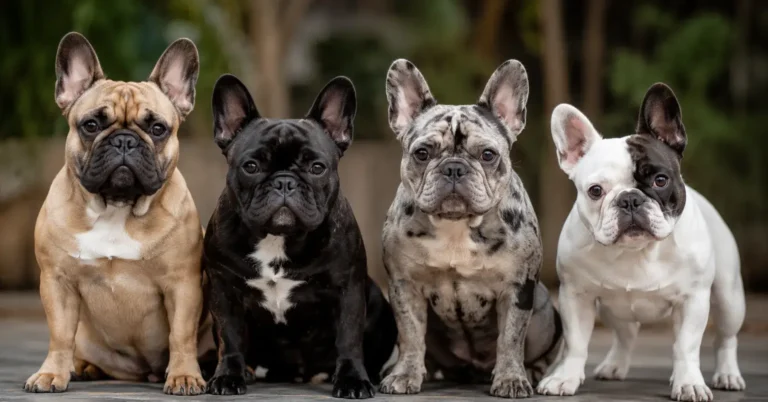
French Bulldog Cherry Eye: Signs, Causes and Vet Care

Introduction
A red, fleshy lump in the inner corner of the eye is the classic sign of french bulldog cherry eye. Like the ear cleaning routine, eye checks belong in your weekly Frenchie care.
It worries most owners the first time they see it. This guide covers what cherry eye is, what to do first, and when to see a vet.
French Bulldogs are one of the breeds most often affected by this condition. Their flat faces, prominent eyes, and loose eyelid tissue all raise the risk. Cherry eye most often shows up in puppies and young dogs, but it can appear at any age.
Quick Answer: Cherry eye is a prolapsed gland of the third eyelid. It looks like a red lump in the inner corner of the eye. It is not usually an emergency, but it does need a vet visit. Do not try to push the gland back yourself. Most dogs are treated with surgery that replaces the gland. The gland should be kept, because it makes a large share of the tears.
What Is Cherry Eye in a French Bulldog?
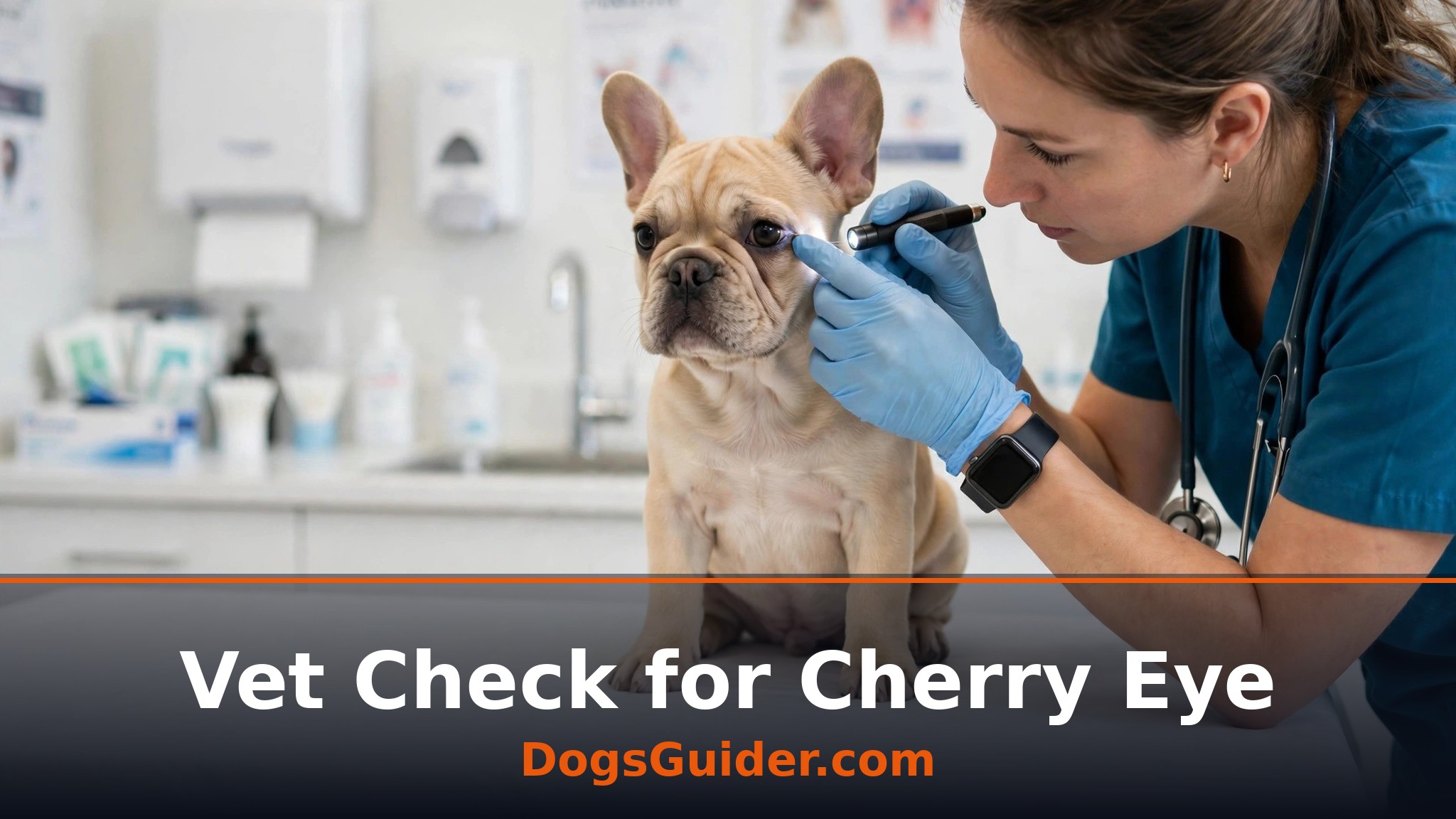
Dogs have a third eyelid, a thin membrane that sits in the inner corner of each eye. Under that membrane sits a small tear gland. The gland helps keep the eye moist and protected.
In cherry eye, the small ligament that holds this gland in place weakens. The gland then slips out of position and bulges into view. The exposed gland looks red and swollen, which is why owners call it cherry eye.
The medical name for the condition is prolapse of the nictitans gland. Vets also call it prolapse of the third eyelid gland. Both terms describe the same problem.
Cherry eye is not a tumour. It is not contagious. It is a structural problem with the tissue that anchors the gland, and it is common in flat-faced breeds like French Bulldogs.
Signs of Cherry Eye
The most obvious sign is a smooth, red, round lump in the inner corner of one eye. It may look like a small cherry sitting at the edge of the eye. The lump can be small at first and grow larger over a few days.
Some dogs show no other signs at all. Others paw at the eye, rub their face on furniture, or blink more than usual. Mild discharge or watery tearing can also appear around the affected eye.
Cherry eye can affect one eye or both eyes. In many dogs, the second eye develops the same problem weeks or months later. This is why vets often ask owners to watch both eyes after the first diagnosis.
| Sign | What It Looks Like | What It May Mean |
|---|---|---|
| Red lump in the inner corner | Smooth, round, pink or red swelling | Classic cherry eye |
| Watery discharge | Clear tears running down the face | Irritation from the exposed gland |
| Pawing or rubbing | Dog rubs the eye with a paw | Discomfort or itchiness |
| Squinting or blinking | Eye partly closed, frequent blinking | Pain or sensitivity |
| Cloudy eye surface | Haze over the clear part of the eye | Needs a prompt vet check |
A red lump is not always cherry eye. Allergies, infection, and other eye problems can also cause redness and swelling. Only a vet examination can confirm the diagnosis, so do not assume every red eye is cherry eye.
What Causes Cherry Eye?
The direct cause is a weakness in the ligament that anchors the third eyelid gland. When that support fails, the gland pops out of its normal pocket. Vets do not fully understand why the ligament weakens in some dogs and not in others.
Genetics plays a role. Flat-faced breeds, including French Bulldogs, Bulldogs, and Pugs, develop cherry eye far more often than other breeds. Their eye shape and loose facial tissue appear to put extra strain on the gland and its support.
Age is another factor. Cherry eye most often appears in puppies and young dogs under two years old. The tissue is still developing at that age, and the gland may be larger relative to the eye.
Irritation can make the gland swell and show more clearly. Rubbing, scratching, and rough play around the face can aggravate an already loose gland. This is one reason gentle handling matters for Frenchie puppies.
There is no single food, habit, or event that causes cherry eye. Owners should not blame themselves when it appears. It is a known breed risk, and it is treatable.
What to Do First If You See a Red Lump

Stay calm. Cherry eye looks alarming, but it is rarely an emergency on its own. Your dog can usually see, eat, and play normally while you arrange a vet visit.
Do not try to push the gland back into place. Home massage techniques circulate online, but they can injure the eye or make the swelling worse. Leave repositioning to your vet.
Stop your dog from rubbing the eye. A soft cone can help if your Frenchie keeps pawing at the lump. Keep play gentle until the vet has seen the eye, and avoid dusty or smoky rooms that could irritate it further.
Book a vet appointment promptly, ideally within a few days. Tell the clinic that you have seen a red lump in the inner corner of the eye. The vet will examine the eye, check the tear production, and confirm whether the lump is cherry eye.
How Vets Treat Cherry Eye
Treatment starts with a full eye examination. The vet checks the lump, the eye surface, and the tear production. They also look for any second problem, such as infection or a scratch on the eye.
The standard treatment is surgery to replace the gland in its normal pocket.
The surgeon creates a small pocket in the third eyelid tissue and secures the gland inside it.
The goal is to keep the gland working, because it produces a large share of the tears that protect the eye.
Removing the gland is now avoided in most cases. Without the gland, the eye makes far fewer tears, and the dog faces a higher risk of dry eye later in life. Dry eye is painful and needs lifelong care, so preserving the gland matters.
Surgery is usually a day procedure. Most dogs go home the same day with rest instructions and a cone to stop rubbing. The vet will book a follow-up visit to check healing and tear production.
Recovery takes a couple of weeks. Keep your Frenchie calm, use the cone as directed, and attend every follow-up visit. Mild swelling after surgery is normal and settles as the tissue heals.
When to See a Vet
Book a vet visit promptly for any red lump in the inner corner of the eye. Cherry eye does not resolve on its own in most cases, and early treatment gives the best result.
Seek a vet visit sooner, the same day if possible, if you notice any of these warning signs. Pain, holding the eye closed, or sudden vision changes all need urgent attention.
- Both eyes affected at the same time, or the lump grows very fast
- Thick yellow or green discharge, or a bad smell from the eye
- Cloudiness over the clear surface of the eye
- Your dog cannot open the eye, or seems in clear pain
- Bleeding from the lump, or a cut on the eye surface
Do not wait for a routine check-up if any of these signs appear. Eye problems can worsen quickly, and early care protects your dog’s sight.
Even when the signs look mild, a vet visit is still needed. The vet confirms the diagnosis, rules out other eye disease, and plans treatment. This article is general information only, not a diagnosis for your dog.
Can Cherry Eye Come Back?
Recurrence is possible after surgery. In a small number of dogs, the gland slips out again in the weeks after the operation. Follow-up visits catch this early, and the vet can advise on the next step.
The other eye can also develop cherry eye later. This is common enough that vets ask owners to watch the second eye for months after the first diagnosis. Spotting the second lump early makes treatment simpler.
How to Protect Your Frenchie’s Eyes
Regular eye checks are the simplest protection. Look at your Frenchie’s eyes once a week in good light. Check for redness, lumps, discharge, and changes in the eye surface.
Keep the face clean and dry. Wipe the folds around the eyes gently during grooming, and keep bath water and shampoo away from the eyes. A calm grooming routine also helps you spot new lumps early.
Handle play with care. Avoid rough games that involve paws near the face, and supervise play with larger dogs. A scratch or knock to the eye can aggravate a loose gland.
Puppy owners should learn the normal look of their dog’s eyes early. Puppies change fast, and knowing what is normal makes it easier to spot a new lump. The puppy ear development guide is a useful companion read for new Frenchie owners.
Bathing and grooming go hand in hand with eye care. The bathing frequency guide explains how often to wash a Frenchie without drying the skin or irritating the eyes.
The Bottom Line
French bulldog cherry eye is a prolapsed gland of the third eyelid. It looks like a red lump in the inner corner of the eye, and it is common in this breed.
Do not try to fix it at home. Book a vet visit promptly, stop your dog from rubbing the eye, and watch the other eye too. Surgery that replaces the gland is the standard treatment, and most dogs recover well.
Weekly eye checks, gentle handling, and prompt vet care give your Frenchie the best outcome. If you see a red lump, act early and let your vet confirm what it is.
References
- American Kennel Club – French Bulldog health – akc.org
- PetMD – Cherry eye in dogs – petmd.com
- VCA Animal Hospitals – Cherry eye in dogs – vcahospitals.com
- Merck Veterinary Manual – Eye disorders in dogs – merckvetmanual.com
- Cornell University College of Veterinary Medicine – Ophthalmology – vet.cornell.edu
FAQs
1. Is cherry eye painful for my French Bulldog?
Most dogs with cherry eye show little pain at first. Some dogs paw at the eye or blink more, which suggests mild discomfort. Pain, squinting, or holding the eye closed needs a prompt vet visit.
2. Can cherry eye go away on its own?
Cherry eye rarely resolves without treatment. The gland stays out of place because its support ligament is weak. A vet visit is needed to confirm the diagnosis and plan treatment.
3. Can I push the gland back myself?
No. Do not try to push the gland back at home. You can injure the eye or make the swelling worse. Repositioning is a job for your vet, usually as part of surgery.
4. Will my Frenchie go blind from cherry eye?
Cherry eye alone does not usually cause blindness. The risk rises if the eye becomes dry, infected, or injured, or if treatment is delayed. Prompt vet care protects your dog’s sight.
5. Does cherry eye affect both eyes?
It can. Many dogs develop cherry eye in one eye first, and the second eye follows weeks or months later. Watch both eyes after the first diagnosis and tell your vet about any change.
6. How much does cherry eye surgery cost?
Costs vary by clinic, region, and the exact procedure. Ask your vet for an estimate at the first visit, and ask what the estimate covers, including follow-up checks.

Sarah Mitchell has been raising French Bulldogs for over 9 years in Austin, Texas. After adopting her first Frenchie, Biscuit, she became passionate about helping new owners navigate the unique needs of the breed from breathing care to diet and heat safety. Sarah has worked closely with local veterinarians and attended the AKC National Championship three times as a breed enthusiast. Her guides focus on practical, real-world advice for American Frenchie owners.