
Dog Species in India: Native Breeds, Names, and Why Nobody Agrees on the Count
Introduction
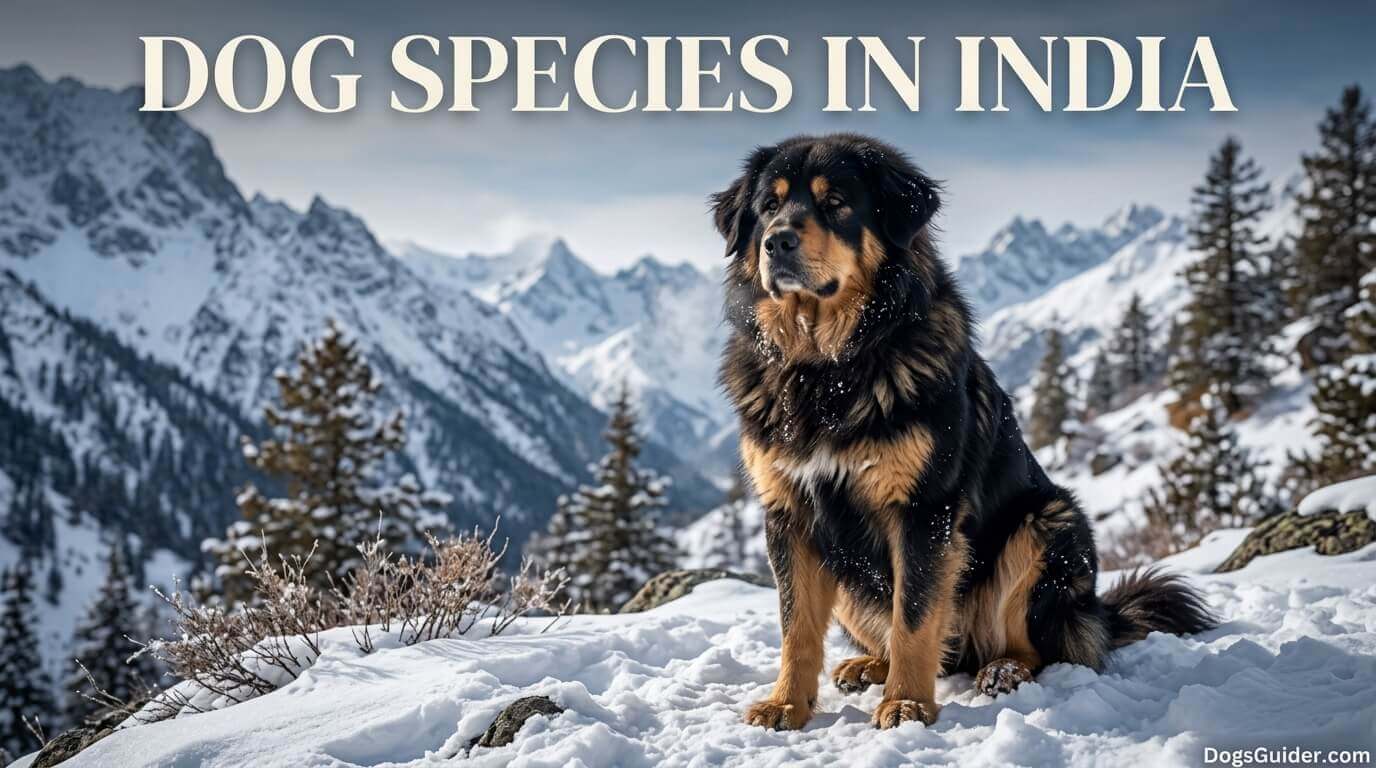
If you searched for dog species in India, one quick correction first: all domestic dogs belong to a single species, so what people really mean is dog breeds. And India does have its own native breeds, from the sleek Rajapalayam to the hardy Mudhol Hound.
The surprise is that nobody agrees on how many there are. Depending on the source, the number is around 8, 20, or 25. This guide explains why, lists the best-known native breeds, and shows what’s happening to them today.
Dog Species in India: Species vs. Breed

Scientifically, there’s only one species of domestic dog, and every breed, Indian or foreign, belongs to it. What changes from place to place is the breed (a group of dogs bred for consistent traits) and the landrace or pariah population (dogs that developed naturally in a region without formal breeding standards).
When people ask about dog species in India, they usually want to know which breeds originated there, which is what this article covers.
How Many Native Dog Breeds Does India Have?
This is where sources genuinely disagree, which is a useful thing to know before you trust any single number:
| Source | Reported Count |
|---|---|
| A research paper from India’s animal genetic resources bureau (ICAR) | About 8 indigenous dog populations, mainly used for farm guarding and shepherding |
| Deccan Herald | About 20 native dog breeds |
| S. Theodore Baskaran, The Book of Indian Dogs (as reported by Scroll and Quartz) | 25 indigenous breeds, based on four decades of research |
Why the gap? There’s no single national registry covering all of them. Some sources count only well-documented breeds, others include regional landraces and village dogs, and many native dogs have never been formally characterized.
The research paper itself notes that most Dog Species in India remain only partly documented.
The Best-Known Native Dog Breeds of India
| Breed | Type and Region | Notes |
|---|---|---|
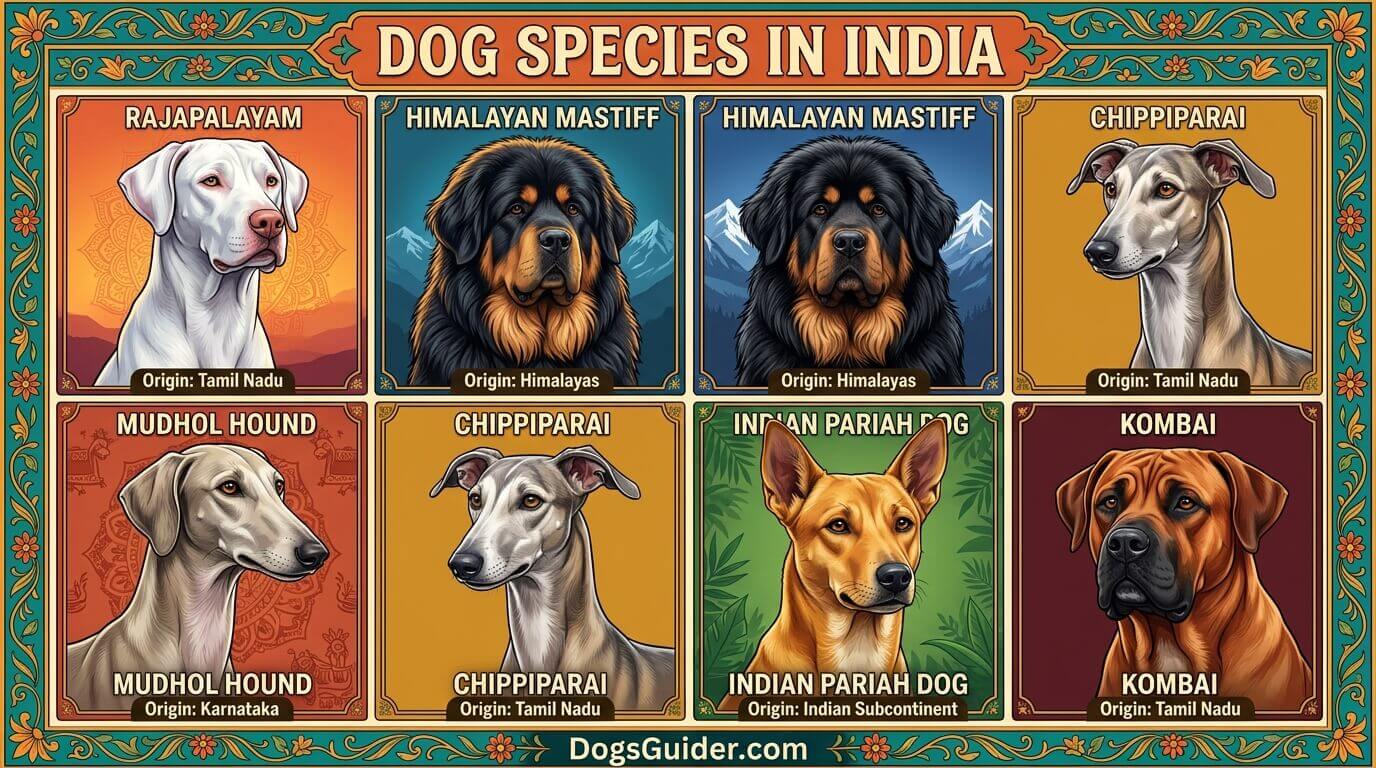
| Rajapalayam | Sighthound from southern India (Tamil Nadu) | Also called Polygar Hound and “Indian Ghost Hound”; Kennel Club of India breed; on a 2005 India Post stamp; known to live up to about 12 years |
| Chippiparai | Sighthound from Tamil Nadu | Registered with the Kennel Club of India |
| Combos | Sighthound and guard dog from southern India | Also called Polygar; historically guarded livestock in the Western Ghats; Kennel Club of India breed |
| Mudhol Hound | Sighthound from central India | Called Caravan Hound by the Kennel Club of India; first native breed to serve in the Indian Army; 2005 stamp |
| Rampur Hound | Hound from northern India | Featured on the 2005 India Post stamps |
| Mold | Hound from Tamil Nadu | Listed among Tamil Nadu’s native breeds |
| Himalayan Sheepdog | Mountain working dog | Featured on the 2005 India Post stamps |
| Bakharwal | Livestock guardian dog from northern India | Not recognized by the Kennel Club of India |
| Indian Pariah Dog | Native dog found throughout India | Also called Desi Kutta, INDog, South Asian pye dog |
| Indian Spitz | Small farm dog found in India | A small spitz-type dog |
| Jonangi | Guard and hunting dog from southern India | Also called Kolleti Jagilam |
| Golden Dong / Golden Terrier | Rare guard and hunting dogs of India and Pakistan | Rarely seen today |
One detail worth knowing: the Mudhol Hound has two names depending on the club. The Kennel Club of India registers it as the Caravan Hound, while the Indian National Kennel Club calls it the Mudhol Hound. If you’re searching for puppies or shows, try both names.
Most Native Indian Breeds Are Hounds
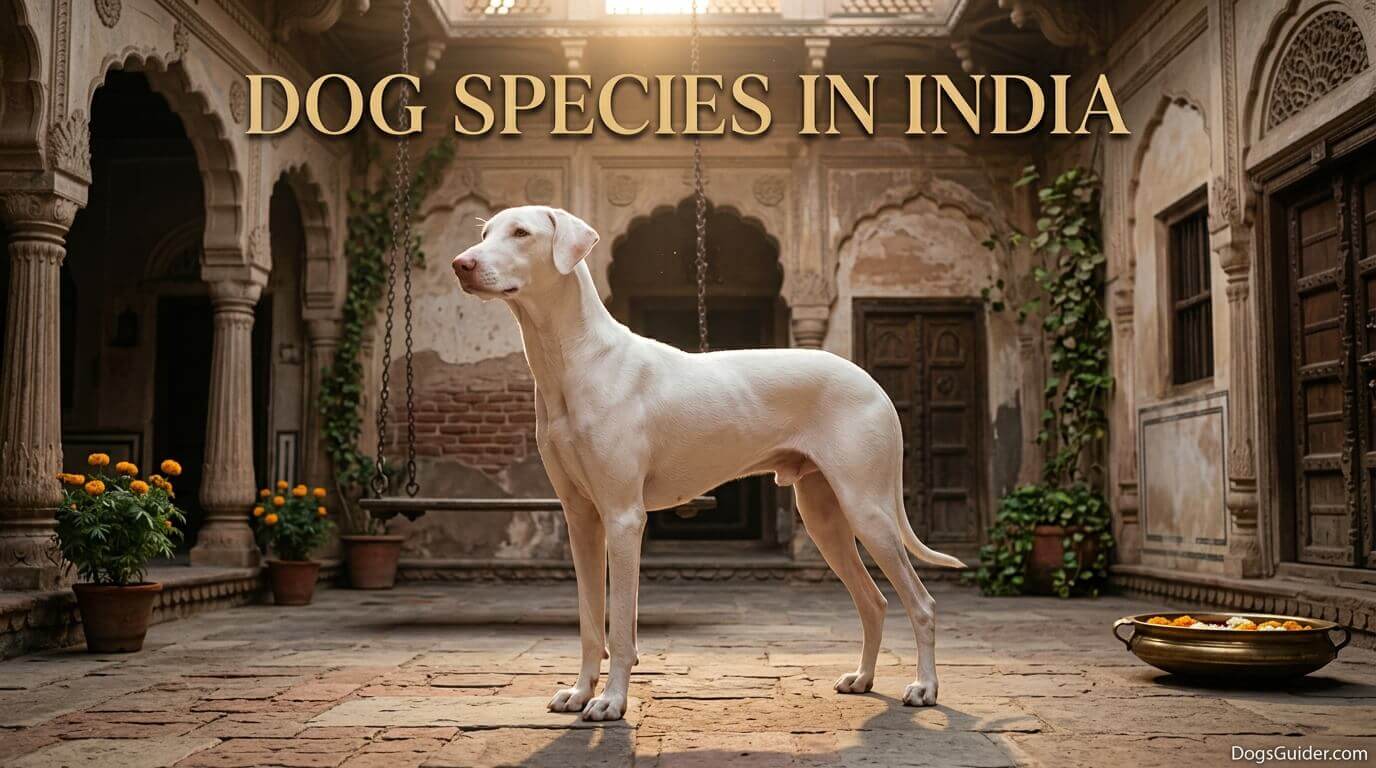
A notable pattern: Baskaran’s survey found that most surviving indigenous breeds are hounds bred for hunting.
His list of hound breeds includes the Vaghari Hound, Rampur Hound, Rajapalayam, Pashmi, Mudhol Hound, Kurumalai, Kanni, Chippiparai, Kaikadi, Caravan Hound, Banjara Hound, and Alaknoori.
That reflects India’s history of hunting with sighthounds, as well as the role of working Dog Species in India on farms and in the mountains.
Why Native Indian Dog Breeds Are Declining
Several reports describe a real concern: as Labradors and German Shepherds became the default choice for families, native breeds lost ground.
One widely cited warning is that without support, the number of dog breeds in India could fall to single digits. Breed clubs, individual breeders, and organizations are working to preserve them:
- The Kennel Club of India and the “Save the Rajapalayam” project aim to protect that breed
- Silicon City Kennel Club (formerly Mysore Kennel Club) holds breed-specific shows for native Indian breeds every year
- The Canine Research and Information Centre near Mudhol works on reviving the Mudhol Hound
- Early efforts to protect Indian breeds were largely made by British dog enthusiasts, especially for Himalayan dogs, according to Baskaran
Are Native Indian Dogs Right for You?
Many native breeds were developed as working dogs, so they generally suit owners who can offer space and activity. Some points to consider before choosing one:
- Sighthounds like the Rajapalayam, Chippiparai, and Mudhol Hound are fast and have a strong chase instinct, so secure fencing and leashes matter
- Guard breeds such as the Kombai are protective and typically need an experienced handler and early socialization
- Availability can be limited, so contact breed clubs and Kennel Club of India listings, and avoid sellers who can’t show the parents
- Adoption is a strong option for the Indian pariah dog, which is found across the country and often needs a home
How to Find a Genuine Native Breed
- Start with the Kennel Club of India or the breed’s own club, and ask for registered breeders
- Ask to see both parents and any registration papers
- Visit in person if possible and look at living conditions
- Be wary of “rare breed” marketing and unusually low or high prices with no paperwork
- Consider rescue first if you’re open to a pariah-type dog
Final Thoughts
So, how many dog species in India? Technically just one, but India’s native breeds are a real and endangered heritage, from the ghost-like Rajapalayam to the army-serving Mudhol Hound.
Because sources count anywhere from 8 to 25 breeds, treat any single number with care, and if you want to own or support a native dog, start with the Kennel Club of India and the breed clubs working to keep these dogs alive.
This article is for general information. Breed counts, names, and recognition status vary by source and over time, so confirm details with the relevant kennel club.
FAQs
1. How many dog species are there in India?
There is only one dog species. What differs are the breeds. Sources count roughly 8 to 25 native Indian dog breeds or populations, depending on how they define a breed.
2. What are the main native dog breeds of India?
Commonly cited breeds include the Rajapalayam, Chippiparai, Kombai, Mudhol Hound (Caravan Hound), Rampur Hound, Kanni, Himalayan Sheepdog, Bakharwal, Indian Spitz, and the Indian pariah dog.
3. Which Indian dog breeds are recognized by the Kennel Club of India?
Breeds marked as KCI-recognized in common breed lists include the Chippiparai, Kombai, Mudhol Hound (as Caravan Hound), and Rajapalayam.
4. What is the Indian pariah dog?
It’s the native free-ranging dog found throughout India, also called the Desi Kutta, Indian native dog (INDog), or South Asian pye dog.
5. Which Indian dog breed served in the army?
The Mudhol Hound became the first native Indian breed to serve in the Indian Army, according to reports on the breed’s revival.
6. Are Indian native dog breeds endangered?
Several are considered at risk as demand shifted to foreign breeds like Labradors and German Shepherds. Experts have warned the number of breeds could drop sharply without preservation efforts.

Sarah Mitchell has been raising French Bulldogs for over 9 years in Austin, Texas. After adopting her first Frenchie, Biscuit, she became passionate about helping new owners navigate the unique needs of the breed from breathing care to diet and heat safety. Sarah has worked closely with local veterinarians and attended the AKC National Championship three times as a breed enthusiast. Her guides focus on practical, real-world advice for American Frenchie owners.




One Comment