
Introduction
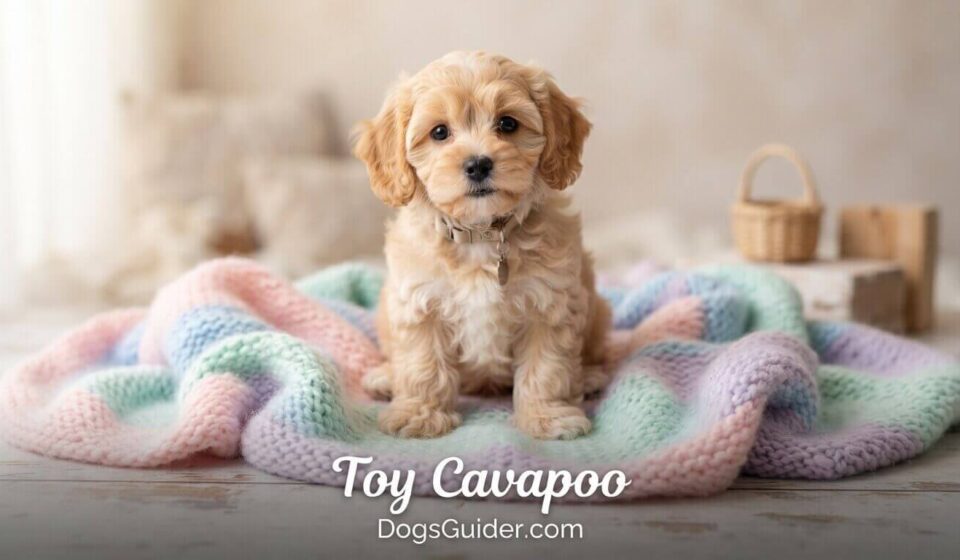
Few small dogs win hearts as quickly as the toy Cavapoo. With a teddy-bear face, a soft curly coat and a sweet, people-loving nature, it is easy to see why searches for this breed keep growing.
But a cute photo is not a reason to buy a puppy. This guide covers everything you need to know first: size, price, lifespan, temperament, grooming, health issues, and how to spot a responsible breeder.
What Is a Toy Cavapoo?
The Cavapoo (also called a Cavoodle in Australia) is a designer crossbreed between a Cavalier King Charles Spaniel and a Poodle. The “toy” version comes from crossing a Cavalier with a Toy Poodle.
Breeders wanted to combine the Cavalier’s gentle, affectionate nature with the Poodle’s intelligence and low-shedding coat.
Cavapoos are not recognised as an official breed by major kennel clubs, so puppies vary. Size, coat, and temperament all depend on the parents and on the generation of the litter.
Toy Cavapoo Size and Full-Grown Weight
A toy Cavapoo is among the smallest Cavapoo sizes. Because they are small dogs, most reach full size by about 9 to 12 months.
| Cavapoo Type | Poodle Parent | Typical Weight | Height |
|---|---|---|---|
| Toy | Toy Poodle | 7–12 lb (3–5.5 kg) | 9–12 in |
| Mini | Miniature Poodle | 13–20 lb (6–9 kg) | 12–14 in |
| Standard (rare) | Standard Poodle | 25 lb and up | 14 in+ |
As a rule, the bigger the Poodle parent, the bigger the puppy. Even in one litter, sizes can differ.
What About a “Teacup” Cavapoo?
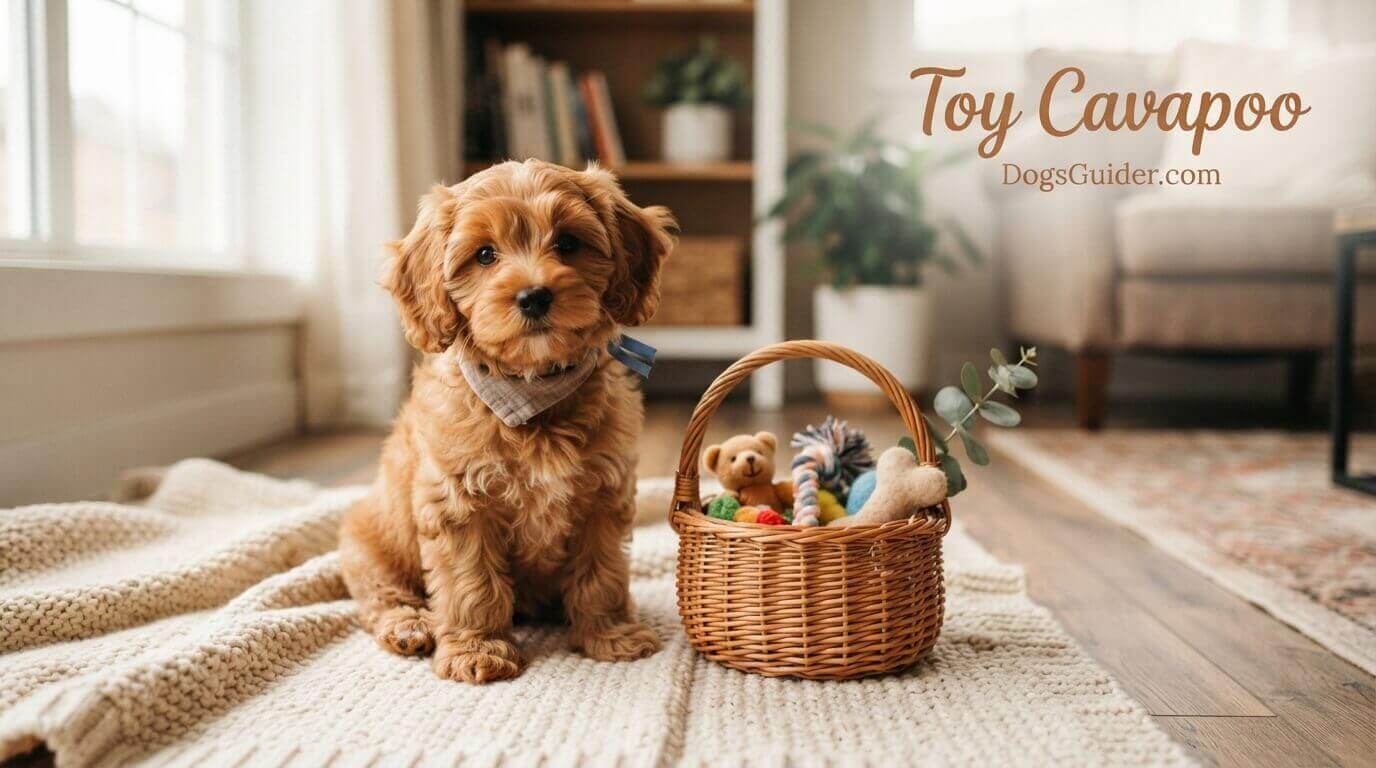
“Teacup” is a marketing term, not an official size. It usually means a very small toy, often about 1 kg lighter.
Extremely tiny dogs can be more fragile and prone to injury and low blood sugar, so be cautious of breeders who promise ever-smaller puppies.
Cavapoo Generations: F1, F1b and F2 Explained
- F1: Cavalier × Poodle. Roughly half and half, with wavy, fleece-like coats and some variety in shedding.
- F1b: F1 Cavapoo × Poodle. About 75% Poodle, usually a tighter curl and lower shedding.
- F2: Cavapoo × Cavapoo. Coats range from silky to curly, and traits become more predictable, but the health benefit of mixing two unrelated breeds is reduced.
Toy Cavapoo Temperament and Personality
This is where the toy Cavapoo truly shines. Most are friendly, playful, gentle, and deeply attached to their people. They are bright, people-pleasing, and respond well to positive reinforcement, which makes them a good fit for many first-time owners. Typical traits include:
- Affectionate: happiest on your lap or beside you.
- Sociable: usually gets along with children, visitors, and other pets.
- Easy to train: learns quickly with treats and praise.
- Adaptable: suits flats and houses, as long as exercise needs are met.
- Clingy: strongly bonded dogs can struggle when left alone.
Separation Anxiety
Because they want to be near you all day, toy Cavapoos can develop separation anxiety.
Teach short absences early, use crate training, and provide a lick mat, puzzle toy, or chew for when you leave. If you work long hours away from home, plan for a dog walker or daycare.
Coat, Shedding and Grooming
The Cavapoo coat ranges from wavy to curly and is usually low-shedding, especially in F1b dogs. However, “hypoallergenic” is never guaranteed: no dog is truly allergen-free, and people with allergies should spend time with the specific puppy before committing.
- Brushing: several times a week, daily for curly coats, to prevent mats.
- Professional grooming: every 6 to 8 weeks for a teddy, puppy, or kennel cut.
- Ears and eyes: check and clean often, because floppy ears trap moisture and some dogs get tear staining.
- Teeth: small dogs are prone to dental disease, so brush regularly.
- Colour fading: many toy Cavapoos inherit the Poodle fading gene, so a dark puppy coat may lighten with age.
Toy Cavapoo Lifespan and Health Problems
The typical toy Cavapoo lifespan is about 12 to 15 years, and some sources report 13 to 16 years for toy-sized dogs with good care. Hybrid dogs can benefit from genetic variety, but they can also inherit problems from both parents. Watch for:
- Mitral valve disease (MVD): a heart condition common in Cavaliers. Ask breeders for heart-screening results.
- Syringomyelia: a painful spinal condition linked to Cavalier skull shape.
- Patellar luxation: kneecaps that slip out of place, common in toy breeds.
- Eye problems: such as progressive retinal atrophy and cataracts.
- Dental disease: crowded small mouths collect tartar.
- Injuries: toy-sized bones are fragile, so prevent falls and rough handling.
Toy Cavapoo Price: How Much Do They Cost?
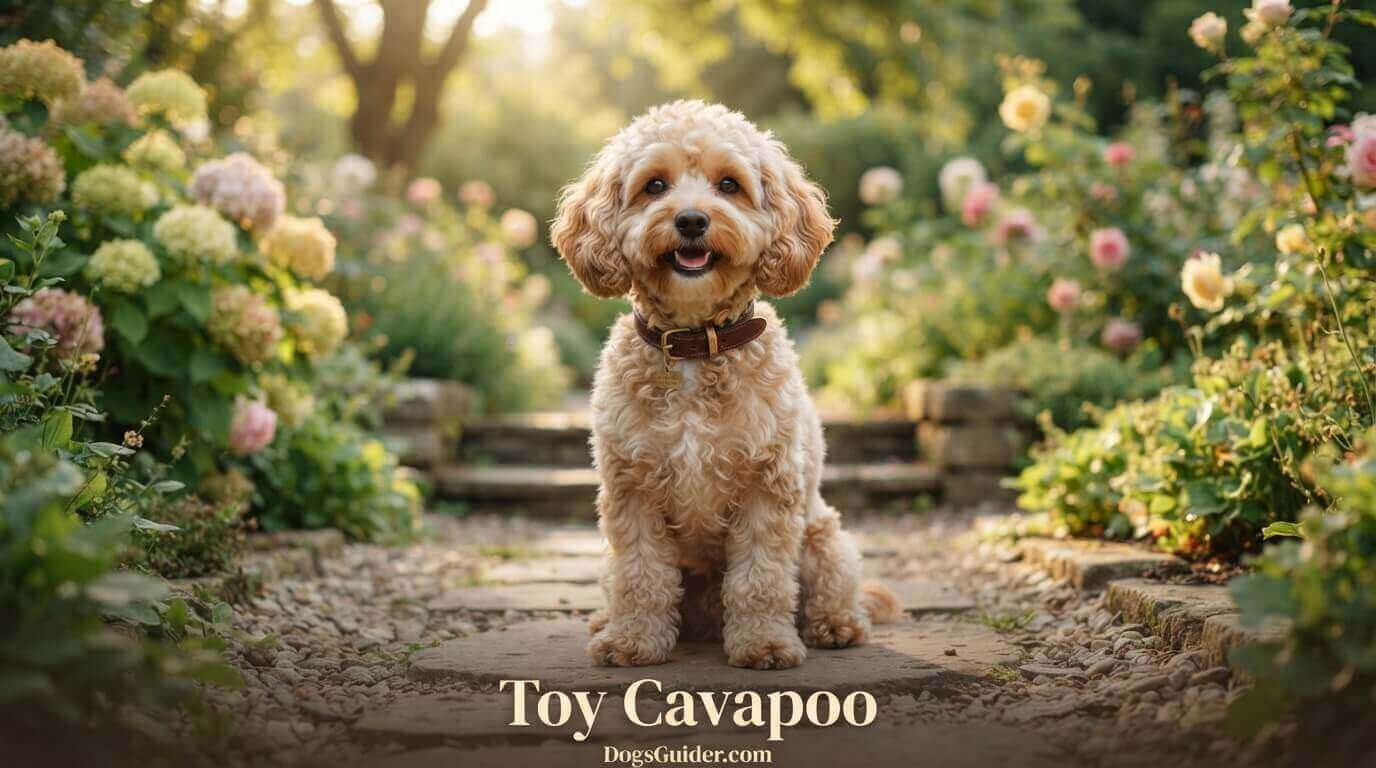
Prices depend on the country, breeder, coat colour, generation, and health testing. In the US, reputable breeders commonly charge several thousand dollars.
One breeder guide quotes roughly $3,000 to $6,500 for health-tested puppies. Very cheap ads (for example, under $1,500) can signal a scam, a puppy mill, or a breeder skipping health tests.
Ongoing Costs to Budget For
- Setup costs such as crate, bed, grooming tools, leads and toys: about $250 to $500
- Quality food and treats
- Grooming every 6 to 8 weeks
- Vaccines, parasite control and yearly check-ups
- Pet insurance, which is especially useful given the breed’s heart risks
- Training classes and a dog walker if needed
How to Choose a Responsible Toy Cavapoo Breeder
- Ask for health tests on both parents, including heart checks for the Cavalier side and eye and knee checks for the Poodle side.
- Meet the mother and see where the puppies are raised.
- Ask about generation (F1, F1b, F2) and what coat to expect.
- Expect questions from the breeder. Good breeders screen buyers and offer a contract and return policy.
- Never buy without visiting in person or on a live video call.
Red Flags to Avoid
- Several breeds or many litters available at once
- Puppies sold under 8 weeks old
- No health test papers
- Pressure to pay a deposit fast
- Promises of a “teacup” or guaranteed non-shedding dog
Is a Toy Cavapoo Right for You?
A toy Cavapoo may suit you if you want a loving lap dog, can be home much of the day, and accept regular grooming.
Think twice if you are away for long hours, want a dog with no grooming needs, or have very young children who may handle a tiny dog roughly.
Daily Care Basics
- Exercise: about 30 to 45 minutes a day, split into walks and play.
- Training: start early with positive reinforcement and short sessions.
- Feeding: measured meals of small-breed food to prevent weight gain.
- Socialisation: meet people, dogs and new places safely while young.
Final Thoughts
A toy Cavapoo offers a rare mix of small size, sweet nature and a fluffy, low-shedding coat.
The best results come from choosing a health-testing breeder, budgeting realistically for grooming and vet care, and giving your dog plenty of company. Do that, and you can expect 12 to 15 years of loyal companionship.
FAQs
1. How big does a toy Cavapoo get?
Most weigh about 7 to 12 lb and stand 9 to 12 inches tall when fully grown, usually by 9 to 12 months.
2. How much does a toy Cavapoo cost?
Prices vary by country and breeder. In the US, health-tested puppies often cost several thousand dollars, and very cheap offers are a warning sign.
3. How long do toy Cavapoos live?
Typically 12 to 15 years, and some toy-sized dogs reach 16 with good care.
4. Are toy Cavapoos hypoallergenic?
They shed little and often suit allergy sufferers better, but no dog is fully hypoallergenic. Spend time with the puppy first.
5. Do toy Cavapoos bark a lot?
They are usually not excessive barkers, but may bark at visitors or when left alone. Training and company reduce it.
6. Can toy Cavapoos be left alone?
Only for short periods once trained. They bond closely and are prone to separation anxiety.
7. What is the difference between F1 and F1b Cavapoos?
F1 is half Cavalier and half Poodle. F1b is about 75% Poodle, often with tighter curls and less shedding.
8. Is a toy Cavapoo good for first-time owners?
Yes, for most. They are gentle, eager to please and easy to train, but you must commit to grooming and daily company.

Sarah Mitchell has been raising French Bulldogs for over 9 years in Austin, Texas. After adopting her first Frenchie, Biscuit, she became passionate about helping new owners navigate the unique needs of the breed from breathing care to diet and heat safety. Sarah has worked closely with local veterinarians and attended the AKC National Championship three times as a breed enthusiast. Her guides focus on practical, real-world advice for American Frenchie owners.