Introduction
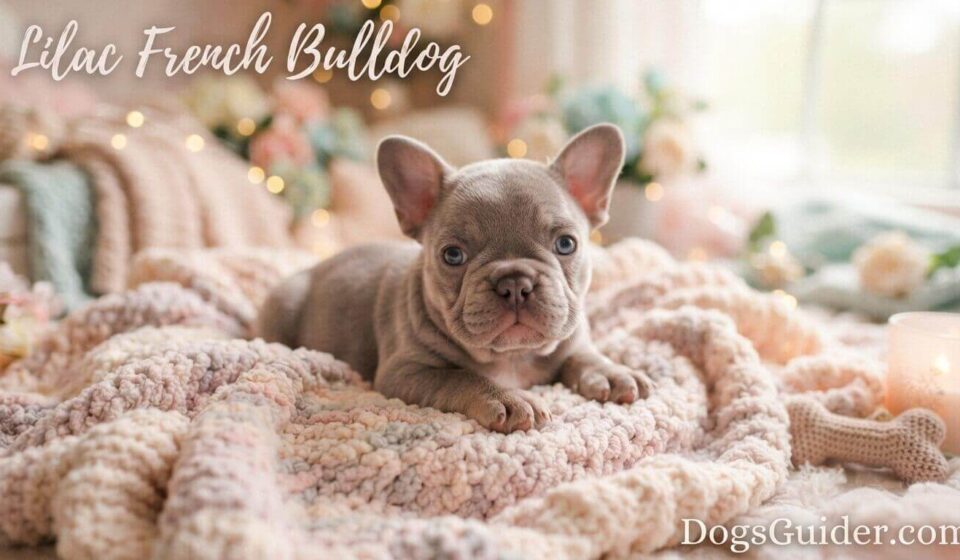
Lilac French Bulldog is one of the most faked colors in the entire French Bulldog world, not because the color itself is illegal or unhealthy, but because it’s genetically rare enough that sellers routinely mislabel ordinary blue or “blue fawn” puppies as lilac to charge a premium.
Before you pay $5,000+ for one, it’s worth understanding exactly what makes a Frenchie genuinely lilac, and how to verify it.
What Actually Makes a French Bulldog Lilac

Lilac French Bulldog isn’t a single gene; it’s a combination of two separate recessive traits stacking together:
- The dilution gene (d/d), the same gene responsible for the blue coat color
- The chocolate/cocoa gene (b/b), which turns black pigment brown instead of gray
When a puppy inherits two copies of both recessive genes at once, the result is a pale, silvery-mauve coat that’s genuinely distinct from a solid blue.
This is why lilac is sometimes called a “double dilute” color. A puppy can only be true lilac if both parents carry both recessive traits and even then, only around a quarter of the resulting litter is statistically likely to be lilac.
How to Tell If a Lilac Frenchie Is Real
Because the color is subtle and easy to fake with lighting or camera filters, a few physical markers help confirm authenticity:
- Eye color: Genuine lilac Frenchies typically have light amber, yellow, or pale green eyes, a trait shared only with true chocolate Frenchies and not seen in solid blue dogs
- Nose and paw pigmentation: A lavender-gray to pale pink nose, and paw pads that appear pinkish rather than solid dark gray
- Red-eye flash test: Many lilac owners report a distinct reddish eye-shine under camera flash, caused by the reduced pigment behind the eye
- DNA testing: The only fully reliable method a breeder should be able to provide Embark or similar DNA panel results confirming both the d/d and b/b genotype
If a seller can’t produce DNA testing and the puppy’s eyes are dark brown rather than light, you’re very likely looking at a blue or blue-fawn puppy being sold under the more expensive “lilac” label.
Lilac Merle French Bulldog
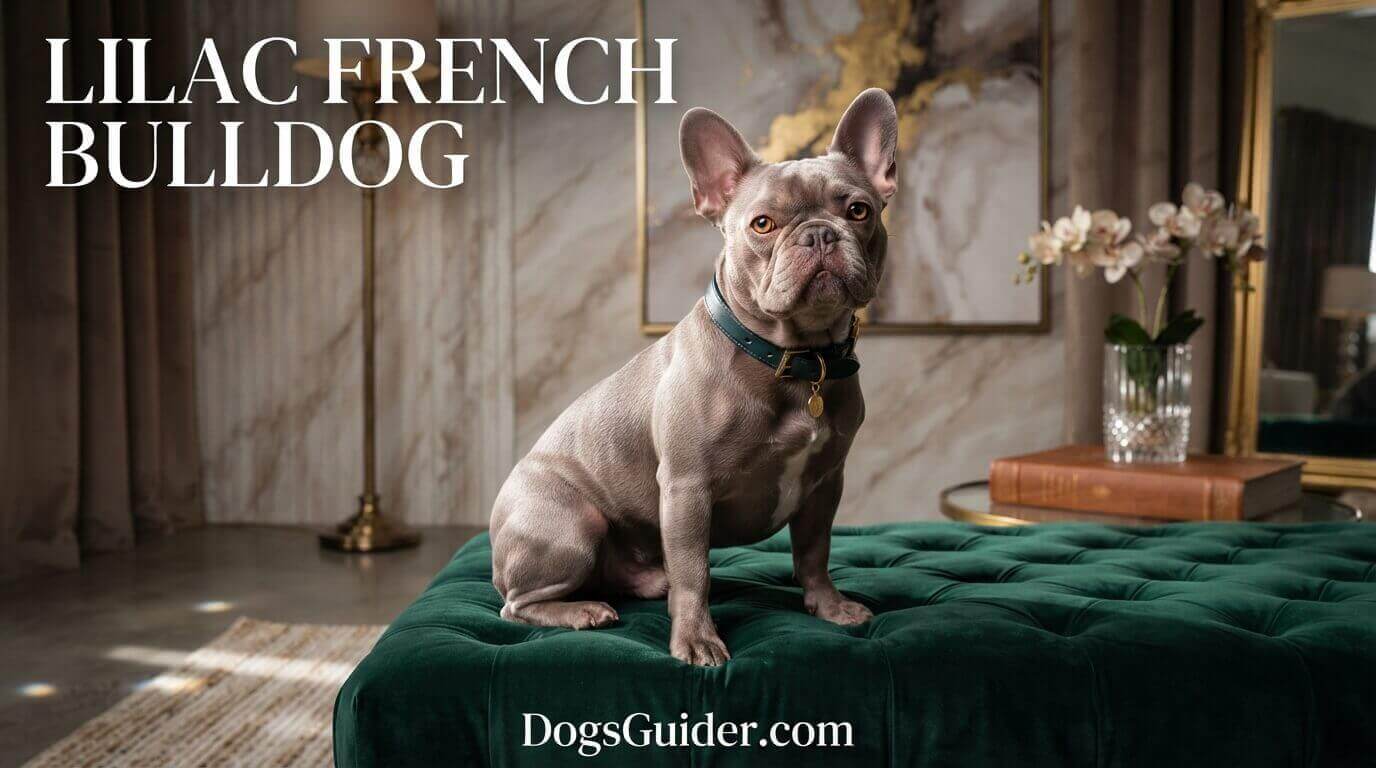
A Lilac Merle French Bulldog combines the double-dilute lilac base with the merle marbling pattern, producing one of the rarest and most expensive color combinations in the breed: a pale lilac coat with darker mottled patches.
Because this dog carries three separate genetic factors (dilution, chocolate, and merle), the same merle-specific precautions apply: confirm whether both parents were merle to rule out double-merle deafness or vision risk, in addition to verifying the lilac genetics themselves.
Skin and Coat Considerations
Because Lilac French Bulldogs share the same dilution gene as blue, the same general skin sensitivity discussed for blue Frenchies (thinner coat, increased sensitivity to cold, and a documented but manageable risk of pigment-related coat issues) can apply here as well.
Reputable breeders will speak openly about this rather than claiming the color carries zero risk.
How Much Does a Lilac French Bulldog Cost?
- Standard Lilac: $3,500 – $6,000
- Lilac Fawn / Lilac Brindle: $5,000 – $8,000
- Lilac Merle: $7,000 – $12,000+
- Exceptional bloodline or documented DNA-verified lines: $10,000+
The wide range reflects how much lineage documentation and genetic testing matter here. Two puppies that look nearly identical in photos can be priced thousands apart depending on whether the color is DNA-confirmed.
Questions to Ask Before Buying a Lilac Frenchie
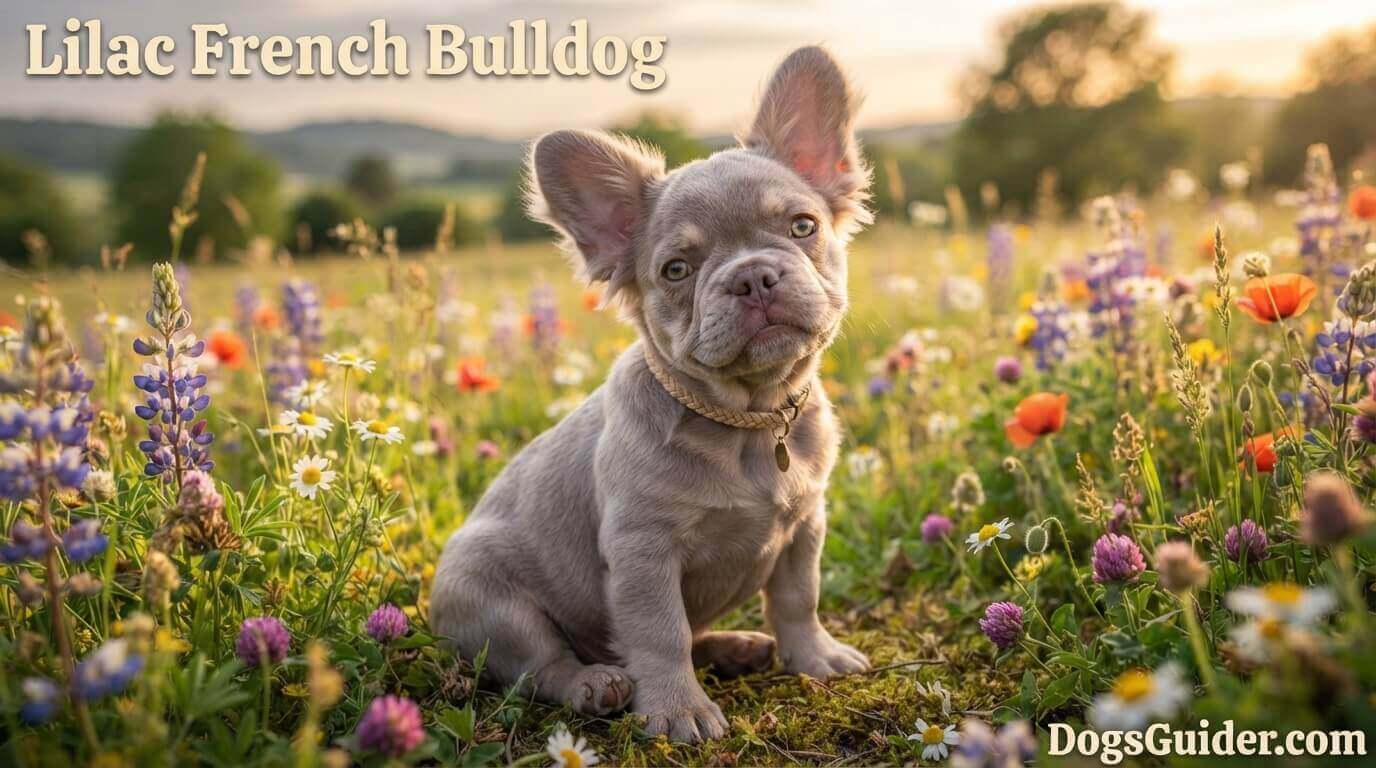
- “Can you provide DNA test results confirming the d/d and b/b genotype?” This is the single most important question; refusal or hesitation is a major red flag.
- “Can I see the parents, not just the puppy?” Both parents should visibly carry lilac-consistent traits (light eyes, diluted pigment).
- “Is this puppy actually lilac, or blue fawn?” Ask directly; the two are commonly confused and mislabeled.
- “If this is a lilac merle, were both parents merle?” Applies the same double-merle screening covered for other merle combinations.
Bottom Line
A genuine Lilac French Bulldog is a real, naturally occurring color, not a myth, but also not something to take a seller’s word for.
Between the price tag and how easily the color gets faked, DNA verification isn’t optional paranoia here; it’s the standard a responsible buyer should expect.
FAQs
1. What genes make a Lilac French Bulldog?
Two recessive genes combined: the dilution gene (d/d) and the chocolate/cocoa gene (b/b). A puppy needs two copies of both to be genuinely lilac.
2. How can I verify a puppy is really lilac and not blue?
Check the eye color and request DNA testing. True lilacs have light amber or yellow eyes, while blue Frenchies typically have dark eyes. DNA testing (Embark or similar) is the only fully reliable confirmation.
3. Why are Lilac French Bulldogs so expensive?
Genetic rarity. Both parents must carry two separate recessive genes simultaneously, and even then only a fraction of the litter is likely to be lilac, driving both scarcity and price.
4. Is Lilac a recognized French Bulldog color?
No. Like several other “designer” colors, lilac isn’t part of the official AKC breed standard, though it’s still a genuine, naturally occurring color combination within the breed’s gene pool.
5. What’s the price difference between Lilac and Lilac Merle?
Lilac Merle typically costs $2,000–$5,000 more than standard lilac, since it combines double-dilution genetics with the added rarity and complexity of the merle pattern.
6. Do Lilac French Bulldogs have health problems specific to the color?
Not uniquely, though they share the same dilution-related skin sensitivity discussed with blue Frenchies. Lilac itself doesn’t pose any additional health risk beyond that.

Sarah Mitchell has been raising French Bulldogs for over 9 years in Austin, Texas. After adopting her first Frenchie, Biscuit, she became passionate about helping new owners navigate the unique needs of the breed from breathing care to diet and heat safety. Sarah has worked closely with local veterinarians and attended the AKC National Championship three times as a breed enthusiast. Her guides focus on practical, real-world advice for American Frenchie owners.