

Introduction
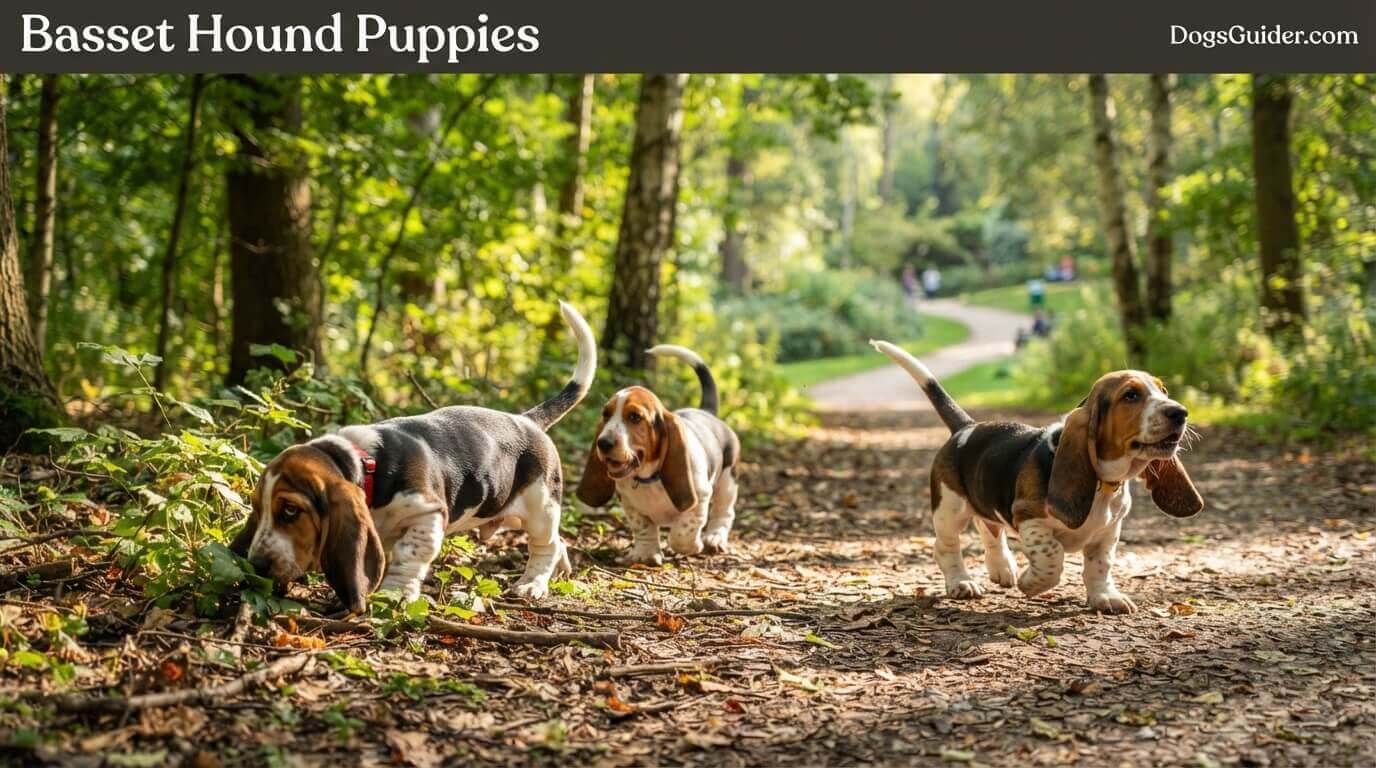
With their velvety ears, droopy eyes, and famously gentle nature, Basset Hound puppies are one of the most recognizable and beloved breeds in America. Whether you’re searching for a single Basset Hound puppy or comparing a whole litter, this guide will help.
But before you bring one home, it helps to know what a fair price looks like, how to spot a reputable breeder, and what to expect from this low-slung scent hound’s temperament and health.
This guide covers everything you need to know about finding the right Basset Hound puppy, from cost to care. This guide covers everything you need to know about Basset Hound puppies, from cost to care.
Basset Hound Puppies at a Glance
- Height: 11-15 inches at the shoulder
- Weight: 40-65 pounds (adult)
- Lifespan: 10-12 years
- Coat: Short, smooth, low-maintenance
- Temperament: Gentle, affectionate, easygoing, mildly stubborn
- Exercise needs: Moderate, daily walks, not high-intensity
- Good for: Families, first-time owners, multi-pet households
- Average price: $500-$1,500 from a breeder; around $300 to adopt
Basset Hound Puppies: Breed Origin and History

Basset Hound puppies descend from the St. Hubert Hound, a French scent hound breed dating back centuries. “Basset” comes from the French word “bas,” meaning low, referring to the breed’s short-legged, low-to-the-ground build, a trait originally bred to let hunters on foot keep pace with the dog while tracking small game by scent.
The American Kennel Club officially recognized the Basset Hound in 1885, and the breed has remained a beloved family companion ever since, thanks to its calm temperament and one of the most powerful noses in the canine world.
Basset Hound Puppies: Temperament and Personality
Basset Hound puppies grow into famously easygoing, affectionate adults, but they come with a few personality quirks worth knowing in advance:
- Gentle and patient, one of the best-natured breeds around children and other pets
- Independent streak bred to follow scent trails on their own, so they can be stubborn during training
- Vocal is known for a distinctive, deep bay, especially when they catch an interesting scent
- Food-motivated, this makes training easier with the right treats, but also means Bassets can overeat if portions aren’t controlled
- Low energy indoors, curious outdoors, content to relax at home, but their nose can lead them on an adventure if off-leash in an unfenced area
How Much Do Basset Hound Puppies Cost?
Basset Hound puppy prices vary depending on where you get one and the breeder’s health testing practices:
- Rescue or shelter adoption: around $300, which typically includes vaccinations and spay/neuter
- Backyard or unverified breeders: often $500-$800. Ask carefully about health testing at this price point
- Reputable, health-tested breeders: typically $1,000-$1,500, with the national average landing around $1,270
- Show-quality or champion bloodlines can exceed $2,000
A price far below the market average is often a sign of a puppy mill or a breeder skipping essential health screening — always ask what’s included in the price, such as vaccinations, deworming, and health guarantees.
What to Look for in a Reputable Basset Hound Breeder
1. Health Testing and Clearances
Basset Hounds are prone to specific health conditions, so ask breeders for OFA (Orthopedic Foundation for Animals) clearances on hips and elbows, along with eye exams, since the breed can be prone to glaucoma and other eye conditions.
2. Willingness to Show You the Puppy and Parents
A trustworthy breeder will let you see the puppy in person or via live video, ideally alongside the mother, so you can observe temperament and living conditions firsthand.
3. A Written Health Guarantee
Reputable breeders back their puppies with a written health guarantee. Get the specific terms in writing before paying any deposit.
4. Vet Records and Vaccination History
Ask for proof of vet checks, deworming, and vaccinations appropriate to the puppy’s age. No documentation is a major red flag.
5. AKC Registration (If Applicable)
If you want a purebred, registered Basset Hound, confirm the breeder registers litters with the AKC and can provide the appropriate paperwork.
Red Flags to Avoid When Buying Basset Hound Puppies
- Prices are suspiciously below the market average with no clear explanation
- Pressure to pay a deposit immediately, before you’ve asked any questions
- Reluctance to answer questions about health testing or to show vet records
- Multiple breeds or litters “always available ” is a sign of high-volume breeding rather than a small, careful breeder
- Only accepting untraceable payment methods like wire transfer or gift cards
Where to Find Basset Hound Puppies
AKC Marketplace and Breed Clubs
The AKC Marketplace lists Basset Hound breeders with AKC-registered parents, and the Basset Hound Club of America can point you toward vetted, reputable breeders in your region.
Rescue Organizations
Breed-specific Basset Hound rescues are widely available and typically the most affordable route, with the added benefit of adopting a dog that may already be house-trained.
Local and Regional Breeders
Independent breeders are often easiest to verify in person. Ask your local vet clinic if they know of any reputable Basset Hound breeders nearby.
Basset Hound Puppies: Health Considerations
Because of their long ears, short legs, and loose skin, Basset Hound puppies can be prone to a few breed-specific health issues:
- Ear infections: Their long, low-hanging ears trap moisture and debris, so regular cleaning is essential
- Hip and elbow dysplasia are common in breeds with a heavy body and short legs
- Obese Bassets are prone to weight gain, which puts extra strain on their back and joints
- Intervertebral disc disease (IVDD), their long spine and short legs make back problems more likely
- Eye conditions, including glaucoma and cherry eye
Caring for a Basset Hound Puppy
- Ear care: clean ears weekly to prevent infections
- Weight management: measure food portions carefully and limit table scraps to protect their joints and spine
- Exercise: daily walks are ideal; avoid excessive jumping or stair use while the puppy’s joints are developing
- Training: start early with positive reinforcement, since their independent streak means consistency matters more than harsh correction
- Leash safety: always keep them on a leash in unfenced areas, since their powerful nose can lead them to wander off after a scent
Final Thoughts
Basset Hound puppies grow into some of the most loyal, gentle, and low-maintenance family companions around, but finding the right one starts with choosing a breeder who prioritizes health testing and transparency.
Whether you go through a reputable breeder or a breed-specific rescue, taking the time to verify health records and ask the right questions will set your new Basset Hound up for a long, happy life by your side.
FAQs
1. How much do Basset Hound puppies cost?
Basset Hound puppies typically cost between $500 and $1,500 from a breeder, with the national average around $1,270. Adoption through a rescue is generally cheaper, around $300.
2. Are Basset Hound puppies good with kids?
Yes. Basset Hound puppies grow into gentle, patient adults that are widely considered excellent family dogs, known for being tolerant and good-natured with children.
3. How big do Basset Hound puppies get?
Adult Basset Hounds typically stand 11-15 inches tall at the shoulder and weigh between 40 and 65 pounds, making them a surprisingly solid, heavy-bodied breed despite their short legs.
4. Are Basset Hound puppies easy to train?
Basset Hounds are intelligent but independent, which can make training a bit slower compared to more eager-to-please breeds. Positive reinforcement and food-based rewards tend to work best, given their strong food motivation.
5. Do Basset Hound puppies have a lot of health problems?
Basset Hounds can be prone to ear infections, hip dysplasia, obesity, and back problems due to their long spine and short legs. Choosing a breeder who health-tests parent dogs significantly reduces these risks.
6. How much exercise do Basset Hound puppies need?
Basset Hound puppies need moderate exercise; daily walks are usually enough. Because of their joint and spine structure, avoid excessive jumping or high-impact activity, especially while they’re still growing.

Sarah Mitchell has been raising French Bulldogs for over 9 years in Austin, Texas. After adopting her first Frenchie, Biscuit, she became passionate about helping new owners navigate the unique needs of the breed from breathing care to diet and heat safety. Sarah has worked closely with local veterinarians and attended the AKC National Championship three times as a breed enthusiast. Her guides focus on practical, real-world advice for American Frenchie owners.


[…] Wire Fox Terrier’s origins trace back to 18th-century Britain, where hunters bred a scrappy, tenacious terrier to […]
[…] Dachshund puppies were originally bred in Germany to hunt badgers underground, which explains their long, low body shape and fearless personality. […]
[…] choosing the best dog food for skin allergies, it helps to know that skin problems in dogs have several possible […]