Introduction
This guide covers what a Toy Aussie actually is, how breeders create one, honest pricing, and the red flags that separate a responsible small-scale breeder from someone selling you a regular Aussie puppy at a toy-sized markup.
Is It a Real Breed?
No, not officially. The Toy Australian Shepherd is not recognized by the AKC or the UK’s Royal Kennel Club as a separate breed.
What most people call a “Toy Aussie” is essentially an undersized Miniature American Shepherd, a related but genuinely recognized breed, bred down even further in size by dedicated toy and small-dog registries rather than mainstream kennel clubs.
Standard, Mini, and Toy: Untangling the Confusion
| Size Variant | Height | AKC Status |
|---|---|---|
| Standard Australian Shepherd | 18-23 inches | Recognized (since 1979) |
| Miniature American Shepherd (formerly “Mini Aussie”) | 13-18 inches | Recognized (since 2015) |
| Toy Australian Shepherd | Under 13 inches (varies by breeder) | Not recognized; registered through toy/small-dog registries like ASDR |
This three-tier history matters because it shows the Toy Aussie isn’t a scam invention out of nowhere; it’s the end result of decades of breeders selecting for smaller size that simply never received official recognition, unlike its mini-sized cousin.
How Toy Australian Shepherds Are Actually Bred
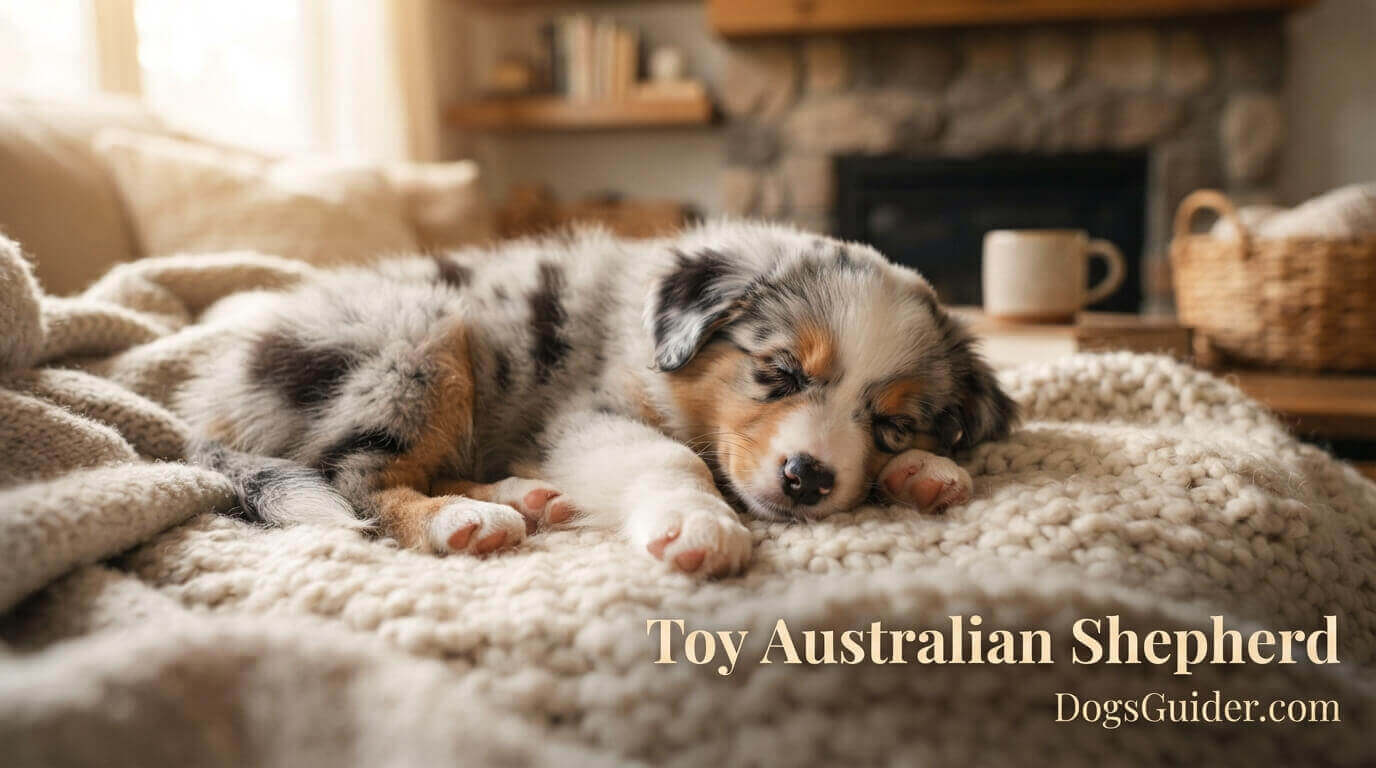
Because there’s no official breed standard to enforce health and size consistency, Toy Aussies are produced through a few different methods, not all equally responsible:
- Selective breeding of smaller Mini American Shepherds is the more defensible method, gradually selecting for smaller size within an already-recognized breed
- Breeding runts together: intentionally pairing the smallest puppies from different litters, which can concentrate underlying health issues rather than just size
- Inbreeding used by some breeders chasing extreme smallness, with real consequences for genetic health
- Malnourishment is a documented, deeply unethical practice where puppies are deliberately underfed to stunt growth
This is exactly why the “Toy Aussie” label tells you very little on its own. The same name covers everything from a carefully, gradually downsized Mini American Shepherd to a malnourished puppy from a breeder chasing a trend.
The Scam Risk Is Real
Because there’s no governing body to verify a Toy Australian Shepherd’s size or lineage, this breed variant has become a known target for scammers.
Buyers have reported paying premium prices for a “Toy Aussie” puppy that simply grows into a full-sized standard Australian Shepherd, with no recourse since there’s no official breed standard the seller violated.
Treat any “Toy Aussie” listing with the same scrutiny you’d apply to an unusually good deal from an unfamiliar seller.
How Much Does One Cost?
| Source | Reported Range |
|---|---|
| Lower estimates | $500 – $1,800 |
| Commonly cited mid-range | $1,000 – $2,500 |
| Higher-end / rare coloring | $1,800 – $4,500 |
Prices vary this widely largely because there’s no standardized breed to compare against, unlike buying a fully AKC-recognized breed with an established price range. A price far below $500 is a major red flag; a price in the thousands doesn’t automatically guarantee you’re getting a genuinely small, healthy adult either.
Red Flags When Buying One
- Prices under $500 with no clear explanation
- No health clearances for the parent dogs, particularly hip and eye testing
- “Toy” labeling with no registry mentioned, rather than clear reference to ASDR or another established small-dog registry
- No willingness to show adult parent dogs, which is your best evidence of the puppy’s likely adult size
- Vague answers about breeding methods when asked directly how the small size was achieved
Temperament and Care
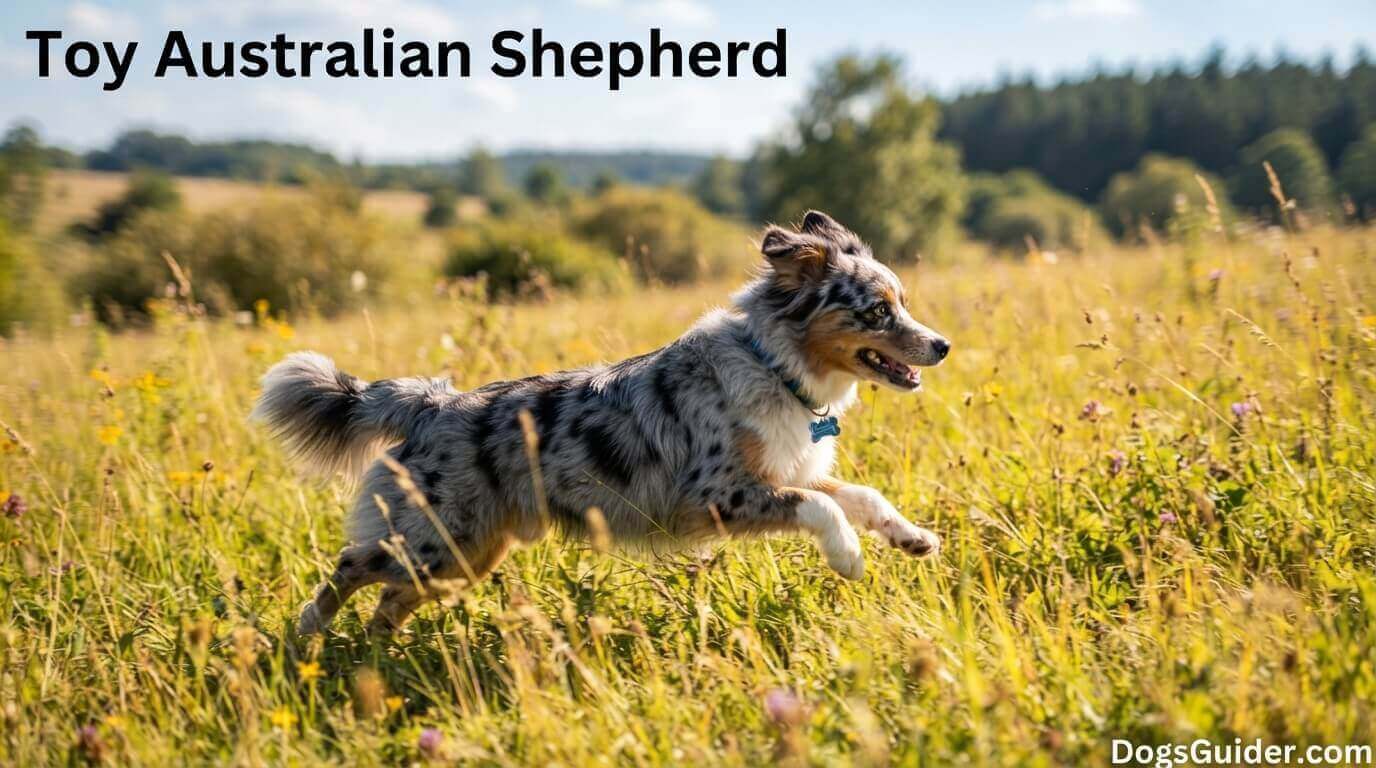
Beyond the size and recognition confusion, this variant carries much of the same personality as its larger relatives:
- High energy, true to its herding heritage, this is not a low-key lapdog despite the small size
- Highly intelligent, it needs consistent mental stimulation or will find its own, often destructive, entertainment
- Loyal and people-oriented, forms strong bonds with family
- Prone to hip dysplasia and eye issues; the same health concerns seen in standard and mini Aussies, which is exactly why health testing matters regardless of size
Exercise Needs: Small Body, Big Energy
Don’t let the small frame fool you into expecting an easy, low-maintenance lapdog. This variant typically needs 45-60 minutes of real daily activity, ideally combining physical exercise with mental challenges like puzzle toys or basic obedience work.
Without enough outlets, the breed’s herding instincts and intelligence tend to surface as unwanted behaviors: nipping at heels, excessive barking, or destructive chewing.
A securely fenced yard or consistent leash walks are essential, since the strong herding drive can mean chasing after joggers, cars, or other pets.
Should You Buy One?
If you’re drawn to the Aussie temperament in a smaller package, this variant can work well for the right owner, provided you find a breeder who’s transparent about their methods, tests for health issues, and can show you adult parent dogs.
If size certainty and official breed documentation matter most to you, a recognized Miniature American Shepherd may be the more predictable, better-documented choice.
Final Thoughts
The Toy Australian Shepherd’s lack of official recognition isn’t just a technicality; it’s the reason this variant requires more buyer caution than most.
A responsible breeder can still produce a genuinely healthy, smaller Aussie through careful, gradual selection, but the absence of a governing breed standard means the burden of verification falls entirely on you.
Ask the hard questions, meet the parents, and insist on health documentation, and you can find a loyal, loving Toy Aussie without becoming a cautionary tale.
FAQs
1. Is the Toy Australian Shepherd recognized by the AKC?
No. The AKC recognizes the Standard Australian Shepherd and the Miniature American Shepherd, but not the Toy Australian Shepherd, which is maintained by separate toy and small-dog registries like the American Stock Dog Registry.
2. How much does one cost?
Reported prices commonly range from $1,000 to $2,500, though some sources cite ranges as wide as $500 to $4,500 depending on the breeder, lineage, and coloring.
3. Why are Toy Australian Shepherds a common scam target?
Because there’s no official breed standard to verify size or lineage, some sellers market regular-sized Australian Shepherd puppies as “Toy Aussies” at inflated prices, only for the puppy to grow into a full-sized dog.
4. Is a Toy Australian Shepherd the same as a Mini American Shepherd?
Not exactly. The Miniature American Shepherd is an AKC-recognized breed, while the Toy Australian Shepherd is an even smaller, unrecognized size variant, sometimes bred from undersized Mini American Shepherds.
5. Are they healthy?
Health depends heavily on the individual breeder’s practices. Responsible breeding can produce a healthy, smaller dog, but methods like breeding runts, inbreeding, or malnourishment, sometimes used to chase extreme smallness, carry real health risks.
6. What should I ask a breeder before buying one?
Ask how the small size was achieved, request health clearances for hips and eyes, ask to see the adult parent dogs, and confirm registration with an established small-dog registry rather than a vague “toy” label alone.

Sarah Mitchell has been raising French Bulldogs for over 9 years in Austin, Texas. After adopting her first Frenchie, Biscuit, she became passionate about helping new owners navigate the unique needs of the breed from breathing care to diet and heat safety. Sarah has worked closely with local veterinarians and attended the AKC National Championship three times as a breed enthusiast. Her guides focus on practical, real-world advice for American Frenchie owners.
[…] food briefly. Many vets suggest resting the stomach for about 6 to 12 hours in healthy adult Dogs Puking Up Yellow. Do not fast puppies, toy breeds, seniors, or diabetic dogs without your vet’s […]