
Introduction
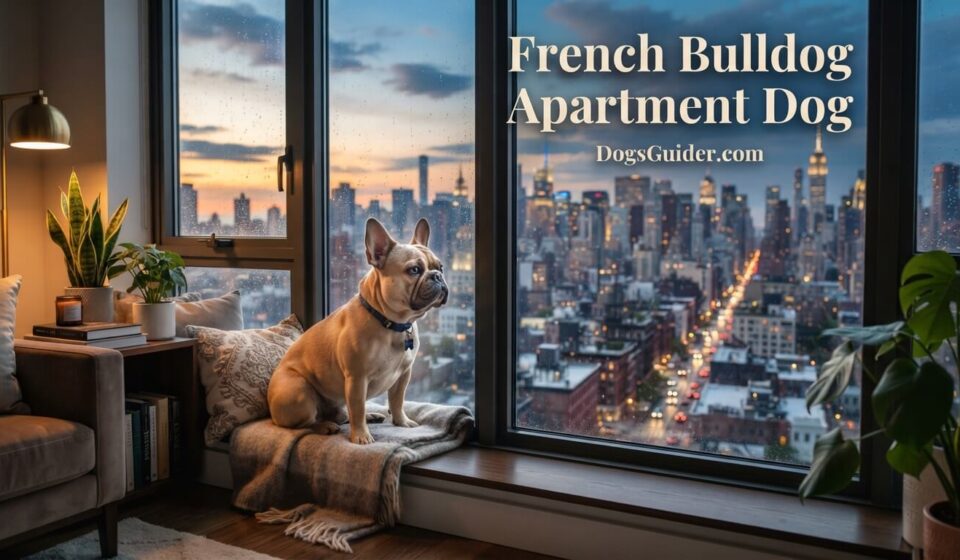
French Bulldog makes an excellent apartment dog for most lifestyles, particularly for owners who work standard hours and want a low-maintenance, affectionate companion.
But “good apartment dog” isn’t the same as “effortless.” Here’s an honest, detailed look at whether the fit is really right for you specifically, not just a generic yes.
Most articles on this topic give you a quick checklist and move on. This guide goes further: real daily routines, honest tradeoffs, cost comparisons, and the specific situations where a Frenchie isn’t actually the right apartment dog, even though it’s often recommended as one.
Why French Bulldogs Get Recommended for Apartments So Often
Three traits drive this reputation: their small size (typically 16–28 lbs), their naturally low exercise requirement, and their tendency to bark far less than most breeds.
Combined, these traits mean a French Bulldog Apartment Dog can live comfortably in a studio apartment without a yard, without disturbing neighbors, and without demanding hours of daily exercise most apartment dwellers simply don’t have time for.
But recommendation lists rarely mention the trade-offs that come with those same traits, which is where this guide differs.
Who a French Bulldog Apartment Dog Is Best For
- First-time dog owners who want a manageable, forgiving breed to start with, without the training intensity of a working breed
- Remote or hybrid workers who can break up the day with short walks and play sessions between meetings
- Couples or singles without young children who need constant supervision around a small, physically delicate dog
- City dwellers without easy yard access but with nearby parks or green space for short outdoor breaks
- Owners in moderate climates where extreme heat isn’t a daily summer concern
Who Should Reconsider This Breed
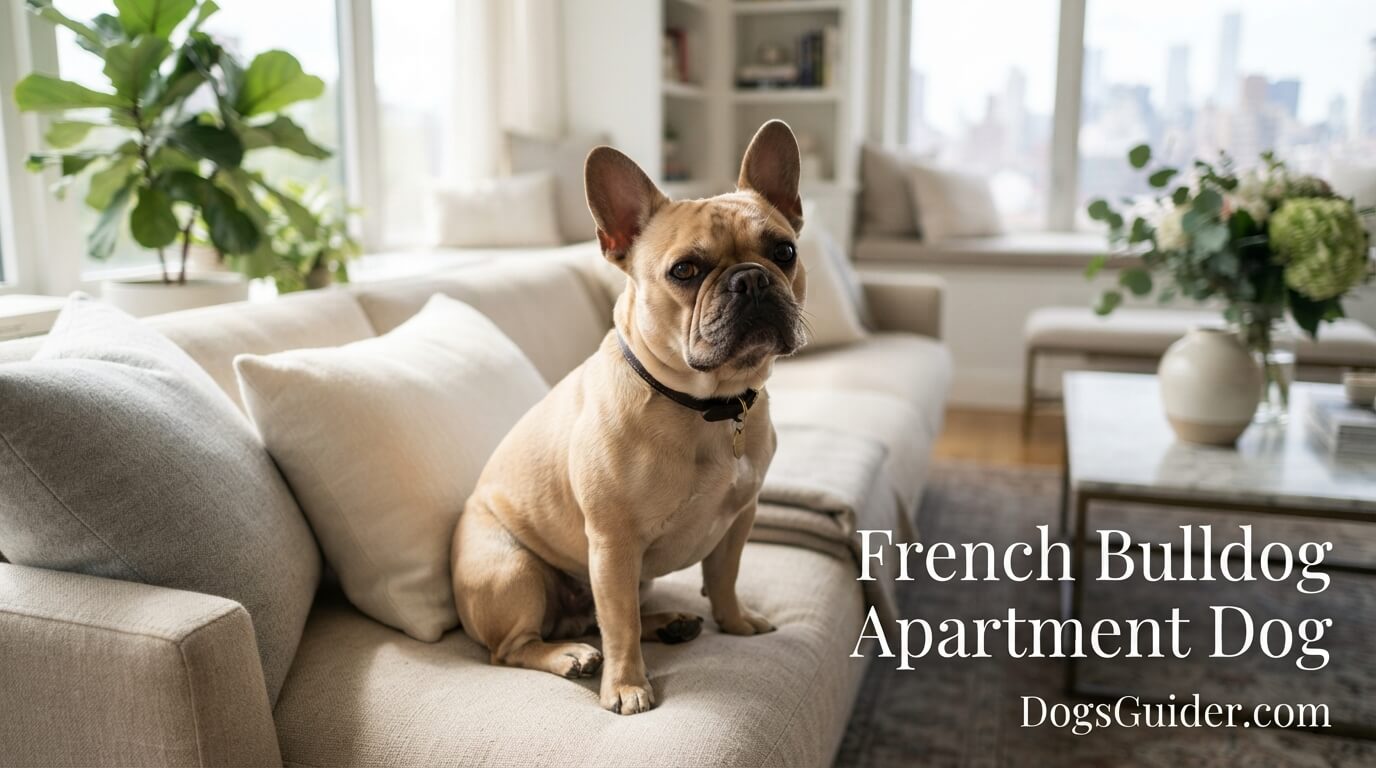
- Owners who travel frequently, Frenchies bond intensely with their people and don’t do well with long stretches alone or frequent boarding stays
- Very active households wanting a jogging, hiking, or long-distance walking companion, this simply isn’t that breed, regardless of how “small dog, small needs” sounds
- Budget-conscious owners are unprepared for potential brachycephalic-related veterinary costs, which can run higher than average for small breeds
- Households without reliable air conditioning in hot climates, where heat regulation becomes a genuine safety issue rather than a minor inconvenience
- Owners working long, unpredictable hours without a plan for midday dog walks or daycare
A Day in the Life: French Bulldog Apartment Dog Routine
| Time | Activity |
|---|---|
| 7:00 AM | Short walk (10–15 min), breakfast |
| 9:00 AM–5:00 PM | Rest, occasional play, napping (Frenchies sleep up to 14 hours daily) |
| 12:30 PM | Optional midday potty break or dog walker visit |
| 5:30 PM | Evening walk, dinner |
| 7:00–9:00 PM | Active family time, short training session, play |
| 9:00 PM+ | Wind down, settle for the night |
This routine looks manageable on paper, and it generally is, but the 9-to-5 gap is where owners underestimate the breed’s needs. A Frenchie left completely without stimulation during that window, day after day, is where boredom-related issues start to appear.
Behavioral Traits That Matter in Close Quarters
Separation Tolerance
French Bulldog Apartment Dog forms strong attachments and can develop anxiety-related behaviors if left alone for very long stretches regularly.
In an apartment, this often shows up as vocalization audible to neighbors or destructive chewing, worth planning around with a dog walker or doggy daycare if you work long hours away from home.
Sociability with Visitors and Neighbors
Most Frenchies are friendly with guests, which matters significantly in apartment buildings with shared hallways, elevators, and frequent neighbor encounters.
Early socialization makes elevator rides and hallway greetings far less stressful for everyone involved, including your dog.
Adaptability to Routine Changes
Apartment living often means less predictable schedules, deliveries at odd hours, hallway noise, and neighbors’ pets passing by the door.
French Bulldog Apartment Dog generally adapts well to this kind of ambient unpredictability compared to more reactive, alert-driven breeds like terriers or herding dogs.
Reaction to Household Density
Multi-unit buildings mean more scent and sound stimulation than a standalone house.
Frenchies typically handle this well since they aren’t naturally territorial barkers, but individual temperament varies, and poorly socialized dogs of any breed can develop reactivity in dense environments.
Cost Comparison: Frenchie vs Typical Apartment Breeds
| Breed | Avg. Monthly Cost | Vet Cost Risk |
|---|---|---|
| French Bulldog | $100–$180 | Higher (brachycephalic-related) |
| Cavalier King Charles Spaniel | $90–$150 | Moderate |
| Mixed breed (small) | $70–$120 | Lower |
| Pug | $95–$160 | Higher (also brachycephalic) |
The higher potential vet cost isn’t a reason to avoid the breed, but it is a reason to budget realistically or consider pet insurance from puppyhood, before any pre-existing conditions could affect coverage.
Space Requirements: What “Small Apartment” Actually Means
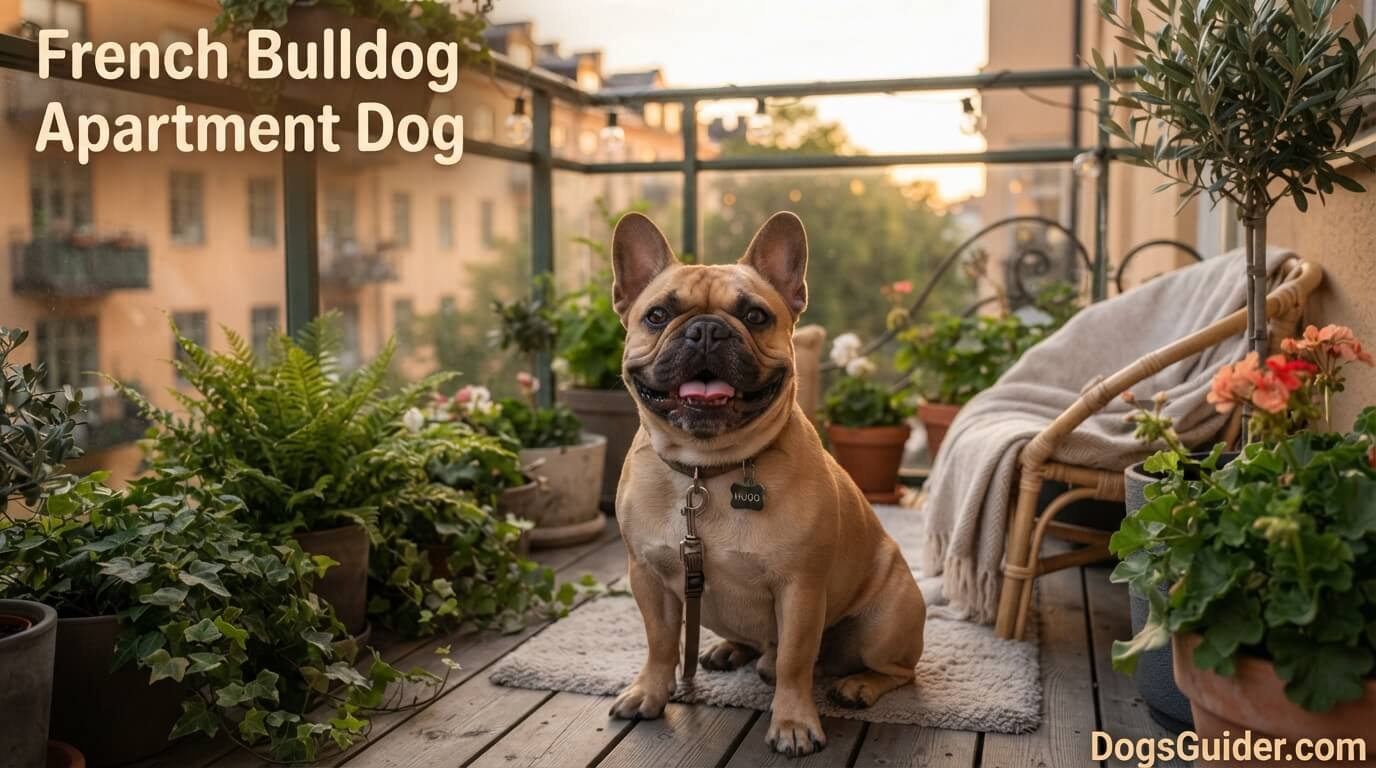
A French Bulldog doesn’t need a specific square footage, but it does benefit from a few defined zones: a designated sleeping area away from foot traffic, enough floor space to stretch out fully (they sleep sprawled more than curled), and a spot near a window if possible, since many Frenchies enjoy watching outside activity.
Even a 400–500-square-foot studio comfortably accommodates all of this.
Managing Noise Complaints in Multi-Unit Buildings
While barking is rarely the issue, snoring can be a natural result of their compressed airway anatomy, not a behavioral problem that training can resolve.
If you share a wall with a light sleeper, this is worth mentioning upfront rather than letting it become a surprise complaint later.
Making the Final Decision
- Confirm your building allows the breed and check weight or pet policy restrictions before falling in love with a specific puppy
- Assess your typical work schedule honestly: can you realistically provide 2–3 outdoor breaks daily, or arrange for someone who can?
- Check whether your unit has reliable, consistent air conditioning for summer months, not just a single window unit in one room
- Budget for potential brachycephalic-related vet costs, ideally with pet insurance secured while your dog is still young and healthy
- Visit a local Frenchie meetup, shelter, or breeder to interact with the breed in person before committing to a purchase or adoption
Key Takeaways
A French Bulldog apartment dog is best suited to owners with manageable schedules, reliable cooling, and realistic expectations about companionship needs.
Get those three things right: climate control, a plan for daytime hours, and a budget for health care, and this breed genuinely thrives in even the smallest city apartment, no compromises needed on either side.
FAQs
1. Is a French Bulldog a good first apartment dog?
Yes, generally. Their manageable size, low exercise needs, and affectionate nature make them a forgiving choice for first-time owners in smaller spaces.
2. Do French Bulldogs get bored easily in apartments?
They can if left without mental stimulation for long stretches. Puzzle toys and short daily training sessions help prevent boredom-related behaviors like chewing.
3. How much space does a French Bulldog actually need?
Very little: a studio or one-bedroom apartment provides more than enough room, since Frenchies don’t require space for running or high-energy play.
4. Can a French Bulldog be left alone all day in an apartment?
Not ideally. While they sleep a lot, extended isolation of 8 or more hours regularly can lead to separation anxiety; a midday dog walker or daycare visit helps significantly.
5. Are French Bulldogs a good fit for high-rise apartments specifically?
Yes, with caveats, ensure reliable air conditioning throughout the unit and consider elevator access to reduce stair strain on their joints and spine over time.
6. Do French Bulldogs need a dog park or yard nearby?
Not strictly, though occasional access to green space is beneficial for mental stimulation and socialization, even if it’s not part of their daily routine.

Sarah Mitchell has been raising French Bulldogs for over 9 years in Austin, Texas. After adopting her first Frenchie, Biscuit, she became passionate about helping new owners navigate the unique needs of the breed from breathing care to diet and heat safety. Sarah has worked closely with local veterinarians and attended the AKC National Championship three times as a breed enthusiast. Her guides focus on practical, real-world advice for American Frenchie owners.

[…] French Bulldog for apartment living are satisfied with two to three short walks a day rather than a long run. Much of their daily activity happens in short bursts of play rather than sustained running, so they don’t need a yard to burn off energy. […]
[…] Buying a French Bulldog puppy without seeing it in person is risky. When you visit, evaluate these four areas closely: […]
[…] name suggests, this breed has little to no coat at all, making it one of the most allergy-friendly hypoallergenic dog breeds available. It’s playful, alert, and easy to […]
[…] this system yourself, it explains why certain letters like R, S, and T produce clusters of trendy French dog names in certain years, and it’s a fun bit of inspiration if you want your dog’s name to feel […]