Anatolian Shepherd Puppies: Price, Growth & Buying Guide
Introduction
Few puppies grow into dogs as impressive as Anatolian Shepherd puppies. Bred for thousands of years to guard flocks across the harsh plains of Turkey, these big, calm, fiercely loyal dogs look like teddy bears for a few weeks and then turn into powerful protectors.
They are not a breed for everyone. Before you fall for the fluffy face, this guide explains what Anatolian Shepherd puppies are really like, how fast they grow, what they cost, how to train them, which health problems to watch for, and how to find a responsible breeder.
What Is an Anatolian Shepherd?
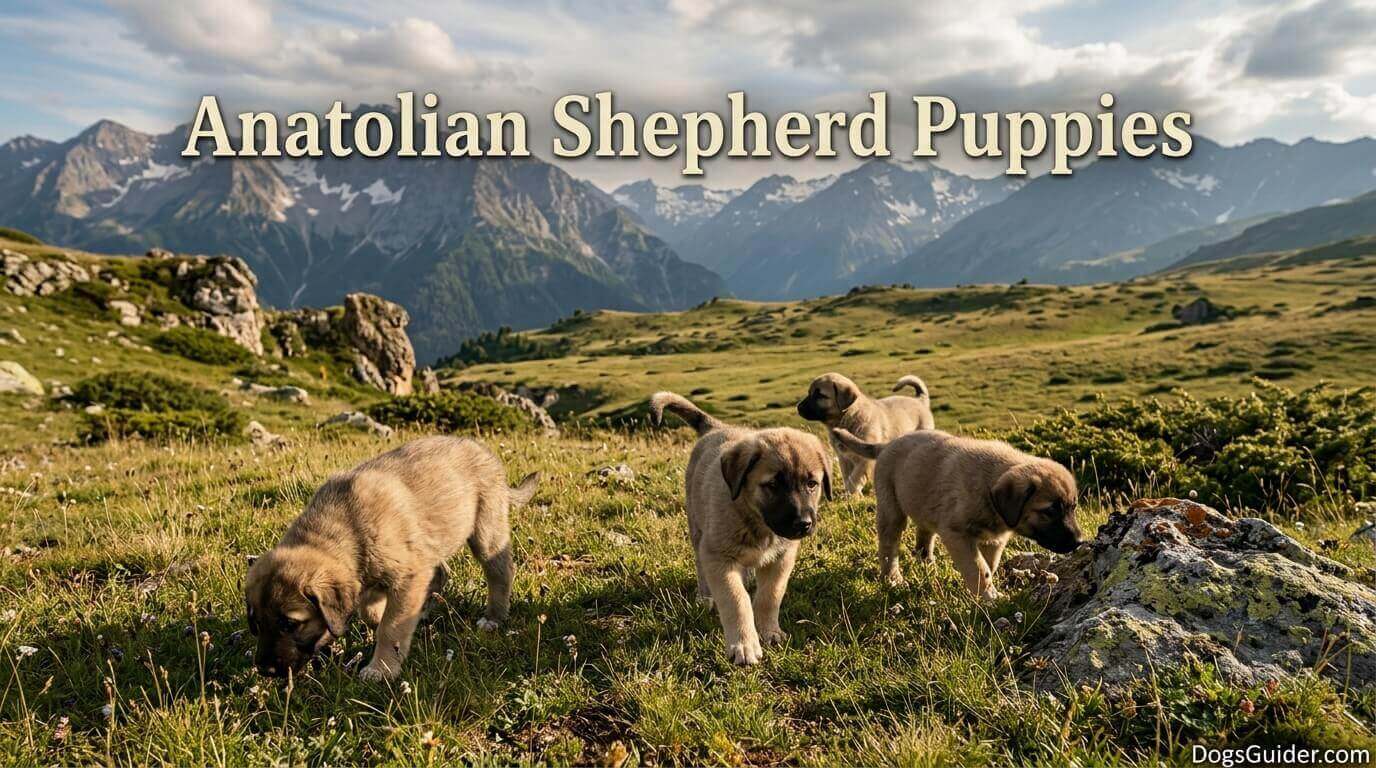
The Anatolian Shepherd Puppies is a large livestock guardian breed from the Anatolia region of Turkey. Shepherds there used these dogs to protect sheep and goats from wolves and other predators, often with little human supervision.
That history shapes everything about the breed today: they are independent thinkers, naturally protective, alert at night, and built for endurance.
The breed is known in Turkey as “Coban Kopegi,” which means shepherd’s dog. Modern Anatolian Shepherds are used around the world as livestock guardians, farm dogs, and, for experienced owners, family protectors.
In Africa, they are even used to protect livestock from cheetahs, which helps farmers avoid killing the wild cats.
Anatolian Shepherd vs Kangal
People often confuse the two. In Turkey, the Kangal is considered a distinct national breed with a strict standard, including a solid light coat and black mask.
Many kennel clubs outside Turkey treat the Anatolian Shepherd Puppies as a broader type with more color variation. They share ancestry and look similar, so ask breeders exactly which dog they are selling and what registry it belongs to.
Anatolian Shepherd Puppy Appearance
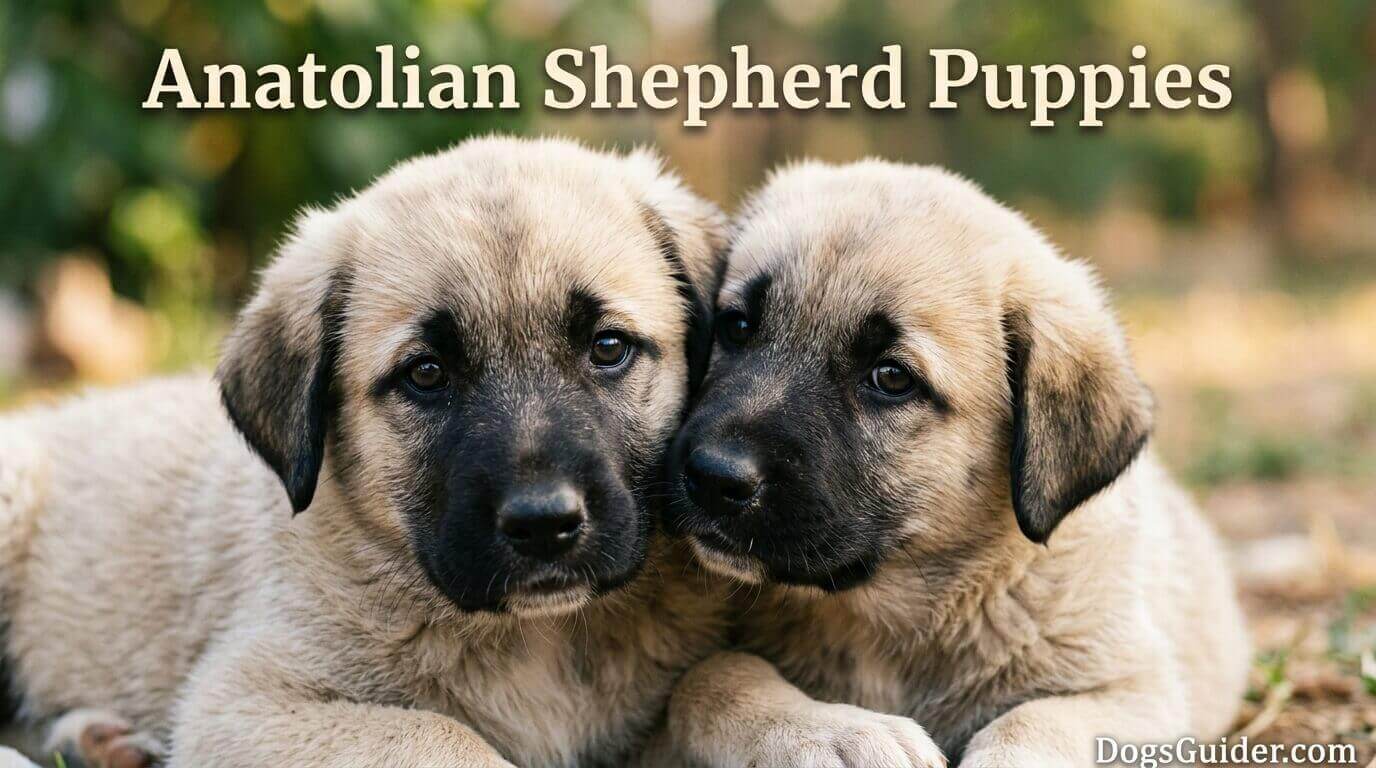
A newborn Anatolian puppy is usually fawn or cream with a dark mask, floppy ears, and a thick, soft coat. The puppy stage is short. Within months, the legs lengthen, the chest broadens, and the head grows large and square.
- Coat: A dense double coat that is weather-resistant. It can be short or slightly longer, and it sheds heavily, especially in spring and fall.
- Colors: Most commonly fawn with a black mask, but other colors such as brindle, white, and pinto can appear.
- Build: Athletic, long-legged, and muscular, with a deep chest and a curled tail.
How Big Do Anatolian Shepherds Get?
Anatolians are giant-sized for guard dogs. Adult males usually stand around 29 inches or more at the shoulder and weigh roughly 110 to 150 pounds.
Females are a little smaller, typically about 27 inches or more and 80 to 120 pounds. Their lifespan is usually around 10 to 13 years.
Puppy Growth: What to Expect
| Age | What Happens |
|---|---|
| 8 to 12 weeks | Puppy goes to a new home. Rapid weight gain begins. |
| 3 to 6 months | Fast growth. Many are already large, so manners and leash skills must start now. |
| 6 to 12 months | Adolescent stage. Guarding instincts begin to show. Testing boundaries is common. |
| 12 to 24 months | Height is close to final. The body fills out. |
| 2 to 3 years | Full maturity, both physically and mentally. |
These timelines are approximate. Because the breed grows so quickly, feed a large-breed puppy diet and avoid strenuous exercise on hard surfaces, which can stress developing joints.
Anatolian Shepherd Temperament
Anatolians are calm, proud, loyal, and highly protective. With their family, they are gentle and devoted. With strangers, they are usually reserved, and many will confront anything they see as a threat.
They are not natural “fetch and cuddle” dogs. They prefer to watch over their territory and make their own decisions.
- Independent: They were bred to work without constant instruction, so they do not always obey right away.
- Protective: They can be wary of visitors, and some will guard the yard, the house, and the family.
- Nocturnal guard: Many bark at night, which can annoy neighbors.
- Calm indoors: When well exercised, many are quiet and relaxed in the house.
Are Anatolian Shepherds Good Family Dogs?
They can be, but only in the right home. They need a large, securely fenced yard (at least 6 feet tall), experienced owners, and plenty of early socialization.
They are not suited to small apartments or first-time owners. With children, they are often tolerant and caring within the family, but their size and protective nature mean all interactions must be supervised. Visiting children can be misread as a threat.
How Much Do Anatolian Shepherd Puppies Cost?
Prices depend on country, breeder, and bloodline. In the United States, puppies from responsible breeders commonly cost around $800 to $2,000 or more.
Some UK sources list prices in the range of about £795 to £1,300. Working-line puppies from farms may cost less, while show or imported lines can cost more.
The purchase price is only the beginning. A giant breed eats a lot and has higher vet bills. Plan for:
- Large-breed puppy food and, later, adult food
- Vaccinations, spay or neuter, and parasite prevention
- Strong fencing and a sturdy bed
- Training classes with a trainer who knows guardian breeds
- Higher costs for medication and anesthesia because of their size
Training Anatolian Shepherd Puppies
Training this breed is about leadership, patience, and consistency, not force. Harsh methods can create fear or aggression in a dog this powerful.
- Socialize early and widely. Between 8 and 16 weeks, safely introduce your puppy to many people, sounds, surfaces, and calm dogs.
- Teach basic manners. Sit, down, wait, leave it, and loose-leash walking must be solid before your dog weighs 100 pounds.
- Use positive reinforcement. Treats and praise work better than pressure for an independent breed.
- Set boundaries. Be fair and firm about jumping, mouthing, and pulling from the beginning.
- Practice recall in a safe place. Many Anatolians have a strong tendency to roam, so keep them fenced or leashed.
- Introduce livestock carefully. If your dog will guard animals, let them bond under supervision before they are left alone with them.
Exercise and Space Needs
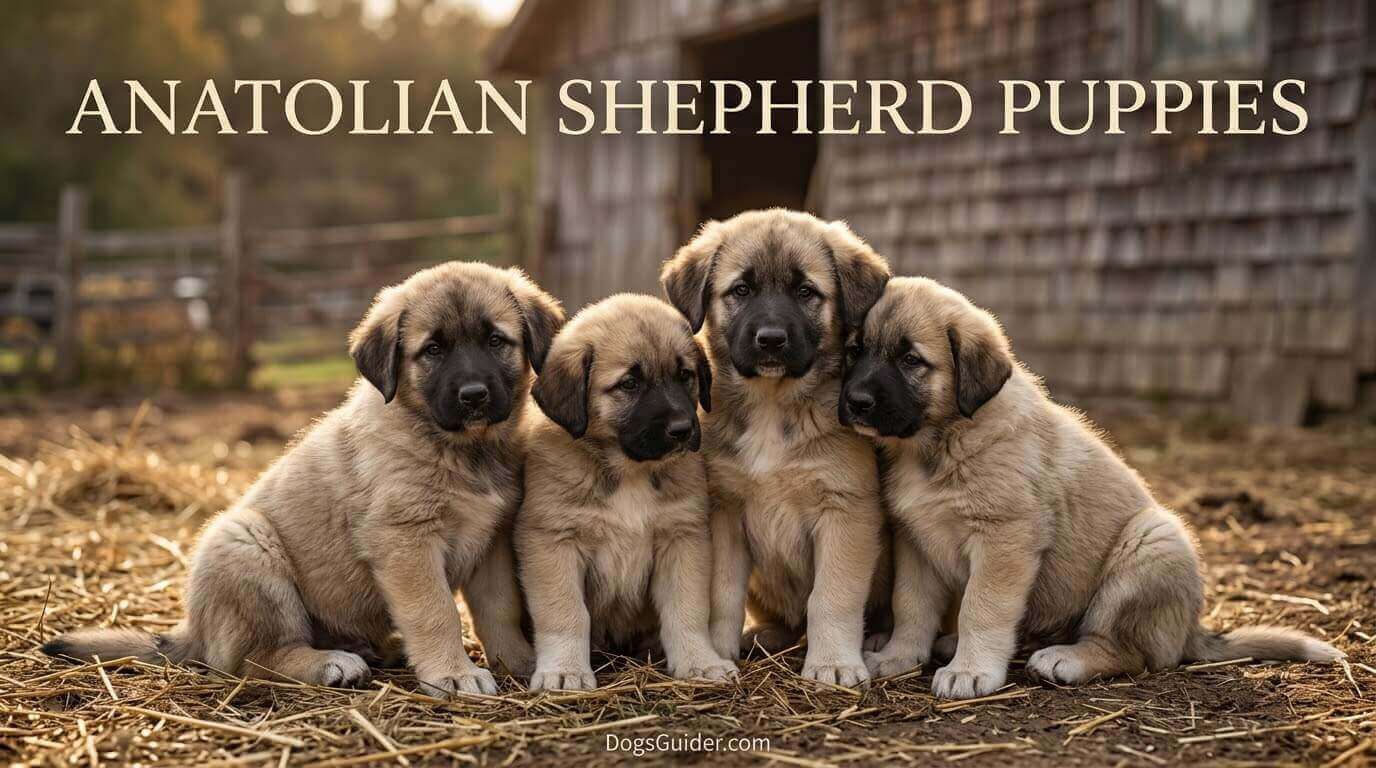
An adult Anatolian does not need constant running, but needs space and a daily routine. Two long walks and time to patrol a secure yard are often enough.
They are not good jogging partners for puppies. Never leave one on a long chain, which can lead to frustration and aggression. A secure fence is essential, since they are strong enough to push through weak barriers and can climb or jump if bored.
Grooming and Shedding
The thick double coat sheds heavily twice a year. Brush weekly, and daily during shedding season. Bathe only when needed. Check the ears, trim the nails, and brush the teeth regularly.
Because of their size, grooming sessions are easier if you start handling your puppy’s paws, ears, and mouth early.
Anatolian Shepherd Health Problems
Anatolians are generally hardy, but giant dogs share some risks:
- Hip and elbow dysplasia: Joint malformation that may cause arthritis.
- Entropion: An eyelid that rolls inward and irritates the eye.
- Bloat (gastric dilatation-volvulus): A life-threatening stomach twist in deep-chested dogs.
- Obesity: Extra weight worsens joint disease.
- Sensitivity to anesthesia: Some dogs of guardian and sighthound-like builds need special care. Tell your vet about your breed before any procedure.
Ask breeders for hip and elbow evaluations on both parents and any eye exam results. To reduce bloat risk, feed two smaller meals a day, avoid heavy exercise around mealtimes, and learn the signs: a swollen belly, unproductive retching, and restlessness.
How to Choose a Responsible Anatolian Shepherd Breeder
- Look for breed club contacts. The Anatolian Shepherd Puppies Club of America can point you toward ethical breeders.
- Ask for health testing. Request proof of hip and elbow evaluations for both parents.
- Meet the parents. The temperament of the parents is the best preview of your puppy.
- Ask about the dogs’ purpose. Working-line puppies can be more intense than pet-line puppies.
- Get a written contract with a health guarantee and a return clause.
- Expect to be screened. Good breeders care where their puppies go.
Red Flags to Avoid
- Puppies always available or sold at very low prices
- No health testing or refusal to let you meet the parents
- Puppies sold before eight weeks old
- Pressure to pay a deposit quickly or to ship a puppy sight unseen
- Claims that the puppies are “great for apartments” or “good for first-time owners”
Breed rescues are another option. Many adult Anatolians need new homes, often because owners underestimated the breed.
Is an Anatolian Shepherd Right for You?
Choose an Anatolian Shepherd Puppies if you have a large fenced property, experience with big independent dogs, and need a calm, protective companion or farm guardian.
Think twice if you live in an apartment, want a dog that obeys instantly, or have close neighbors who dislike barking. With the right home, this ancient guardian becomes a devoted, dignified protector.
FAQs
1. How much do Anatolian Shepherd puppies cost?
Commonly, about $800 to $2,000 or more in the United States, depending on the breeder and bloodline.
2. How big do Anatolian Shepherd puppies get?
Adults typically reach 80 to 150 pounds and stand around 27 to 29 inches or more.
3. Are Anatolian Shepherds good with kids?
They are often gentle with their own family, but supervision is essential because of their size and protective instincts.
4. Do Anatolian Shepherds bark a lot?
Many bark at night or at perceived threats, which is common in guardian breeds.
5. Can an Anatolian Shepherd live in an apartment?
It is not recommended. They need space and a secure fenced yard.
6. What is the difference between an Anatolian Shepherd and a Kangal?
They are closely related. The Kangal is a distinct Turkish breed with a strict standard, while the Anatolian Shepherd is a broader type outside Turkey.
7. How long do Anatolian Shepherds live?
Usually about 10 to 13 years.
8. Are Anatolian Shepherds easy to train?
They are intelligent but independent, so they respond best to patient, consistent, reward-based training.

Sarah Mitchell has been raising French Bulldogs for over 9 years in Austin, Texas. After adopting her first Frenchie, Biscuit, she became passionate about helping new owners navigate the unique needs of the breed from breathing care to diet and heat safety. Sarah has worked closely with local veterinarians and attended the AKC National Championship three times as a breed enthusiast. Her guides focus on practical, real-world advice for American Frenchie owners.